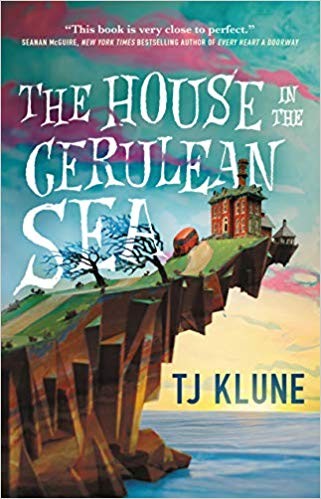
The House in the Cerulean Sea
by TJ Klune · 2020
A lonely caseworker for magical children is sent to investigate an orphanage housing six dangerous, misunderstood kids -- including the actual Antichrist -- and finds a home he didn't know he was missing.
Worth reading? The House in the Cerulean Sea is a comfort-read fantasy in the truest sense -- the stakes are almost entirely emotional, not physical, and the book's real subject is a rigid bureaucrat learning to let himself be loved by a found family of magical outcasts. The children are genuinely well-drawn, each with a distinct voice, and the slow-burn romance between Linus and Arthur lands because Klune takes his time with it. Readers wanting plot tension or higher stakes will find this thin; readers wanting warmth will find exactly what they came for.
| Author | TJ Klune |
|---|---|
| Published | 2020 |
| Publisher | Tor Books |
| Category | Fiction |
The Verdict
Klune’s real trick here is making low stakes feel worth caring about. There’s no big villain or external threat driving the plot – the tension is entirely Linus’s internal shift from rule-following bureaucrat to someone willing to be loved, and the book earns that shift by actually spending time with each child instead of rushing past them.
The slow-burn romance benefits from the same patience. It would feel rushed in a faster book; here it has room to develop believably.
Read it if you want a cozy, character-driven fantasy about found family and quiet acceptance, without much external plot tension. Skip it if you’re looking for adventure-driven stakes – this book isn’t built for that kind of pacing.
you want a warm, cozy fantasy about found family and quiet acceptance, with a slow-burn romance and low physical stakes -- more comfort read than adventure
you want a fast-paced plot with real external conflict -- this book is almost entirely character-driven and low-tension, which is the point, but it will frustrate readers looking for a traditional fantasy plot
Book Summary
Linus Baker, a rule-bound caseworker for the Department in Charge of Magical Youth, is sent on a classified assignment to investigate Marsyas Island Orphanage, home to six unusual and potentially dangerous magical children, overseen by the enigmatic Arthur Parnassus.
Over the course of his investigation, Linus's rigid, by-the-book worldview -- shaped by a bureaucracy that treats magical children as threats to be managed rather than people to understand -- is gradually dismantled as he gets to know each child individually and sees them as more than case files.
The book's central emotional arc is Linus learning to choose the found family and sense of belonging he discovers on the island over the safe, lonely, rule-following life he'd built for himself, culminating in a decision about where -- and with whom -- he wants to live.
Klune frames the story as an allegory for acceptance and found family, particularly resonant for LGBTQ+ readers given Klune's own background and the eventual romance between Linus and Arthur, without the book ever being didactic about the metaphor.
Top 9 Lessons from The House in the Cerulean Sea
- Bureaucratic systems that classify people by risk and rule-compliance, rather than getting to know them individually, can miss what actually matters about a person -- a theme the book applies directly to how the Department treats magical children as case files rather than kids.
- Found family -- chosen relationships built on acceptance rather than blood or obligation -- can provide belonging that a person's original circumstances never offered them.
- Rigid rule-following, embodied by Linus at the book's start, can function as a form of self-protection that also keeps a person lonely and closed off from genuine connection.
- Getting close enough to someone to actually know their specific story tends to dismantle the fear and prejudice that come from only knowing a category or label.
- The book treats slow, patient trust-building, both between Linus and the children and between Linus and Arthur, as more valuable than any single dramatic turning point.
- Choosing where and with whom to belong is framed as an active, sometimes difficult decision, not something that simply happens to a person.
- Zoe Chapelwhite, the island's guardian sprite, represents another layer of found-family protection outside the human bureaucracy, reinforcing the theme that care can come from unexpected corners.
- The book builds tension through gentle humor and warmth rather than external conflict, betting that readers will invest in low-stakes emotional beats as much as plot danger.
- Lucy, the child who is literally the Antichrist, is written with as much ordinary childhood specificity as the other kids, undercutting any expectation that he's secretly sinister.
Frequently Asked Questions
Is The House in the Cerulean Sea worth reading?
Yes, if you want a warm, character-driven comfort read about found family and acceptance -- it's less about plot tension and more about emotional growth.
What is The House in the Cerulean Sea about?
A rule-bound caseworker for magical children is sent to investigate an orphanage of unusual kids, including the Antichrist, and slowly finds the belonging his own lonely, by-the-book life never gave him.
Is The House in the Cerulean Sea a romance?
There's a slow-burn romance between the protagonist and the orphanage's headmaster, but it's one thread in a broader found-family and self-acceptance story, not the book's sole focus.
Is The House in the Cerulean Sea appropriate for younger readers?
It's marketed to adults but is gentle in content and widely read by teens as well -- there's little violence or explicit content.
Ready to read it?
Get The House in the Cerulean Sea on Amazon