The Lincoln Highway
by Amor Towles · 2021
A teenager released from juvenile detention plans a quiet drive west with his little brother to start over -- until two escaped friends from the facility hijack the trip east toward New York instead.
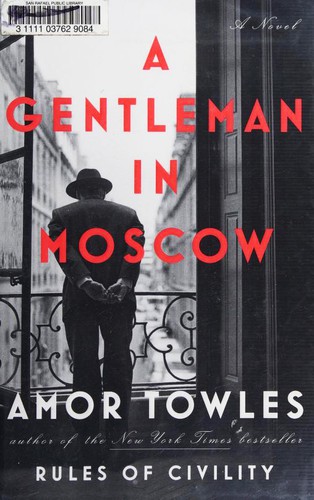
Worth reading? The Lincoln Highway is Towles doing what he does, elegant, patient, structurally ambitious fiction, in a road-trip frame instead of the single-location confinement of A Gentleman in Moscow. The ten-day timeframe and shifting narrators (including one, Duchess, whose charm curdles into something more dangerous as the book goes on) make it his most structurally complex book, even if it's not his tightest.
| Author | Amor Towles |
|---|---|
| Published | 2021 |
| Publisher | Viking |
| Category | Fiction |
The Verdict
Towles’s real skill is architecture, and this book shows it off: ten days, half a dozen narrators, each chapter adding a layer to characters you thought you already understood. Duchess in particular is a masterclass in slow-building unreliability, charming enough that you want to trust him long after you shouldn’t.
The tradeoff is pace. This isn’t a book you race through. The digressions are the point, not padding, but if you’re reading for plot momentum alone, the ten-day timeframe will feel longer than it is.
Read it if you want elegant, structurally ambitious fiction that rewards patience and rereading. Skip it if you want propulsive plotting over character texture.
you want a meticulously constructed road-trip novel with multiple narrators, 1950s Americana texture, and Towles's patient, classical prose style rewarding readers who like structure as much as story
you want a fast, plot-driven page-turner -- this unfolds over ten days with long digressions and a large ensemble cast, and it rewards patience more than urgency
Book Summary
Emmett Watson, eighteen and just released from a juvenile work farm after his father's death, plans to drive his younger brother Billy from Nebraska to California on the newly built Lincoln Highway for a fresh start. Two fellow inmates who stowed away in the warden's car, Duchess and Woolly, upend the plan and redirect the group toward New York instead, chasing an inheritance Woolly is owed.
Towles structures the novel across ten days and multiple narrators, Emmett, Billy, Duchess, and others, each getting close third- or first-person chapters that build a fuller picture of the characters' pasts and motivations than any single narrator could provide, in the same architectural style that made A Gentleman in Moscow work.
The novel is as interested in 1950s American mythology, the open road, self-reinvention, the promise of the West, as it is in its characters, and it uses Billy's obsession with a book of hero myths to frame the journey as its own kind of American epic, one that doesn't end up where anyone expected.
Top 9 Lessons from The Lincoln Highway
- The novel structures its narrative around multiple first- and third-person narrators across a fixed ten-day timeframe, a formal choice that builds character depth more than plot speed.
- Duchess functions as the book's most charismatic and most dangerous character, and Towles lets his charm curdle gradually rather than revealing his unreliability all at once.
- The road-trip's actual direction (east to New York, not west to California as originally planned) subverts the classic American westward-expansion narrative the title and 1950s setting evoke.
- Billy's book of hero myths gives the novel a formal framing device, positioning the brothers' journey against classical epic structure without being heavy-handed about the parallel.
- The novel treats juvenile incarceration and its aftermath with real weight, showing how differently each character's time at the work farm shaped who they became.
- Towles is more interested in digression and character texture (secondary characters, extended backstories) than propulsive plotting, which is consistent with his style across his novels.
- Emmett's own plan, a quiet, self-directed drive west to California, gets hijacked almost immediately by Duchess and Woolly, and the novel is partly about how little control anyone has over the story they think they're the protagonist of.
- Woolly's contested inheritance is the concrete financial engine that redirects the whole plot east, even as the book explores much bigger themes of reinvention and self-determination.
- Towles applies the same architectural rigor here that made A Gentleman in Moscow work, just swapping a single hotel for the open road -- the discipline is the same, the canvas is just wider.
Frequently Asked Questions
Is The Lincoln Highway worth reading?
Yes, if you enjoy patient, structurally ambitious literary fiction -- it's Towles's most formally complex novel, though slower-paced than his other books.
What is The Lincoln Highway about?
A teenager just out of juvenile detention plans to drive his younger brother west for a fresh start, but two escaped fellow inmates redirect the trip toward New York instead.
Is The Lincoln Highway as good as A Gentleman in Moscow?
Opinions differ -- it's more structurally ambitious with multiple narrators, but some readers find it less tightly paced than the single-location focus of A Gentleman in Moscow.
How long does The Lincoln Highway take place over?
Ten days, though the multiple narrators' backstories extend the novel's actual timespan well beyond that window.
Is The Lincoln Highway a fast read?
No -- at nearly 600 pages with multiple narrators and long digressions, it rewards patience over speed.
Ready to read it?
Get The Lincoln Highway on Amazon