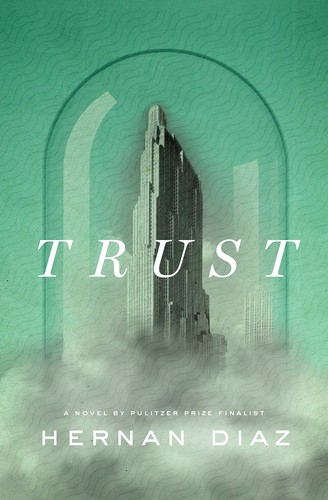
Trust
by Hernan Diaz · 2022
Four versions of the same Wall Street fortune, each one rewriting the last.
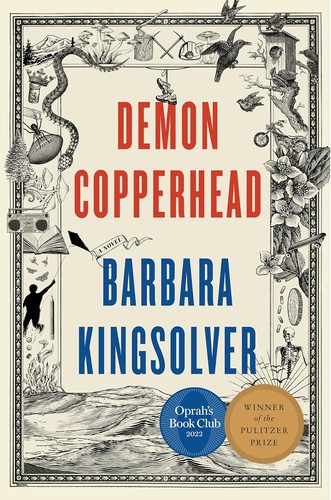
Worth reading? Trust won the Pulitzer for a reason most Pulitzer winners don't earn: the structure is the argument. Diaz tells the story of a 1920s finance tycoon and his wife four times, in four different genres -- a novel, an unfinished memoir, a ghostwriter's account, a diary -- and each version quietly discredits the one before it. It's about who gets to write history when you control the money. Demon Copperhead shared the prize that year and is the better pick if you want voice and momentum; Trust is the better pick if you want to think about how fortunes get their myths written.
| Author | Hernan Diaz |
|---|---|
| Published | 2022 |
| Category | Fiction |
The Verdict
Diaz doesn’t tell you one story about a finance tycoon and his wife – he tells you four, in four different formats, and lets each one quietly undercut the last. The pleasure here isn’t plot, it’s watching the ground shift under a story you thought you already understood.
Read it if you like a novel that makes you re-litigate what you just read. Skip it if you want momentum and a single trustworthy narrator – Trust withholds both on purpose.
readers who like a novel that makes them work -- puzzle-box structure, unreliable narrators, and a slow-burn payoff
you want a straight, linear story -- this one deliberately makes you re-read your own assumptions
Book Summary
Money buys narrative control. The novel's real subject isn't wealth, it's who gets to author the official story of that wealth -- and how thoroughly a rich man can overwrite the people who actually built or suffered for his fortune.
Genre itself becomes a device. Each of the four sections mimics a different kind of document (pulpy novel, dry autobiography, journalistic memoir, private diary), and the shift in voice and reliability across them is where the book does its real work -- you're not just reading a plot, you're reading how a story gets constructed and revised.
Silence is data. The wife at the center of the book is described, narrated, and explained by men for most of the novel before you get anything closer to her own account -- and the gap between those versions is the point.
Top 7 Lessons from Trust
- Uses four nested documents instead of one narrator to show how the same facts get reshaped by who's telling them.
- Treats financial power as narrative power -- the richest character can simply pay to have his version become the official one.
- Withholds a woman's own voice for most of the book on purpose, then lets the absence do the accusing.
- Each section's prose style changes to match its fake genre, which is a harder trick to pull off than it looks.
- Rewards a second read more than most novels -- details in part one land differently once you've read parts two through four.
- Uses 1920s Wall Street as the setting without turning into a finance-history lecture.
- Never resolves the central discrepancy with a clean twist reveal -- it trusts the reader to sit with the ambiguity.
Frequently Asked Questions
Is Trust by Hernan Diaz worth reading?
Yes, if you like structural, puzzle-box novels. It's slower and more cerebral than most Pulitzer fiction -- worth it for the four-part structure, not for plot momentum.
Is Trust a true story?
No. It's fiction set in 1920s New York, though it's written to feel like real archival documents -- that's part of the trick.
What is the twist in Trust?
Without spoiling it: the four sections don't just add detail, they contradict each other, and figuring out which version to trust is the point of the book.
Trust vs Demon Copperhead -- which should I read first?
Demon Copperhead if you want voice, humor, and a fast, emotional read. Trust if you want structure and a book that rewards re-reading.
Ready to read it?
Get Trust on Amazon