Lindy List: 6 Sales & Negotiation Books That Still Close

Updated July 10, 2026 · 6 books

Lindy List: 6 Sales & Negotiation Books That Still Close: ranked list of 6 books

Sales advice rots faster than almost any other business writing, last decade’s closing technique is this decade’s cringe. These four are the ones that kept working long after their original market disappeared.

The Lindy logic: a persuasion method still taught and used after 40 to 90 years isn’t a fad, it’s human nature. Carnegie wrote for traveling salesmen in the Depression; his rules still run every relationship-management course. Fisher and Ury built Getting to Yes for international crises; it now runs every corporate deal desk. Cialdini named levers of influence that predate all of us.

Start with How to Win Friends for the human layer, then Getting to Yes for the framework. If you sell for a living, add Influence and skip everything published after 1990 until you’ve worn these out.

The genre warning: the oldest sales books drift into manipulation. The durable ones, Getting to Yes, How to Win Friends done with sincerity, win by aligning interests, not by tricking the other side. Read for the former; the latter won’t build a career.

Quick Comparison

#BookBest for
1How to Win Friends and Influence PeopleDale Carnegieanyone whose work or life involves other people, so, everyoneAmazon
2Getting to YesRoger Fisheranyone who negotiates, which is everyone, dailyAmazon
3InfluenceRobert B. Cialdinimarketers, salespeople, and anyone who wants to spot manipulation before it worksAmazon
4The Greatest Salesman in the WorldOg Mandinoreaders who respond to parable and ritual over textbooksAmazon
5How I Raised Myself from Failure to Success in SellingFrank BettgerRead it if you sell anything, including your own ideas, and want timeless, unglamorous technique rather than a 2020s growth hack.Amazon
6The Richest Man in BabylonGeorge S. Clasonbeginners who learn better from stories than spreadsheetsAmazon

The Books

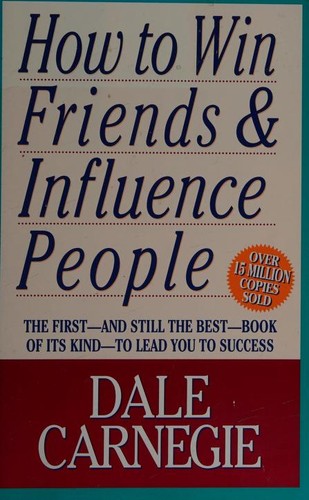
How to Win Friends and Influence People by Dale Carnegie book cover

1. How to Win Friends and Influence People

Dale Carnegie · 1936

Ninety years old, still the best manual on getting along with humans ever written.

Become genuinely interested in people. Remember names. Admit mistakes fast. Let others save face. Every principle sounds obvious, and almost nobody does them consistently. The 1930s anecdotes are the charm, not the flaw. Careers built on this book keep it selling a century later.

Read it if: anyone whose work or life involves other people, so, everyone

Skip it if: you read the principles as manipulation (used cynically, they backfire, and Carnegie says so)
Full verdict: How to Win Friends and Influence People →

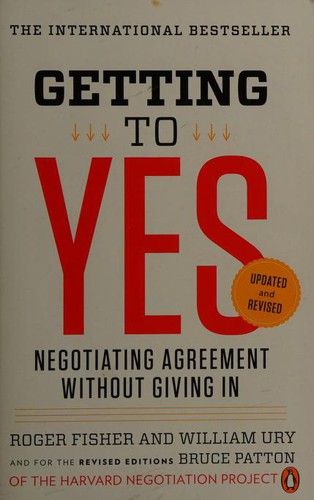
Getting to Yes by Roger Fisher book cover

2. Getting to Yes

Roger Fisher · 1981

The Harvard Negotiation Project's method for principled deals everyone can live with.

Getting to Yes is the canon of principled negotiation: separate people from the problem, focus on interests not positions, invent options, use objective criteria. Forty years on, still the best starter negotiation book. Skip it only if you teach the subject.

Read it if: anyone who negotiates, which is everyone, daily

Skip it if: you already separate people from problem and trade on interests

Full verdict: Getting to Yes →

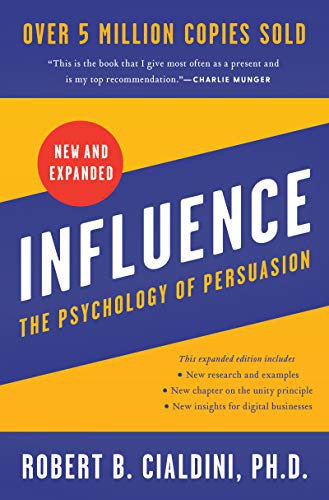
Influence by Robert B. Cialdini book cover

3. Influence

Robert B. Cialdini · 1984

The seven levers of persuasion, from the researcher who went undercover to find them.

Cialdini trained inside sales organizations and cults to document how compliance actually happens: reciprocity, commitment, social proof, authority, liking, scarcity, and (new in the expanded edition) unity. Forty years later it doubles as a defense manual, since every funnel and pricing page you see runs on these levers.

Read it if: marketers, salespeople, and anyone who wants to spot manipulation before it works

Skip it if: you've read any modern marketing book (they all borrowed this one's skeleton)

Full verdict: Influence →

The Greatest Salesman in the World by Og Mandino book cover

4. The Greatest Salesman in the World

Og Mandino · 1968

Mandino's fable of ten ancient scrolls that rebuild a broken man into a success.

The Greatest Salesman is a slim parable: ten scrolls of habit and persistence, read daily. Sentimental but surprisingly sticky for habit-building. Skip it if you want pure tactics.

Read it if: readers who respond to parable and ritual over textbooks

Skip it if: you prefer evidence-based methods over allegory

Full verdict: The Greatest Salesman in the World →

How I Raised Myself from Failure to Success in Selling by Frank Bettger book cover

5. How I Raised Myself from Failure to Success in Selling

Frank Bettger · 1947

A failed insurance salesman's plain diary of the exact habits that took him from dead-broke to a top earner, written in 1947 and still taught.

Bettger’s 1947 memoir, a failed salesman’s diary of the exact habits that made him a top earner, is still used to train reps. The human mechanics of trust haven’t changed since the 1930s.

Read it if: Read it if you sell anything, including your own ideas, and want timeless, unglamorous technique rather than a 2020s growth hack.

Skip it if: Skip it if you want a modern, data-driven sales system. This is a man's notebook from the 1930s, and proud of it.

Full verdict: How I Raised Myself from Failure to Success in Selling →

The Richest Man in Babylon by George S. Clason book cover

6. The Richest Man in Babylon

George S. Clason · 1926

Pay yourself first. A century of personal finance advice traces back to this little book of parables.

Every rule in modern personal finance appears here first: save a tenth of what you earn, avoid debt, make your gold work for you, don’t chase schemes. The Babylonian parable format is a gimmick, but it’s the reason people remember the lessons 100 years later. Two hours to read, a lifetime to apply.

Read it if: beginners who learn better from stories than spreadsheets

Skip it if: the faux-ancient "thee and thou" prose annoys you (it wears on some readers fast)

Full verdict: The Richest Man in Babylon →

Frequently Asked Questions

What is the best negotiation book to start with?

Getting to Yes (1981). The 'separate people from the problem' and 'focus on interests, not positions' framework is the default training in every Fortune 500 today. The book is under 50 years old, but principled negotiation, finding mutual interest instead of hammering positions, is timeless human behavior, which is why it earns a Lindy spot.

Is How to Win Friends and Influence People too old to matter?

It's from 1936 and it's still the bestselling book on the subject, because human social wiring hasn't changed. The anecdotes are dated; the advice, remember names, admit fault fast, show genuine interest, is permanent. Ninety years of sales is not a fluke.

Why is Influence on a 'stood the test of time' list at under 50 years?

Because the six principles Cialdini named, reciprocity, authority, scarcity, social proof, liking, commitment, are not modern inventions. They're how humans have persuaded each other for as long as there have been humans. The book systematized them in 1984; the behavior is ancient, so the idea clears the Lindy bar.

Why did you cut Spin Selling, The Go-Giver, and Never Split the Difference?

Not because they're useless, but because they're too young and too specific. Spin Selling is a 1980s B2B method, Never Split the Difference is a 2016 FBI adaptation, The Go-Giver is a 2008 parable. All useful, none with 50 years behind it yet. This list keeps only the books with real age or an ancient idea.

What is the oldest sales fable here?

The Greatest Salesman in the World (1968) is the oldest by framing, a parable built on one durable lesson: repeat the discipline daily. It's been in print for over 50 years, which is why it sits alongside Carnegie as a sales standard.

Keep Reading