Robert Greene Books in Order: 3 Ranked by Use Case

Updated July 16, 2026 · 3 books

Robert Greene Books in Order: 3 Ranked by Use Case: ranked list of 3 books

Greene’s method is the same across all three books: mine centuries of historical figures for a repeatable pattern, then organize the pattern into a system. What changes is which pattern he’s after, and that’s what should decide your reading order, not the year each book came out.

Mastery is the one to start with if your actual goal is getting better at something - it studies how figures from Darwin to Mozart to modern-day experts spent years in deliberate, often unglamorous practice before their skill looked effortless. It’s the most immediately applicable of the three if you’re early or mid-career in anything you’re trying to get good at. The Laws of Human Nature is the one to reach for if your problem isn’t your own skill but other people - it catalogs recurring irrational behaviors (envy, self-sabotage, grandiosity) using historical and psychological case studies, and it’s useful for reading situations and relationships more clearly.

The 48 Laws of Power is Greene’s most famous book by far, and also his most contested. It’s an explicit, unapologetic playbook for acquiring and holding power, built from historical examples of manipulation, deception, and strategic ruthlessness. As a study of how power actually gets used, it’s sharp and influential. As a guide to how to treat people, it offers nothing - the laws don’t pretend to be ethical, and several are openly about using people as instruments.

Be honest about that going in. If the idea of a book teaching you to manipulate situations and people to your advantage makes you uncomfortable, skip it - that discomfort is a legitimate reason, not a sign you’re missing the point. Mastery and The Laws of Human Nature give you most of what makes Greene worth reading (the historical pattern-mining, the sharp behavioral observations) without asking you to sit with material built around amorality as a feature.

Quick Comparison

#BookBest for
1MasteryRobert Greeneanyone chasing deep, lifelong mastery of a craftAmazon
2The 48 Laws of PowerRobert Greeneanyone who wants to recognize power plays in the workplace and protect themselvesAmazon
3The Laws of Human NatureRobert Greeneanyone weighing whether The Laws of Human Nature belongs on their self-improvement and psychology shelfAmazon

The Books

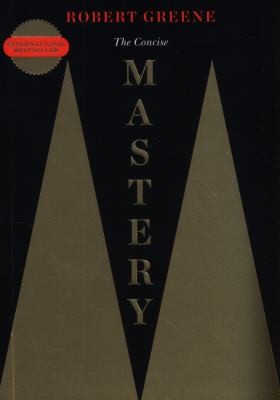
Mastery by Robert Greene book cover

1. Mastery

Robert Greene · 1992

Robert Greene's study of how history's masters achieved supreme skill.

Mastery traces the arc from apprentice to master across figures like da Vinci and Einstein: deep observation, apprenticeship, and creative synthesis. Longer than 48 Laws but substantive. Skip it if you already live the apprentice mindset.

Read it if: anyone chasing deep, lifelong mastery of a craft

Skip it if: you already follow a deliberate, lifelong practice path
Full verdict: Mastery →

The 48 Laws of Power by Robert Greene book cover

2. The 48 Laws of Power

Robert Greene · 1998

A cold, amoral field guide to how power actually moves, seductive and dangerous.

Robert Greene’s 48 Laws is the most quotable, most cynical power manual out there, drawn from history, useful as a defensive decoder of office politics. It’s deliberately amoral, so read it as a warning system, not a code to live by. Skip it if you’d rather not learn how manipulation works.

Read it if: anyone who wants to recognize power plays in the workplace and protect themselves

Skip it if: you're looking for a moral self-help book or leadership inspiration

Full verdict: The 48 Laws of Power →

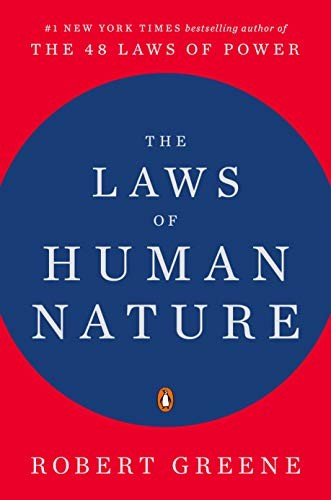
The Laws of Human Nature by Robert Greene book cover

3. The Laws of Human Nature

Robert Greene · 2018

Robert Greene's take on self-improvement, the honest verdict is below.

Greene’s encyclopedia of why people do what they do, dressed in history and Machiavelli. Read it if you want to read motives and protect yourself from manipulation. Skip it if you want a kind, optimistic view of humanity, this book assumes everyone’s running a hidden agenda, including you.

Read it if: anyone weighing whether The Laws of Human Nature belongs on their self-improvement and psychology shelf

Skip it if: you want a different angle than Robert Greene's

Full verdict: The Laws of Human Nature →

Frequently Asked Questions

What order should I read Robert Greene's books in?

Pick by the problem you have, not by publication date. Mastery if you're trying to get genuinely good at a skill over years. The Laws of Human Nature if you want to understand why people around you behave irrationally. The 48 Laws of Power only if you're deliberately looking for a strategic, amoral read on how power actually gets used - and go in knowing that's what you're getting.

What is Robert Greene's most famous book?

The 48 Laws of Power, by a wide margin. It's also his most controversial - openly about acquiring and holding power through manipulation and strategy, with little concern for whether the tactics are ethical.

Is The 48 Laws of Power worth reading?

Depends on what you want from it. As a strategic playbook, it's genuinely influential and widely read for a reason. As moral guidance, it isn't offering any - the laws are explicitly amoral, and some are openly manipulative. If that framing makes you uncomfortable, that's a legitimate reason to skip it, not a failure to "get" the book.

Should I read Mastery or The Laws of Human Nature first?

Mastery if your problem is developing your own skill over the long term. The Laws of Human Nature if your problem is understanding other people's behavior, including the irrational parts. Neither depends on the other, so pick based on what you actually need right now.

Which Robert Greene book should I skip?

The 48 Laws of Power, if its amoral, Machiavellian framing genuinely bothers you. That's not a "not for everyone" hand-wave - some readers find its cold view of human relationships as tools to be used legitimately off-putting, and Mastery and The Laws of Human Nature deliver most of Greene's research method without that discomfort.

Keep Reading