Best Books on Mindfulness and Meditation: 6 Ranked by Entry Point

Updated July 12, 2026 · 6 books

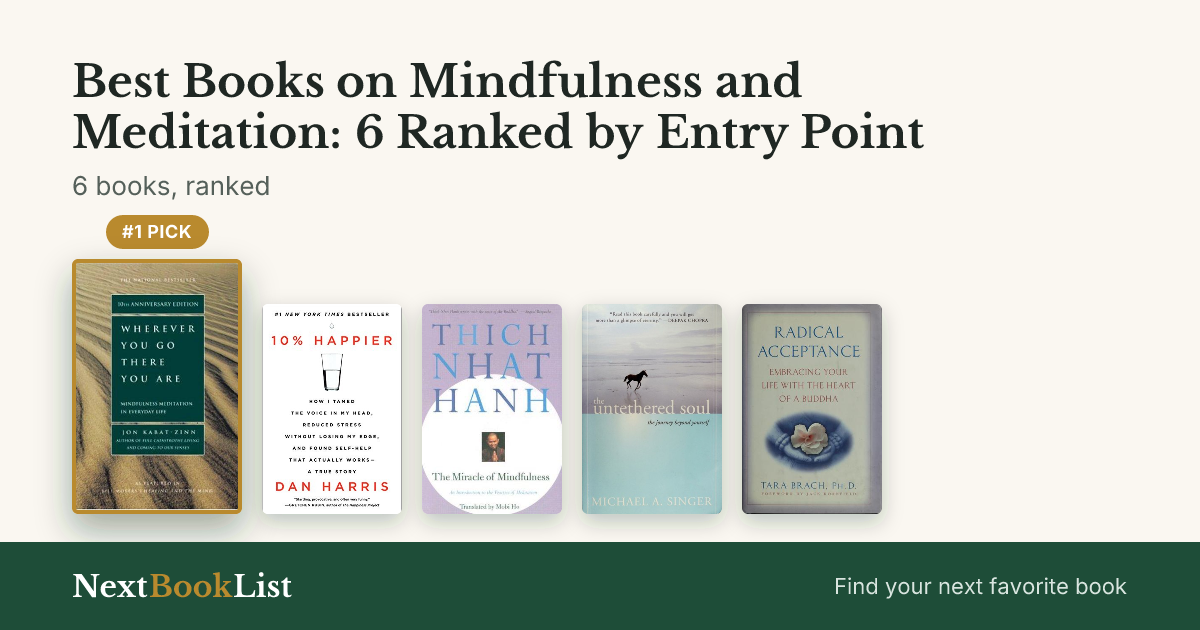
Best Books on Mindfulness and Meditation: 6 Ranked by Entry Point: ranked list of 6 books

The best mindfulness book depends on how skeptical you are walking in. If meditation sounds like new-age nonsense to you, start with 10% Happier – Dan Harris was a hardened news anchor who got dragged into it after an on-air panic attack, and the book is his honest, often reluctant case for it. If you’re already open to the practice, Wherever You Go, There You Are gives you the philosophy straight from Jon Kabat-Zinn, the psychologist who secularized mindfulness for medical use.

Want the shortest possible read: The Miracle of Mindfulness, written by Thich Nhat Hanh as a letter during wartime, is under 150 pages and still one of the most quoted books in the genre. Dealing with a difficult inner voice or self-judgment: The Untethered Soul and Radical Acceptance both work that specific angle. Sitting with real grief or hardship: When Things Fall Apart doesn’t offer easy comfort, and that’s exactly why it holds up.

One warning: mindfulness books describe a practice, they aren’t the practice itself. Reading five books about meditation and never sitting for five minutes is its own form of productive avoidance.

Quick Comparison

#BookBest for
1Wherever You Go, There You AreJon Kabat-Zinnyou want a secular, practical entry point into mindfulness that doesn't require adopting Buddhism or a formal practiceAmazon
210% HappierDan Harrisyou think meditation is for hippies but you're burned out enough to try anythingAmazon
3The Miracle of MindfulnessThich Nhat Hanhyou want the shortest, warmest possible introduction to mindfulness, rooted in Buddhist teaching rather than clinical psychologyAmazon
4The Untethered SoulMichael A. Singeryour mind won't shut up and you want a way to stop being run by itAmazon
5Radical AcceptanceTara Brachyou're stuck in self-judgment and want a structured way to work with it, not just told to 'love yourself'Amazon
6When Things Fall ApartPema Chödrönyou're going through a breakup, loss, or a period where nothing is working and the usual advice feels hollowAmazon

The Books

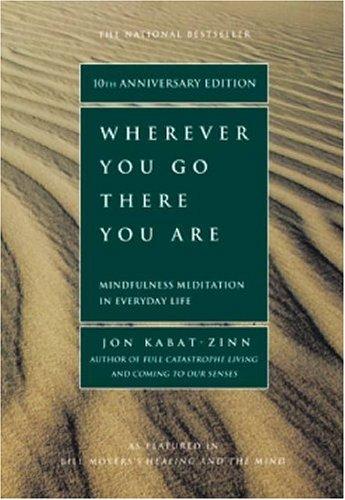
Wherever You Go, There You Are by Jon Kabat-Zinn book cover

1. Wherever You Go, There You Are

Jon Kabat-Zinn · 1994

The book that brought clinical mindfulness out of the meditation hall and into ordinary life, no cushion or retreat required.

Kabat-Zinn’s real achievement was making mindfulness legible to doctors, hospitals, and skeptics who’d never touch a Buddhist text – the Mindfulness-Based Stress Reduction program built on this book’s ideas is still used in clinical settings thirty years later. Read it in short bursts; it’s built for dipping in and out, not one long sitting.

Read it if: you want a secular, practical entry point into mindfulness that doesn't require adopting Buddhism or a formal practice

Skip it if: you want a structured 8-week program with exercises, this is more reflective essay collection than workbook; Full Catastrophe Living is Kabat-Zinn's more structured clinical companion
Full verdict: Wherever You Go, There You Are →

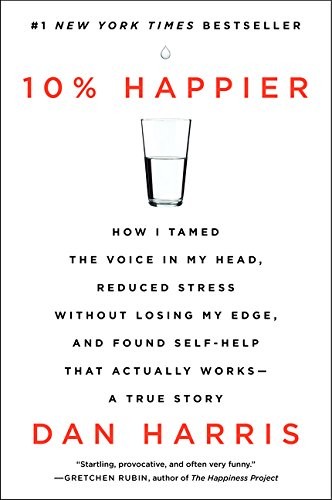
10% Happier by Dan Harris book cover

2. 10% Happier

Dan Harris · 2014

A skeptical newsman's reluctant, self-mocking case for meditation.

Harris isn’t selling enlightenment, and that restraint is exactly why the pitch works on people who’d normally tune out a meditation book. The panic attack that started it all is the hook, but the argument that holds up is the modest one: you don’t need to become someone else, you just need 10% less noise.

Read it if: you think meditation is for hippies but you're burned out enough to try anything

Skip it if: you already meditate daily -- this is a beginner's memoir, not a practice manual

Full verdict: 10% Happier →

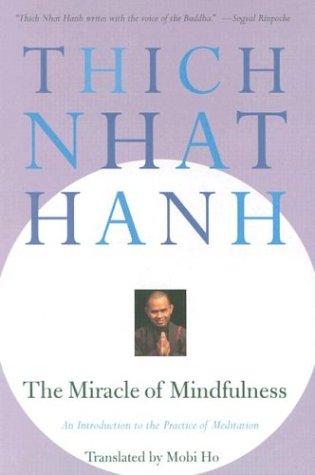
The Miracle of Mindfulness by Thich Nhat Hanh book cover

3. The Miracle of Mindfulness

Thich Nhat Hanh · 1975

A Zen master's letter to a fellow monk, written during wartime Vietnam, that became one of the most translated meditation books ever published.

The wartime origin gives this book a weight most mindfulness guides don’t carry – it wasn’t written as a lifestyle product, it was written to keep exhausted people functioning under real crisis. The “washing dishes to wash dishes” passage alone has been quoted in more mindfulness books than almost any other single line in the genre.

Read it if: you want the shortest, warmest possible introduction to mindfulness, rooted in Buddhist teaching rather than clinical psychology

Skip it if: you want a secular, science-first framing, this leans into Buddhist philosophy and imagery directly, unlike Kabat-Zinn's clinically-adapted approach

Full verdict: The Miracle of Mindfulness →

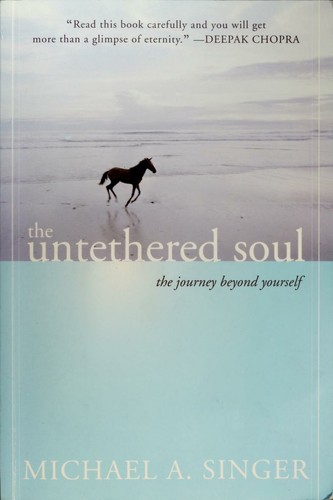
The Untethered Soul by Michael A. Singer book cover

4. The Untethered Soul

Michael A. Singer · 2007

The book that teaches you you're not your thoughts -- you're the one listening to them.

Michael Singer spends the whole book on one idea: you’re not the voice in your head, you’re the one listening to it. That single shift, once it clicks, changes how you handle everything from traffic to heartbreak. It’s less a self-help book than a long, patient argument for letting go.

Read it if: your mind won't shut up and you want a way to stop being run by it

Skip it if: you want practical daily habits, not a meditation on consciousness itself

Full verdict: The Untethered Soul →

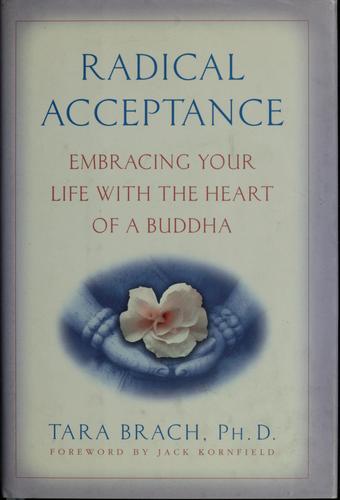
Radical Acceptance by Tara Brach book cover

5. Radical Acceptance

Tara Brach · 2003

Tara Brach's answer to the voice in your head that says you're not enough: stop fighting it, and look at it clearly instead.

Tara Brach built Radical Acceptance out of her own history with self-hatred and years of teaching Buddhist psychology, and it shows: this isn’t detached theory, it’s a practice she says pulled her out of the same trap it’s meant to address. If you’ve tried “just love yourself” advice and found it hollow, RAIN gives you something to actually do with the feeling instead.

Read it if: you're stuck in self-judgment and want a structured way to work with it, not just told to 'love yourself'

Skip it if: you want a purely secular, non-Buddhist approach to self-compassion -- try Kristin Neff's Self-Compassion instead

Full verdict: Radical Acceptance →

When Things Fall Apart by Pema Chödrön book cover

6. When Things Fall Apart

Pema Chödrön · 1997

Pema Chödrön's case for leaning into the parts of life you'd rather run from.

Pema Chödrön wrote this while going through her own version of things falling apart, and it reads that way – not as advice handed down from someone who’s already fine, but as heart advice from someone who’s actually been in the wreckage. If your usual coping tools have stopped working, this is one of the more honest books to reach for next.

Read it if: you're going through a breakup, loss, or a period where nothing is working and the usual advice feels hollow

Skip it if: you want tactical steps, not a shift in how you relate to pain -- this book won't give you a five-step plan

Full verdict: When Things Fall Apart →

Frequently Asked Questions

What is the best book on mindfulness for beginners?

10% Happier, if you're skeptical of meditation and want a journalist's honest, often reluctant journey into it first. Wherever You Go, There You Are, if you're already open to the practice and want the philosophy directly from the clinician who secularized it.

What is the shortest mindfulness book to start with?

The Miracle of Mindfulness, by Thich Nhat Hanh. It's short enough to finish in a sitting or two and was originally written as a letter, so it reads with unusual warmth and directness.

Is mindfulness the same as meditation?

Related but not identical. Meditation is a formal practice (usually seated); mindfulness is the broader skill of present-moment, non-judgmental attention that can be applied to any activity, meditation included.

What book helps with difficult emotions specifically, not just general stress?

When Things Fall Apart by Pema Chödrön, for sitting with genuine hardship and grief. Radical Acceptance by Tara Brach, for the specific pattern of self-judgment and shame that often accompanies difficult emotions.

Keep Reading