Best Books on Self-Discipline: 9 Ranked by Intensity

Updated July 12, 2026 · 6 books

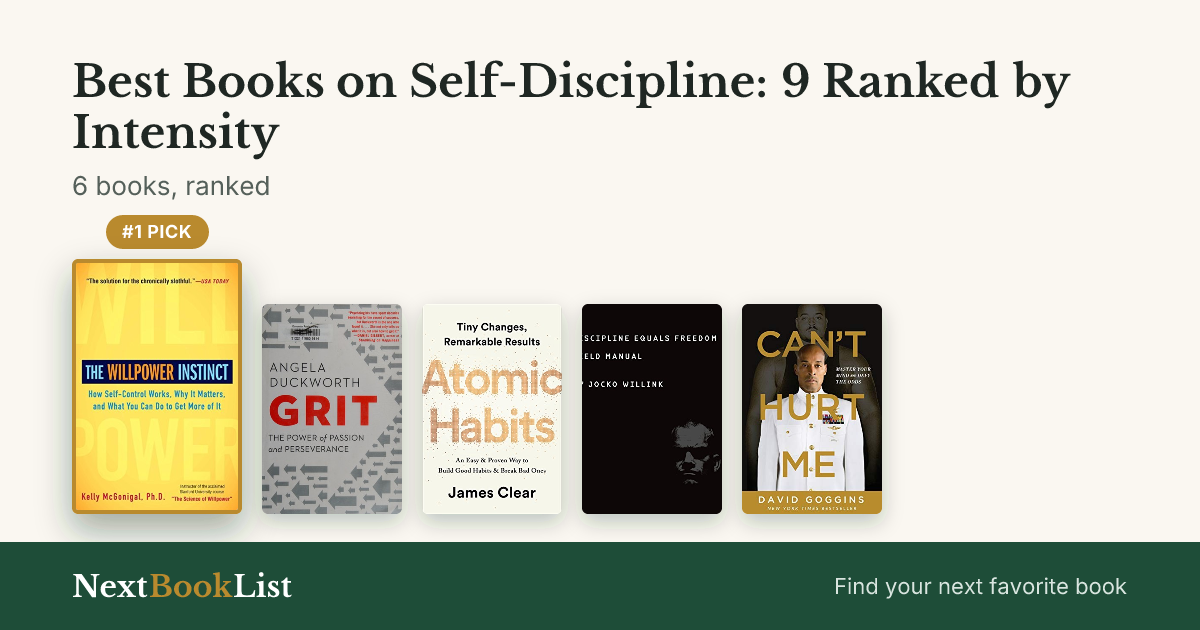
Best Books on Self-Discipline: 9 Ranked by Intensity: ranked list of 6 books

The best self-discipline book depends on whether you want the science or the intensity. The Willpower Instinct is where to start – it’s research-backed, corrects the common myth that willpower is fixed rather than trainable, and doesn’t require you to buy into anyone’s extreme personal philosophy to get value from it.

Want the research on long-term persistence specifically: Grit covers passion and perseverance across careers, not just daily habits. Want systems that reduce how much raw willpower you need in the first place: Atomic Habits is the practical companion. Want the intensity dial turned all the way up: Can’t Hurt Me and Discipline Equals Freedom both come from ex-military backgrounds and don’t soften the message – read Can’t Hurt Me for the full memoir, Discipline Equals Freedom for the shorter field-manual version. Eat That Frog closes the list because discipline, in practice, usually just means doing the hardest task first.

One warning: intensity isn’t the same as effectiveness. Goggins-style extreme discipline works for some people and burns others out; match the book to your actual temperament, not to what looks impressive on a shelf.

Quick Comparison

#BookBest for
1The Willpower InstinctKelly McGonigalyou keep 'failing' at self-control and want to understand the mechanism, not just try harderAmazon
2GritAngela Duckworthparents, coaches, and anyone who wants the real driver of long-term achievementAmazon
3Atomic HabitsJames Clearanyone who wants a practical system for building habits, not just motivationAmazon
4Discipline Equals FreedomJocko Willinkyou want short, direct, no-narrative discipline prompts you can flip to and act on immediately, not a memoir to read start to finishAmazon
5Can't Hurt MeDavid Gogginsanyone who needs proof that the mind is the limiter, not the bodyAmazon
6Eat That Frog!Brian Tracyyou want a short, no-nonsense procrastination fix without committing to a full system like GTDAmazon

The Books

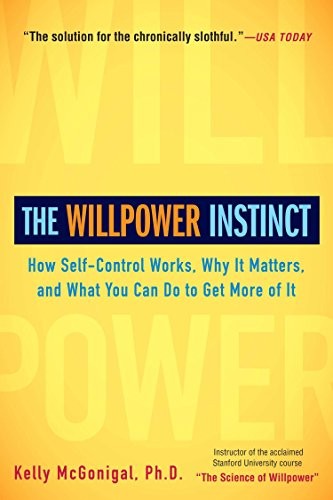
The Willpower Instinct by Kelly McGonigal book cover

1. The Willpower Instinct

Kelly McGonigal · 2011

Willpower is a finite, trainable resource, not a personality trait -- this is the training manual.

McGonigal built this out of an actual Stanford class, and it shows in the structure – one mechanism, one experiment, one week at a time. It’s slower than most habit books, but you walk away actually understanding why “just try harder” was never going to work at 11pm after a bad day.

Read it if: you keep 'failing' at self-control and want to understand the mechanism, not just try harder

Skip it if: you want quick habit hacks -- this reads like a semester of psychology lectures, because it started as one
Full verdict: The Willpower Instinct →

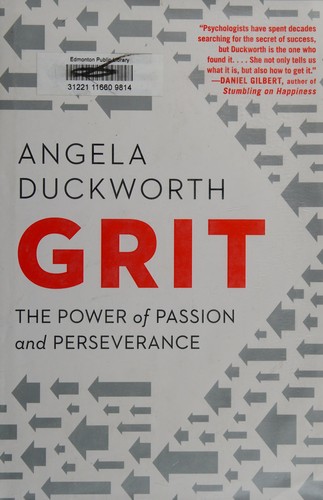
Grit by Angela Duckworth book cover

2. Grit

Angela Duckworth · 2016

Talent gets you in the door. Grit, passion plus perseverance, is what wins.

Duckworth is a scientist, so the book is studded with studies. West Point cadets, National Spelling Bee kids, sales teams, that all point the same way: the people who last outlast the people who are merely gifted. The practical gem is the ‘hard thing rule’ you can impose at home tonight. The caveat is hers too: grit on the wrong goal is just stubbornness.

Read it if: parents, coaches, and anyone who wants the real driver of long-term achievement

Skip it if: you already believe effort beats talent and want the next idea, not the evidence

Full verdict: Grit →

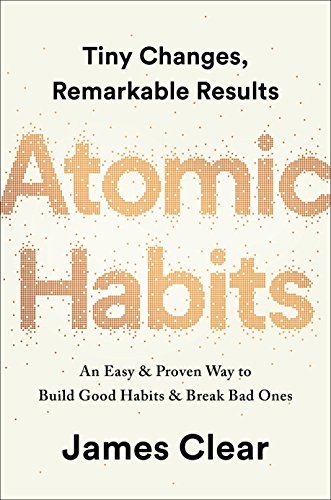
Atomic Habits by James Clear book cover

3. Atomic Habits

James Clear · 2018

The habit book that made every other habit book optional.

Clear took decades of behavior research and compressed it into one usable system: make it obvious, attractive, easy, and satisfying. The 1% better framing sounds like a slogan until you use it for a month and notice it working. Most habit books restate this one with worse examples. Start here.

Read it if: anyone who wants a practical system for building habits, not just motivation

Skip it if: you've already read it and implemented the four laws (rereading won't add much)

Full verdict: Atomic Habits →

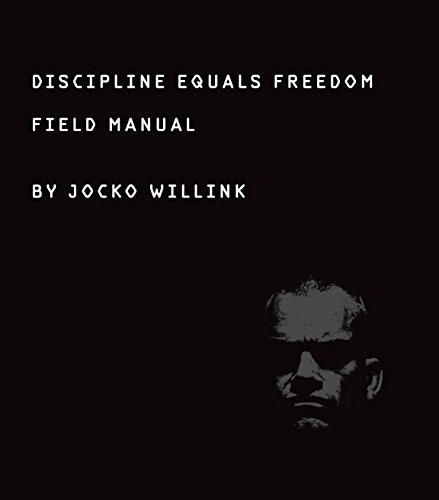
Discipline Equals Freedom by Jocko Willink book cover

4. Discipline Equals Freedom

Jocko Willink · 2017

A retired Navy SEAL commander's field manual for building discipline, short, blunt directives instead of a narrative, built to be read in a spare five minutes.

Willink’s format choice is deliberate – this isn’t meant to be read once and shelved, it’s meant to sit on a nightstand and get reopened at 4:45am when motivation is nowhere to be found. The “discipline equals freedom” reframe is simple enough to become a genuine mantra, which is exactly the point.

Read it if: you want short, direct, no-narrative discipline prompts you can flip to and act on immediately, not a memoir to read start to finish

Skip it if: you want the full backstory and context. Extreme Ownership (Willink's other book) covers his SEAL leadership philosophy with actual narrative; this is closer to a manual than a book

Full verdict: Discipline Equals Freedom →

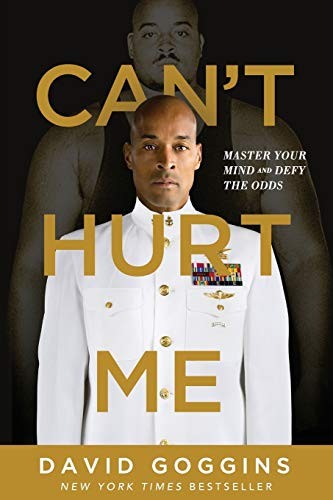
Can't Hurt Me by David Goggins book cover

5. Can't Hurt Me

David Goggins · 2018

The only way out of suffering is through it, and most of what's stopping you is a story you tell yourself.

Goggins is not a balanced guy, and the book doesn’t pretend to be. The value isn’t the pull-up count, it’s the demolition of the excuse that you’re at your limit. Most readers won’t run 100 miles; they’ll just stop quitting at the first hard thing. That’s the useful extract. Keep the lesson, skip the self-flagellation.

Read it if: anyone who needs proof that the mind is the limiter, not the body

Skip it if: you're already over the grindset and want strategy, not a willpower battering ram

Full verdict: Can't Hurt Me →

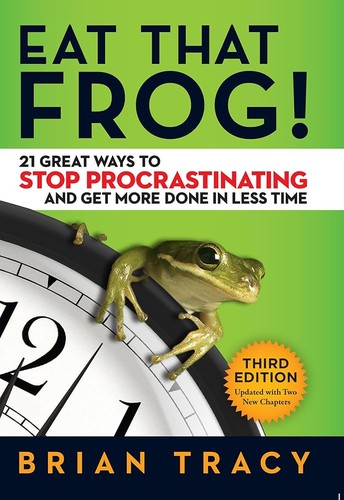
Eat That Frog! by Brian Tracy book cover

6. Eat That Frog!

Brian Tracy · 2001

One idea, stretched into 21 short chapters: do the hardest, most important task first, before anything else can distract you from it.

Tracy doesn’t overcomplicate a simple idea, which is exactly the point – this is the book to hand someone who finds GTD’s full system intimidating and just needs one habit to actually change tomorrow morning. Read the first few chapters for the core idea; the rest is repetition and reinforcement more than new material.

Read it if: you want a short, no-nonsense procrastination fix without committing to a full system like GTD

Skip it if: you already practice 'most important task first' consistently, there isn't much new material once you've got the core idea

Full verdict: Eat That Frog! →

Frequently Asked Questions

What is the best book on self-discipline?

The Willpower Instinct, for most people. It's grounded in Stanford research on how self-control actually works, not motivational rhetoric, and it corrects common myths (like willpower being an unlimited resource) that undermine most people's discipline attempts.

What is the best book on self-discipline for extreme motivation?

Can't Hurt Me by David Goggins, if blunt, intense, no-excuses motivation actually works on you. It's polarizing by design -- effective for some readers, off-putting for others who prefer a gentler approach.

Is Can't Hurt Me or Discipline Equals Freedom better?

Can't Hurt Me is a full memoir with sustained narrative behind the philosophy. Discipline Equals Freedom is a shorter field manual of standalone directives, built to flip open and act on rather than read start to finish.

What book connects self-discipline to daily habits specifically?

Atomic Habits. Self-discipline research shows willpower is a limited, depletable resource, so building systems that don't require constant willpower (Clear's specialty) is often more sustainable than relying on raw discipline alone.

Keep Reading