Best Coming-of-Age Novels: 5 Ranked by What They Get Right

Updated July 15, 2026 · 5 books

Best Coming-of-Age Novels: 5 Ranked by What They Get Right: ranked list of 5 books

The best coming-of-age novel depends on which piece of growing up you’re after, and these five each nail a different one. If you want alienation, the specific misery of feeling like everyone around you is a phony, start with The Catcher in the Rye. Holden Caulfield’s voice is the reason the genre has a template at all.

If you want moral awakening instead of teenage angst, To Kill a Mockingbird is the better book, full stop. Scout Finch grows up by watching her father, Atticus, defend an innocent man in a town that doesn’t want him to win. It’s coming-of-age built on watching an adult do the right thing, not on rebelling against adults.

Huckleberry Finn covers a different kind of growing up: running from home and toward a moral choice, told with more humor than either of the above until Twain turns serious in the back half. Little Women flips the lens to sisterhood, four girls figuring out who they become in relation to each other rather than in isolation — read it if you want family instead of a lone narrator. Of Mice and Men is the outlier and the gut-punch: shortest, bleakest, and built on George and Lennie’s friendship rather than a single character’s arc.

Rank these by what you want to feel, not by “greatness.” A reader chasing alienation and a reader chasing moral weight should walk away from this list having read two completely different books.

Quick Comparison

#BookBest for
1The Catcher in the RyeJ.D. Salingeryou want the book that basically invented the modern voice-driven teenage narrator, phoniness-detector and allAmazon
2To Kill a MockingbirdHarper Leeyou want the single most durable American novel about moral courage and racial injustice, told through a child's eyes so it never lectures youAmazon
3The Adventures of Huckleberry FinnMark Twainyou want the novel Hemingway called the source of all modern American literature -- vernacular voice, moral reckoning, and a river as the engine of bothAmazon
4Little WomenLouisa May Alcottyou want the coming-of-age novel that gave generations of readers (and writers) permission to want a career as much as a marriage, through Jo MarchAmazon
5Of Mice and MenJohn Steinbeckyou want a short, devastating gut-punch of a novel about friendship, dreams, and the Depression-era working poor -- one sitting, permanent impactAmazon

The Books

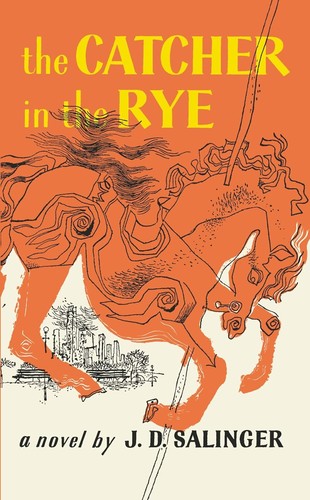
The Catcher in the Rye by J.D. Salinger book cover

1. The Catcher in the Rye

J.D. Salinger · 1951

A sixteen-year-old gets kicked out of prep school and wanders New York for three days, narrating the whole thing in a voice so specific it either becomes your favorite book or genuinely annoys you -- rarely anything in between.

The book lives or dies on whether Holden’s voice works for you, and there’s no way to know in advance – it’s short enough that the honest move is just to read it and find out rather than take someone else’s verdict on faith. Skip Phoebe’s scenes and you’ve missed the actual heart of the book; they’re where Holden’s armor comes off.

Read it if: you want the book that basically invented the modern voice-driven teenage narrator, phoniness-detector and all

Skip it if: Holden Caulfield's cynicism and repetitive complaining wear on you fast -- some readers find him insightful, others find him insufferable, and both reactions are reasonable
Full verdict: The Catcher in the Rye →

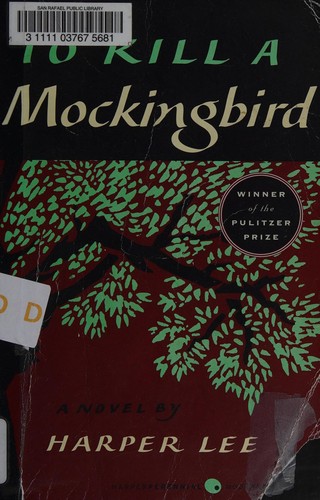
To Kill a Mockingbird by Harper Lee book cover

2. To Kill a Mockingbird

Harper Lee · 1960

A young girl in Depression-era Alabama watches her father defend a Black man falsely accused of rape -- and learns exactly how much decency costs in a town that doesn't want it.

Lee wrote only this one novel for over 50 years (Go Set a Watchman was an earlier draft, published later under murky circumstances), which makes Mockingbird’s staying power even more remarkable – it’s not propped up by a body of work, just this single book doing all the work itself. If you only read one novel about the Jim Crow South, this is still the correct default, six decades in.

Read it if: you want the single most durable American novel about moral courage and racial injustice, told through a child's eyes so it never lectures you

Skip it if: you want fast plot or moral ambiguity -- Atticus Finch is basically a fixed point of goodness, and the book moves at a slow, small-town pace for its first half

Full verdict: To Kill a Mockingbird →

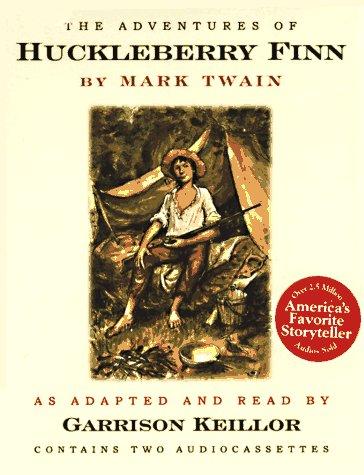
The Adventures of Huckleberry Finn by Mark Twain book cover

3. The Adventures of Huckleberry Finn

Mark Twain · 1884

A poor, uneducated boy fakes his own death and rafts down the Mississippi with an escaped enslaved man -- and has to unlearn everything his society taught him about right and wrong along the way.

The famous “I’ll go to hell” moment works because Twain has spent the whole book showing you exactly how deep Huck’s false moral training runs – so watching him override it anyway, believing he’s damning himself, is the real climax of the book.

Read it if: you want the novel Hemingway called the source of all modern American literature -- vernacular voice, moral reckoning, and a river as the engine of both

Skip it if: you're not prepared to sit with its use of period-accurate racist language and stereotyping in service of an anti-slavery argument -- it's genuinely uncomfortable, on purpose, and worth knowing that going in

Full verdict: The Adventures of Huckleberry Finn →

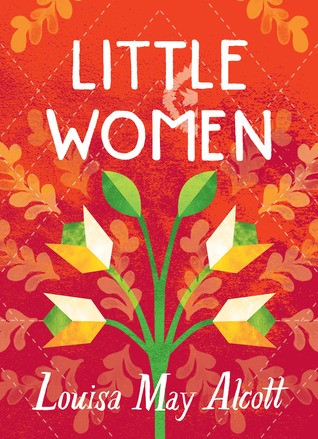
Little Women by Louisa May Alcott book cover

4. Little Women

Louisa May Alcott · 1868

Four sisters grow up poor and close-knit during the Civil War, and the novel that's supposed to be sentimental family fluff turns out to have real teeth about ambition, money, and what women were allowed to want.

Alcott had to marry Jo off to satisfy her publisher and readers, and it’s the one place the book visibly strains against its own better instincts. Everything before that compromise – Jo’s temper, her writing ambition, the sisters’ arguments over money and vanity – is sharper and more honest than the “sentimental classic” label suggests.

Read it if: you want the coming-of-age novel that gave generations of readers (and writers) permission to want a career as much as a marriage, through Jo March

Skip it if: you want a plot-driven story -- this is episodic and domestic by design, following the March sisters' daily lives more than any single dramatic arc

Full verdict: Little Women →

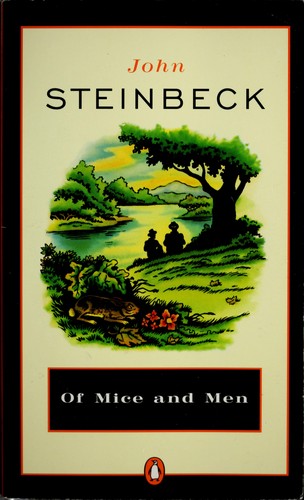
Of Mice and Men by John Steinbeck book cover

5. Of Mice and Men

John Steinbeck · 1937

Two migrant workers chase a shared dream of a little farm of their own, and the novella spends under 30,000 words methodically making sure you know exactly how it has to end.

Steinbeck wastes nothing – every character, every prop (Candy’s dog, Lennie’s dead mice, the puppy) is set up to pay off by the final scene. It’s a short book you can finish in an afternoon and still be thinking about a week later, which is a rarer trick than most novels twice its length manage.

Read it if: you want a short, devastating gut-punch of a novel about friendship, dreams, and the Depression-era working poor -- one sitting, permanent impact

Skip it if: you want a happy ending or a lighter read -- this book is short specifically because Steinbeck doesn't let you look away from where it's going

Full verdict: Of Mice and Men →

Frequently Asked Questions

What is the best coming-of-age novel?

The Catcher in the Rye, if you want the genre's defining voice — Holden Caulfield's alienation is the template every other angsty-teenager narrator gets compared to. To Kill a Mockingbird is the better pick if you want moral weight over voice.

Is To Kill a Mockingbird actually a coming-of-age novel?

Yes, and it's the strongest one here. Scout Finch's growing up isn't about romance or rebellion, it's about watching her father defend an innocent Black man and learning what her town actually is. That's a moral awakening, not just a plot.

Which of these is the funniest?

Huckleberry Finn, by a wide margin, at least until it turns serious. Twain's satire is sharp and the voice is playful in a way none of the others attempt.

Which one should I read if I want something short?

Of Mice and Men. It's the shortest book on this list and the bleakest, built around George and Lennie's friendship rather than a single character's growth — read it when you want the genre's emotional gut-punch, not its scenic route.

Keep Reading