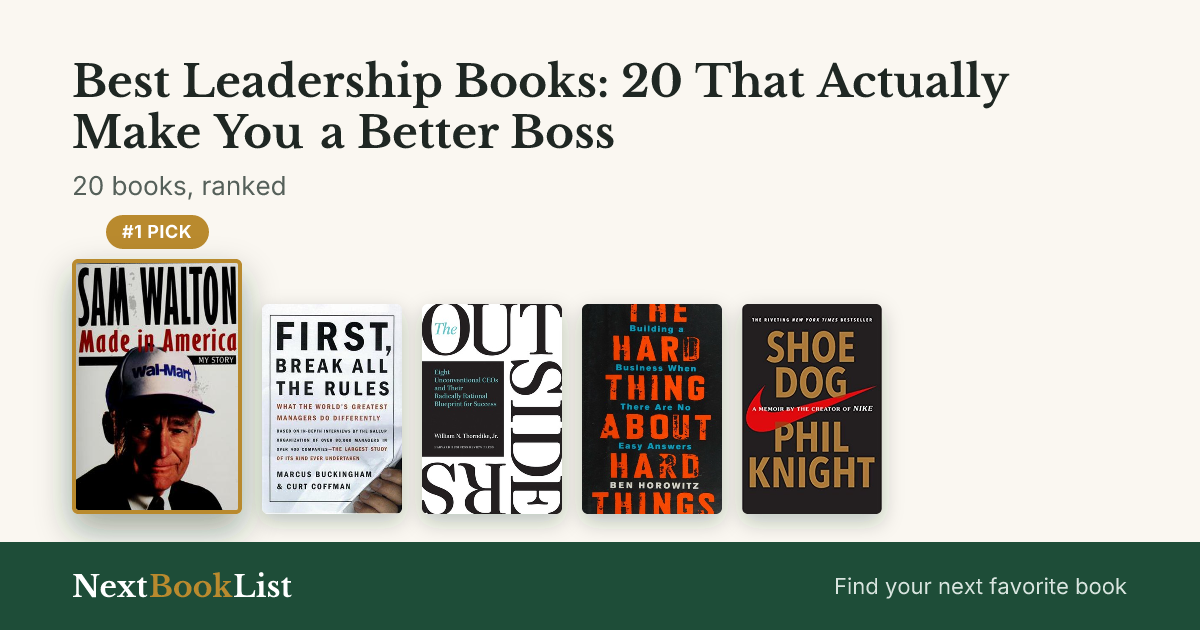
The best leadership book in this library is Made in America, and it has no framework, which is the point. Sam Walton built Walmart by obsessing over the unglamorous: margins, store walks, and treating associates like owners. If you read one book on leading a company, read the one written by someone who actually ran one into the ground-then-to-the-top.
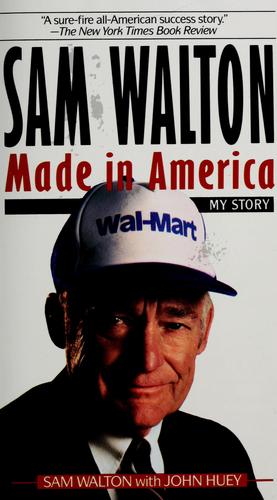
Right behind it, First, Break All the Rules is the one entry here built specifically on managing people rather than companies. Gallup studied thousands of managers to find what the best ones do differently, and none of it is charisma.
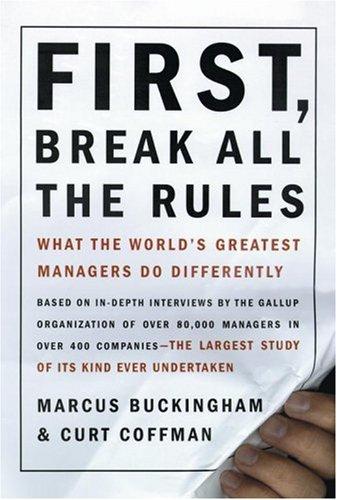
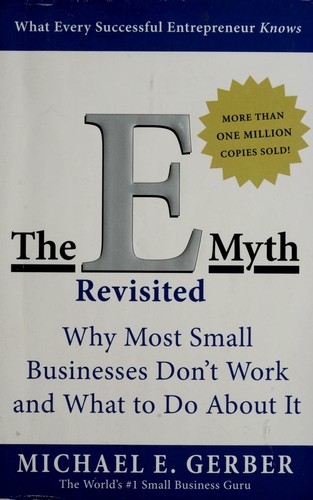
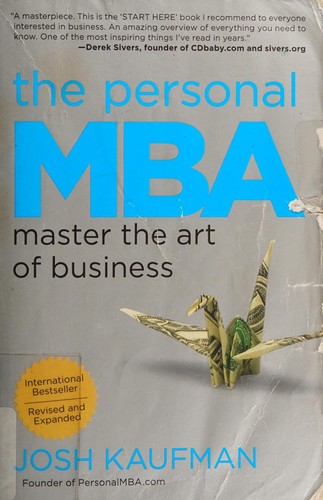
The rest of the list moves from building to steering to surviving. The Outsiders and Personal MBA cover the allocation and general-management layer. Zero to One, The Lean Startup, and The E-Myth Revisited are for the founder who has to build the machine. Shoe Dog is the emotional record of doing it scared.
Close with The Hard Thing About Hard Things. Horowitz is the only author here writing for the moments Drucker and Walton can’t help you with, when there is no right answer and the building is on fire.
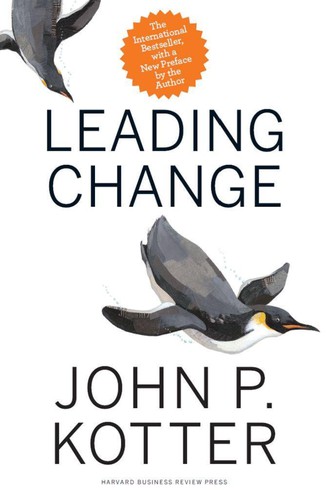
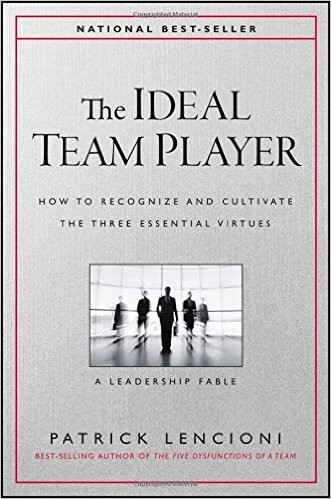
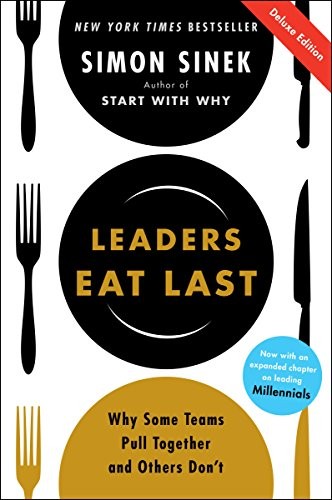
Four more round out the team and culture side specifically. Leading Change is the classic on why most organizational change efforts fail and what the eight-step process for the ones that don’t actually looks like. The Ideal Team Player and Team of Teams both address who you’re leading, not just how: Lencioni on the three traits worth hiring for, McChrystal on why large organizations need to behave like small, adaptive teams once the environment gets complex. Leaders Eat Last closes it out on the case that a leader’s job is protecting the people below them, not the other way around.
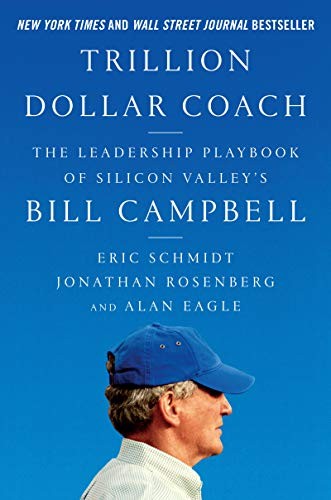
Trillion Dollar Coach closes the list from a different angle entirely: coaching leaders rather than being one. Bill Campbell shaped the founders behind Google, Apple, and Intuit without running any major company himself, and the book, reconstructed from over 80 interviews, is a people-first philosophy that undergirds most of the frameworks above it.
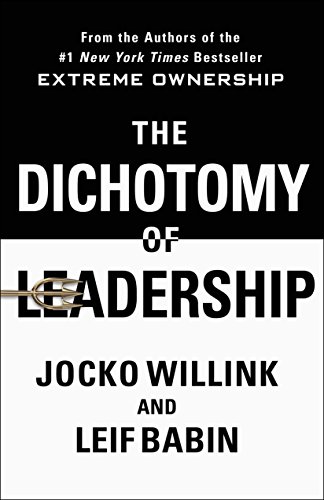
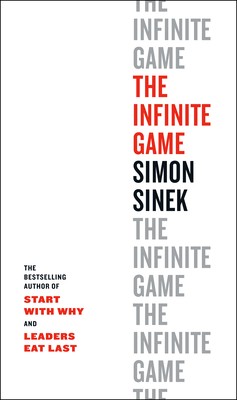
Four more for the direct feedback and mission side: Radical Candor is the sharpest answer to “how do I actually tell someone they’re underperforming without either softening it into nothing or being cruel.” Multipliers is Liz Wiseman’s case that the best leaders make everyone around them smarter, not just themselves. Extreme Ownership brings a military framing (Jocko Willink, ex-Navy SEAL) to accountability, no excuses, the leader owns every outcome. The Infinite Game closes with Sinek’s argument that leaders playing a finite, win-the-quarter game lose to the ones playing to keep the organization in the game at all.
Read these for judgment, vision, and now some actual people-management, then pair with a stoicism list for the temperament part of leading humans.
Eric Schmidt, Jonathan Rosenberg & Alan Eagle · 2019
The coach behind Steve Jobs, Larry Page, and Eric Schmidt never ran a company himself in Silicon Valley's biggest era, he just made nearly everyone who did run one dramatically better.
Campbell’s influence is unusual precisely because he never sought public credit or ran a company himself in an era defined by founder mythology – the book exists specifically to reconstruct an approach that would have otherwise been lost, using the collective memory of the people who were shaped by it directly.
Read it if: you want a leadership philosophy built from interviews with 80-plus people who were directly coached by one person, rather than one executive's own self-account
Skip it if: you want a personal memoir or biography with a traditional narrative arc -- this is closer to a leadership playbook organized by theme than a chronological life story
Full verdict: Trillion Dollar Coach →
Frequently Asked Questions
What is the best leadership book to start with?
Made in America by Sam Walton. It's a founder telling you, plainly, how he built the largest retailer on earth and the principles he refused to compromise. No framework, no jargon, just the operating beliefs of a relentless leader. Read it before any of the theory.
Is The Hard Thing About Hard Things worth reading if I'm not a CEO?
Yes, especially if you manage people through anything messy. Horowitz is the only author here writing for the moment when there is no right answer and the company might not make it. The rest of the list is about building; this one is about surviving.
The Outsiders is about capital allocation, not leadership. Why is it here?
Because the hardest leadership decision a CEO makes is where to put the company's money and attention. Thorndike's eight CEOs beat the market by being disciplined allocators. If you lead anything with a budget, it's the most useful frame you'll read.
My catalog is thin on people-management. What do I read for that?
First, Break All the Rules. Gallup's research on what great managers actually do differently, focus on strengths, don't try to fix weaknesses, set different expectations for each person, is the closest thing on this list to frontline, day-to-day people management. Pair it with Made in America for the operating-principles side.
What's the best leadership book on leading through organizational change?
Leading Change by John Kotter. It's the classic academic treatment of why most change efforts fail and the eight-step process for the ones that don't, required reading if you're leading a team or company through a real transition, not just steady-state management.
What book helps with building the right team culture, not just managing individuals?
The Ideal Team Player and Team of Teams. Lencioni on the three traits (humble, hungry, smart) worth hiring and promoting for; McChrystal on why large organizations need to behave like small, adaptive teams instead of rigid hierarchies once the environment gets complex.
Is there a book here on coaching leaders rather than being one directly?
Trillion Dollar Coach. Bill Campbell coached the founders behind Google, Apple, and Intuit without ever running one of those companies himself, and the book reconstructs his people-first approach from interviews with over 80 people he coached directly.