Best Relationship Books: 10 Ranked by What They Actually Fix

Updated July 12, 2026 · 10 books

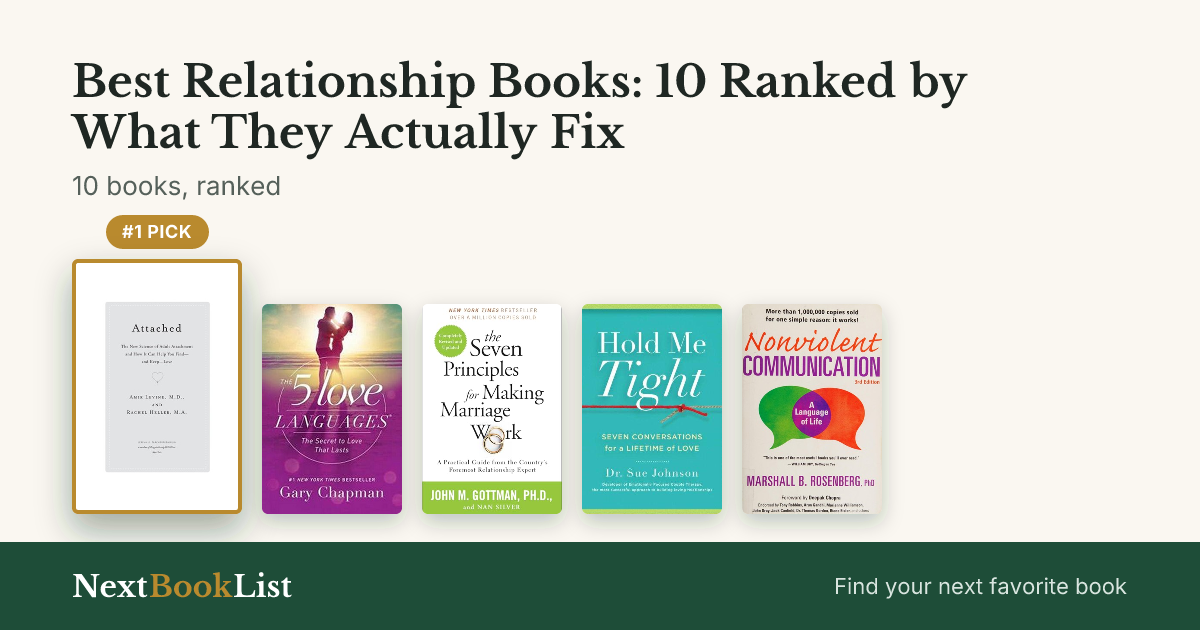
Best Relationship Books: 10 Ranked by What They Actually Fix: ranked list of 10 books

The best relationship book depends entirely on what’s actually broken, so start with the diagnosis, not the bestseller list. If you keep dating the same type of person and don’t know why, that’s Attached. If you’re married and the fights feel circular, that’s Gottman. If the fights aren’t really about the dishes, that’s Hold Me Tight.

Dating and pattern recognition: Attached explains your attachment style before anything else matters. The 5 Love Languages fixes the most common early-relationship mismatch: giving love in a language your partner doesn’t speak.

Married or long-term: The Seven Principles for Making Marriage Work is the research-backed foundation. Hold Me Tight goes underneath it to the attachment cycle driving your specific fights. Mating in Captivity covers the problem neither addresses – why desire fades even in a secure, well-run relationship.

Skills and boundaries: Nonviolent Communication for how you actually talk to each other. Boundaries and Codependent No More for when the problem is losing yourself inside the relationship, not fighting within it.

One warning: no book fixes a relationship by itself. These name patterns and give you language for problems you’re already living through – the actual work happens in the next hard conversation, not the next chapter.

Quick Comparison

#BookBest for
1AttachedAmir Levine & Rachel S.F. Helleryou keep having the same fight in every relationship and want to know whyAmazon
2The 5 Love LanguagesGary Chapmanyou and a partner keep missing each other on what 'feeling loved' actually requiresAmazon
3The Seven Principles for Making Marriage WorkJohn Gottman & Nan Silveryou're married or in a long-term relationship and want research-backed principles, not vague advice about 'communication'Amazon
4Hold Me TightSue Johnsonyou want to understand the emotional cycle underneath your fights, not just better communication scriptsAmazon
5Nonviolent CommunicationMarshall B. Rosenbergyour conversations keep turning into arguments and you want words that land instead of provokeAmazon
6Mating in CaptivityEsther Perelyou're in a stable, secure long-term relationship and want to understand why desire has faded even though nothing is 'wrong'Amazon
7BoundariesHenry Cloud & John Townsendyou say yes when you mean no and want a structured, faith-informed framework for changing thatAmazon
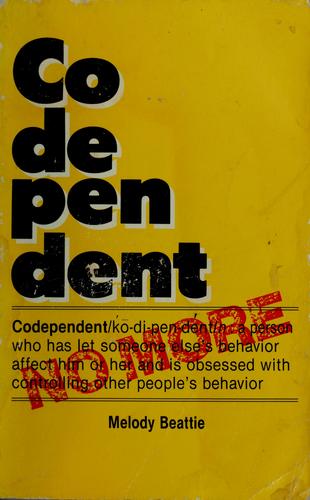
8Codependent No MoreMelody Beattieyou keep managing other people's problems, feelings, or addictions at the expense of your own lifeAmazon
9Men Are from Mars, Women Are from VenusJohn Grayyou want the cultural touchstone that shaped a generation's relationship vocabulary and can read it criticallyAmazon
10A Return to LoveMarianne Williamsonyou want a spiritually-framed take on fear, love, and self-worth, rooted in Course in Miracles philosophyAmazon

The Books

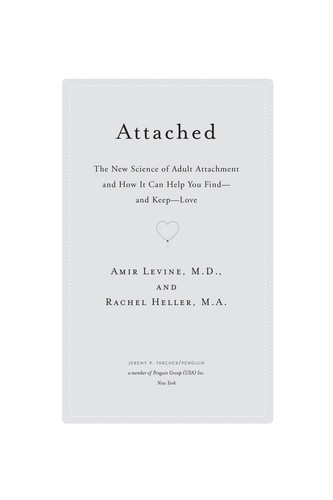
Attached by Amir Levine & Rachel S.F. Heller book cover

1. Attached

Amir Levine & Rachel S.F. Heller · 2010

The relationship book that explains your dating patterns with actual attachment science instead of vibes.

Levine and Heller take attachment theory out of child psychology and apply it to adult dating, and the fit is uncomfortably good. If you’ve ever been called “too needy” or dated someone who pulled away the moment things got real, this book has a name for what happened. It’s less about fixing your partner than understanding the pattern you keep walking into.

Read it if: you keep having the same fight in every relationship and want to know why

Skip it if: you want a step-by-step communication script, not a framework for understanding yourself and your partner
Full verdict: Attached →

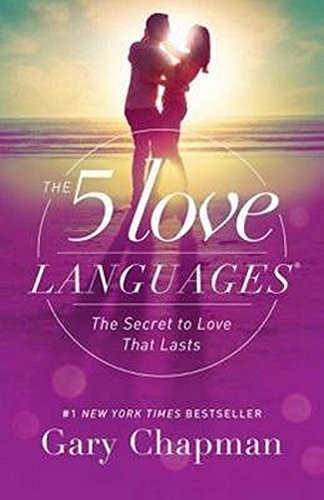
The 5 Love Languages by Gary Chapman book cover

2. The 5 Love Languages

Gary Chapman · 1992

The book that gave couples a shared vocabulary for 'you're not loving me the way I need to be loved' without the fight.

Chapman’s framework became a cultural shorthand for a reason: it gives couples a fast, low-conflict way to say “here’s what I actually need” instead of relitigating the same argument. It’s thin on evidence compared to newer relationship science, but as a practical tool for defusing “you don’t love me enough” into “we’re speaking different languages,” it still works.

Read it if: you and a partner keep missing each other on what 'feeling loved' actually requires

Skip it if: you want empirical, research-backed relationship science, the five-languages framework is popular and useful as a heuristic, but it isn't validated by peer-reviewed research the way Gottman's work is

Full verdict: The 5 Love Languages →

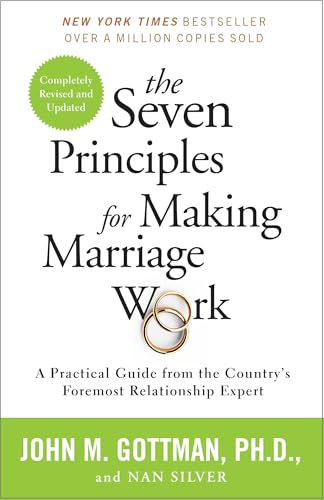
The Seven Principles for Making Marriage Work by John Gottman & Nan Silver book cover

3. The Seven Principles for Making Marriage Work

John Gottman & Nan Silver · 1999

40 years of couples research, distilled by the psychologist who can predict divorce with startling accuracy just by watching a couple argue.

Gottman built his reputation by actually watching thousands of couples argue in a lab and tracking which ones divorced years later, and that evidence base is what separates this from most relationship advice. The “69% of conflicts are unsolvable” finding alone is worth the read – it reframes what a good marriage actually requires, and it isn’t resolving every disagreement.

Read it if: you're married or in a long-term relationship and want research-backed principles, not vague advice about 'communication'

Skip it if: you're single or early dating, this is written specifically for couples already navigating shared life, not for the earlier stages

Full verdict: The Seven Principles for Making Marriage Work →

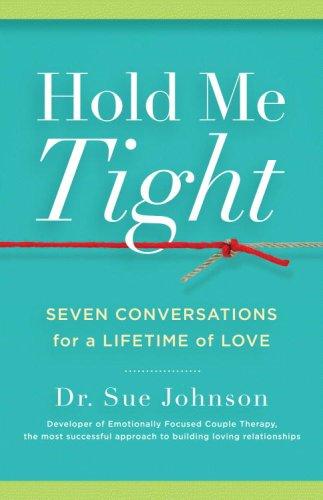
Hold Me Tight by Sue Johnson book cover

4. Hold Me Tight

Sue Johnson · 2008

The self-help version of Emotionally Focused Therapy, the couples therapy approach the New York Times and Time both called the one with the highest success rate.

Johnson’s “disguised protest” reframe is the kind of idea that changes how you hear your own next argument – once you can recognize a partner’s anger as a mask for “I’m scared you don’t need me,” the fight itself becomes easier to navigate. Read it alongside Gottman’s book for the full picture: behavior patterns from one, the attachment wiring underneath from the other.

Read it if: you want to understand the emotional cycle underneath your fights, not just better communication scripts

Skip it if: you want research citations and data tables like Gottman's book. Johnson writes in a warmer, more narrative, less academic style built around conversation transcripts

Full verdict: Hold Me Tight →

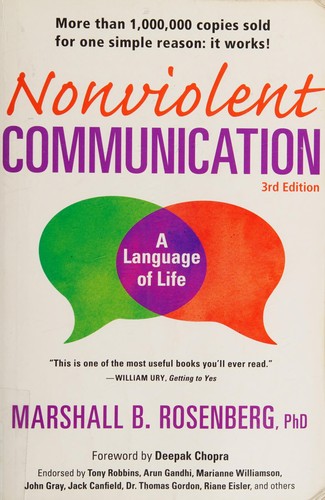
Nonviolent Communication by Marshall B. Rosenberg book cover

5. Nonviolent Communication

Marshall B. Rosenberg · 1999

The communication book that replaces 'you always' with language that actually gets heard.

Marshall Rosenberg built an entire communication method on one insight: judgment triggers defense, and defense kills every real conversation before it starts. Nonviolent Communication teaches you to say what actually happened, name what you feel, and ask for what you need – without the accusation baked into the sentence. It sounds stiff on page one and starts working by chapter three.

Read it if: your conversations keep turning into arguments and you want words that land instead of provoke

Skip it if: you want quick scripts for one conversation -- this is a full framework, and it takes practice to sound natural

Full verdict: Nonviolent Communication →

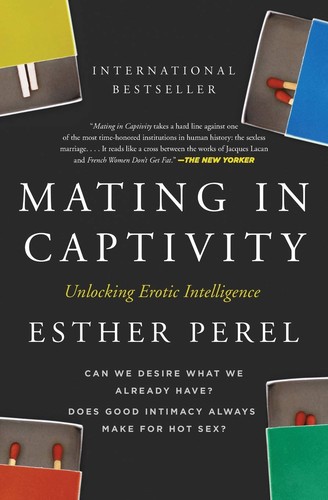
Mating in Captivity by Esther Perel book cover

6. Mating in Captivity

Esther Perel · 2006

The book that named the problem every long-term couple half-recognizes: security and desire pull in opposite directions, and most relationship advice only knows how to build the first one.

Perel, a couples therapist, wrote this after noticing a pattern that standard relationship advice couldn’t explain: couples who’d done everything “right” – built trust, communicated well, resolved conflict – and still felt their desire fading. The security-versus-desire tension she names is uncomfortable precisely because it doesn’t have a clean fix, but naming it accurately is worth more than a false promise of resolution.

Read it if: you're in a stable, secure long-term relationship and want to understand why desire has faded even though nothing is 'wrong'

Skip it if: you're looking for communication scripts or conflict-resolution technique. Perel is working the erotic/desire angle specifically, not the day-to-day cooperation Gottman and Johnson cover

Full verdict: Mating in Captivity →

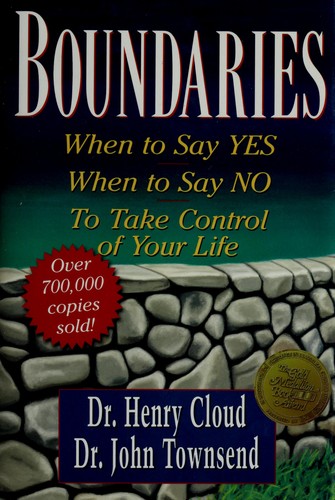
Boundaries by Henry Cloud & John Townsend book cover

7. Boundaries

Henry Cloud & John Townsend · 1992

The book that made 'boundaries' a household word, twenty years before it became a therapy-speak cliché.

This is the book that put “boundaries” into everyday vocabulary, and thirty years later the property-line metaphor still explains the concept better than most modern takes. The Christian framing is baked in throughout, which will either resonate or won’t – if it doesn’t, Set Boundaries, Find Peace gets you the same practical skill without it.

Read it if: you say yes when you mean no and want a structured, faith-informed framework for changing that

Skip it if: you want a secular approach, this leans explicitly Christian, and Set Boundaries, Find Peace covers similar ground without the religious framing

Full verdict: Boundaries →

Codependent No More by Melody Beattie book cover

8. Codependent No More

Melody Beattie · 1986

The book that gave 'codependent' its modern meaning and a generation of over-givers permission to stop.

Beattie writes from her own recovery, not from a research lab, and the book is stronger for it – specific, lived-in, and free of academic hedging. If you’ve ever felt responsible for someone else’s mood or sobriety, this names the exact trap. Read it alongside Boundaries for the how-to layer this book doesn’t fully provide.

Read it if: you keep managing other people's problems, feelings, or addictions at the expense of your own life

Skip it if: you're looking for a clinical, research-heavy diagnosis. Beattie writes from recovery experience and case stories, not academic psychology

Full verdict: Codependent No More →

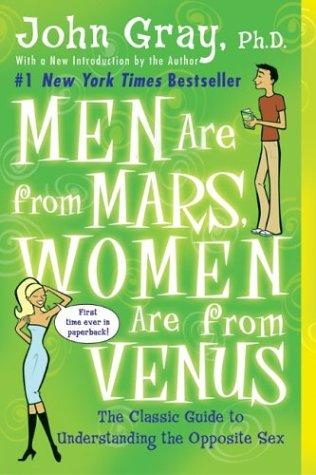
Men Are from Mars, Women Are from Venus by John Gray book cover

9. Men Are from Mars, Women Are from Venus

John Gray · 1992

The bestselling relationship book of the 90s, built on a metaphor everyone remembers and a science base that hasn't held up.

This is a cultural artifact as much as a relationship book – the metaphor is so deeply embedded in how people talk about relationships that it’s worth reading once just to see where the phrase came from. Read the practical chapters on space and listening for what still transfers, and take the gender-essentialist framing with real skepticism.

Read it if: you want the cultural touchstone that shaped a generation's relationship vocabulary and can read it critically

Skip it if: you want current, research-backed relationship advice, the rigid gender-binary framing is dated, and Attached offers a more evidence-based model of how people actually connect

Full verdict: Men Are from Mars, Women Are from Venus →

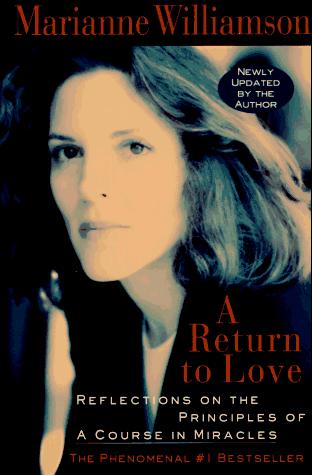
A Return to Love by Marianne Williamson book cover

10. A Return to Love

Marianne Williamson · 1992

The book that made 'our deepest fear is not that we are inadequate' a household quote, built on a reinterpretation of A Course in Miracles.

The Mandela misattribution alone tells you how far this book’s central passage traveled beyond its own cover – it became cultural shorthand independent of readers even knowing the source. Williamson’s fear-versus-love framing is more metaphysical than most books on this list, so approach it as a spiritual text first and a self-help book second.

Read it if: you want a spiritually-framed take on fear, love, and self-worth, rooted in Course in Miracles philosophy

Skip it if: you want a secular or scientifically grounded approach, this is explicitly metaphysical and spiritual, adjacent to New Thought, not evidence-based psychology

Full verdict: A Return to Love →

Frequently Asked Questions

What is the best relationship book?

Attached, for most people. It explains why you keep repeating the same dating pattern (anxious, avoidant, secure) before you even get to a specific relationship's problems. If you're already married, start with Gottman's Seven Principles instead.

What is the best book for married couples?

The Seven Principles for Making Marriage Work. It's built on 40 years of Gottman's lab research on real couples, not intuition, and the finding that most conflicts are unsolvable (not everything needs fixing) is worth the read on its own.

What book helps with communication in a relationship?

Nonviolent Communication for the general skill. Hold Me Tight if the communication problem is really an attachment problem in disguise -- most repeated fights are a protest against feeling disconnected, not actually about the stated topic.

Is Men Are from Mars, Women Are from Venus still worth reading?

Worth knowing for cultural context since it shaped a generation's relationship vocabulary, but its gender-essentialist claims haven't aged well. Attached and Gottman's research-backed work have mostly superseded it.

Keep Reading