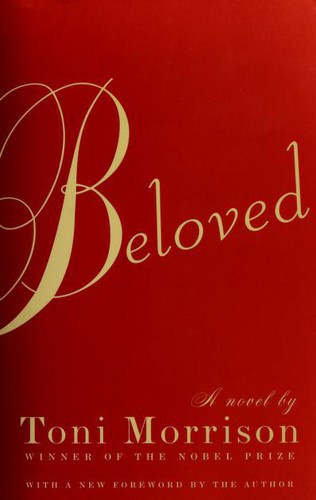
Beloved
by Toni Morrison · 1987
A formerly enslaved woman's house is haunted by the ghost of the daughter she killed to save her from slavery -- and the novel refuses to let you look away from why.
Worth reading? Beloved earns the reputation -- there isn't a comparable American novel about the psychological aftermath of slavery that hits this hard or stays this honest. It's demanding by design; don't go in expecting an easy or linear read, go in ready to sit with what Morrison refuses to simplify.
| Author | Toni Morrison |
|---|---|
| Published | 1987 |
| Publisher | Vintage |
| Category | Fiction |
| Favorite quote | “Freeing yourself was one thing; claiming ownership of that freed self was another.” |
The Verdict
What makes it unforgettable isn’t the ghost story premise, it’s how Morrison structures the reveal so you understand Sethe’s choice only after you’ve already had to sit with its horror unexplained. That order is deliberate, and it’s why the book still gets taught and reread decades later.
you want the novel most critics call the best American novel of the last 50 years, and you're ready for a book that makes trauma structurally unforgettable, not just described
you need a linear, comfortable read -- Morrison fractures the timeline and withholds the central act for most of the book on purpose, and the subject matter is unflinching
Book Summary
Sethe's act (killing her own daughter rather than letting her be returned to slavery) is the moral center Morrison refuses to resolve easily. The novel forces you to sit with an act that is both horrifying and, given the actual conditions of slavery, comprehensible -- and it withholds full context until you've already had to judge her.
Beloved, the ghost/returned daughter, embodies the unprocessed collective trauma of slavery itself, not just Sethe's personal grief. Her presence in the house is Morrison's way of making history physically inescapable rather than abstractly 'in the past.'
The fractured, nonlinear narrative structure mimics how trauma actually works in memory -- it doesn't arrive in order, and Morrison makes the reader experience that same disorientation rather than simply describing it.
Top 7 Lessons from Beloved
- Some historical trauma cannot be fully processed by a single generation and gets inherited by the next in unresolved form.
- An act that looks monstrous out of context can be genuinely comprehensible once the full circumstances are revealed.
- Community and memory are inseparable -- healing in the novel requires other people, not just individual will.
- Naming and language were tools of dehumanization under slavery, and reclaiming them is part of reclaiming selfhood.
- The body remembers trauma that the conscious mind has suppressed or refuses to narrate directly.
- Freedom on paper (legal freedom) and freedom in practice (psychological, generational) are shown as two very different things.
- A nonlinear structure can put the reader inside the disorientation of trauma rather than just describing it from outside.
Top 4 Quotes from Beloved
"Freeing yourself was one thing; claiming ownership of that freed self was another."
Toni Morrison, Beloved
"This is not a story to pass on."
Toni Morrison, Beloved
"She is a friend of my mind. She gather me, man. The pieces I am, she gather them and give them back to me in all the right order."
Toni Morrison, Beloved
"Love is or it ain't. Thin love ain't love at all."
Toni Morrison, Beloved
Frequently Asked Questions
Is Beloved worth reading?
Yes -- it's widely considered the best American novel of the past 50 years, and its treatment of slavery's psychological aftermath is unmatched.
Is Beloved hard to read?
Yes, both structurally (the timeline is fractured and nonlinear) and emotionally (the subject matter is unflinching). It rewards patience and rereading.
What is the main theme of Beloved?
That the trauma of slavery doesn't end with legal freedom -- it lives on in memory, community, and even the physical world, and has to be confronted, not buried.
Who should read Beloved?
Readers ready for a demanding, nonlinear novel that makes historical trauma feel present rather than safely in the past.
Ready to read it?
Get Beloved on Amazon