Best World Literature: 8 Novels Beyond the Western Canon

Updated July 15, 2026 · 8 books

Best World Literature: 8 Novels Beyond the Western Canon: ranked list of 8 books

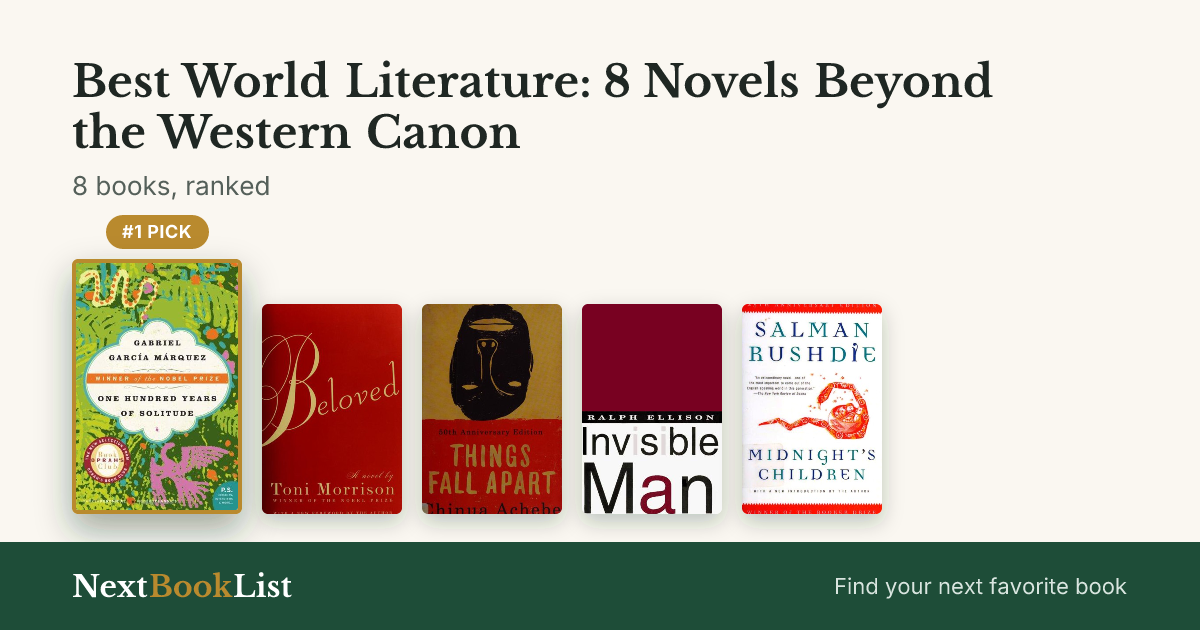
The best world literature novel to start with is One Hundred Years of Solitude. Gabriel Garcia Marquez didn’t just write a great novel, he founded a mode, magical realism, that nearly every Latin American novel written since has had to answer to. Read this before you read anything else that gets called “magical realist.”

Beloved, Things Fall Apart, Invisible Man, Their Eyes Were Watching God, and Native Son each examine race and history from a specific, distinct angle, and none of them are interchangeable. Beloved confronts slavery’s psychological aftermath through a literal haunting. Things Fall Apart tells the collision of Igbo village life with British colonialism from inside the culture, not as an outside observer. Invisible Man is about a Black man’s identity erased by a society that refuses to see him, told through a narrator who’s literally unnamed. Their Eyes Were Watching God follows one woman’s search for a voice and a self across three marriages. Native Son goes darker still, following a young Black man in 1930s Chicago whose crime the book refuses to either excuse or simplify.

Midnight’s Children takes on India directly, tying its narrator Saleem Sinai’s life to the exact hour of Indian independence, dense and playful and worth the patience it demands. White Teeth closes the list in a different register, multi-generational, multicultural London comedy that’s lighter on its feet than everything above it while still taking identity seriously.

These eight aren’t standing in for “diverse voices” as a category, each is doing something specific that the standard classic-novels list doesn’t cover. Read them for what they’re actually about, not as a box to check.

Quick Comparison

#BookBest for
1One Hundred Years of SolitudeGabriel Garcia Marquezyou want the book that defined magical realism, and you're willing to keep a family tree handy to track six generations of Aurelianos and Jose ArcadiosAmazon
2BelovedToni Morrisonyou want the novel most critics call the best American novel of the last 50 years, and you're ready for a book that makes trauma structurally unforgettable, not just describedAmazon
3Things Fall ApartChinua Achebeyou want the novel that answered centuries of Western fiction depicting Africa as an unpeopled 'heart of darkness' -- a complex, specific society shown from the inside before it's destroyed from the outsideAmazon
4Invisible ManRalph Ellisonyou want the defining American novel about identity, race, and being used by every system you try to join -- and you're willing to sit with a narrator who takes 500 pages to stop apologizing for himselfAmazon
5Midnight's ChildrenSalman Rushdieyou want ambitious, maximalist literary fiction that treats a country's history as inseparable from one unreliable narrator's personal storyAmazon
6Their Eyes Were Watching GodZora Neale Hurstonyou want a beautifully written, dialect-rich novel about a woman's search for self-determination and real love, told entirely on her own termsAmazon
7Native SonRichard Wrightyou want the novel that broke ground for showing systemic racism's psychological damage from inside a character society had already decided to condemnAmazon
8White TeethZadie Smithyou want the novel that redefined British fiction about immigration, race, and generational identity, with real comedy alongside the weightAmazon

The Books

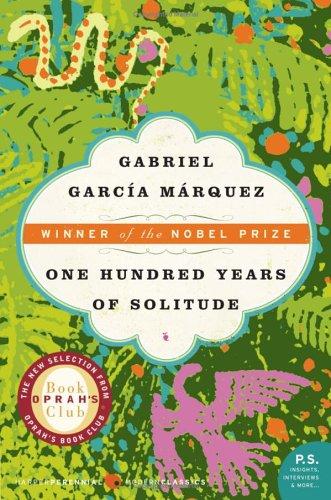
One Hundred Years of Solitude by Gabriel Garcia Marquez book cover

1. One Hundred Years of Solitude

Gabriel Garcia Marquez · 1967

Seven generations of the Buendia family found a town, repeat each other's names and mistakes, and slowly discover that solitude is the family's real inheritance -- told with the straightest face imaginable while ghosts, plagues of insomnia, and a rain of yellow flowers happen on every other page.

The opening line is one of the best in world literature, and the whole book operates on that same trick – collapsing past, present, and future into a single sentence, then making you live inside that collapsed time for seven generations. Keep a family tree handy. You’ll need it, and the effort is the point.

Read it if: you want the book that defined magical realism, and you're willing to keep a family tree handy to track six generations of Aurelianos and Jose Arcadios

Skip it if: you get frustrated by repeating character names and non-linear time -- the novel deliberately blurs generations into each other, and that's a feature you either surrender to or fight the whole way through
Full verdict: One Hundred Years of Solitude →

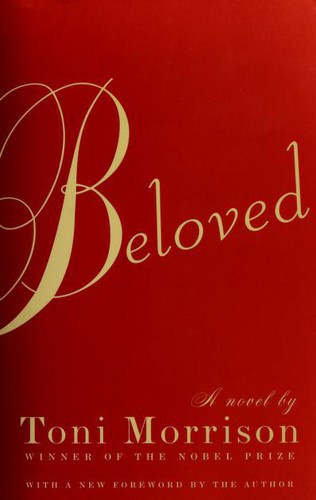
Beloved by Toni Morrison book cover

2. Beloved

Toni Morrison · 1987

A formerly enslaved woman's house is haunted by the ghost of the daughter she killed to save her from slavery -- and the novel refuses to let you look away from why.

What makes it unforgettable isn’t the ghost story premise, it’s how Morrison structures the reveal so you understand Sethe’s choice only after you’ve already had to sit with its horror unexplained. That order is deliberate, and it’s why the book still gets taught and reread decades later.

Read it if: you want the novel most critics call the best American novel of the last 50 years, and you're ready for a book that makes trauma structurally unforgettable, not just described

Skip it if: you need a linear, comfortable read -- Morrison fractures the timeline and withholds the central act for most of the book on purpose, and the subject matter is unflinching

Full verdict: Beloved →

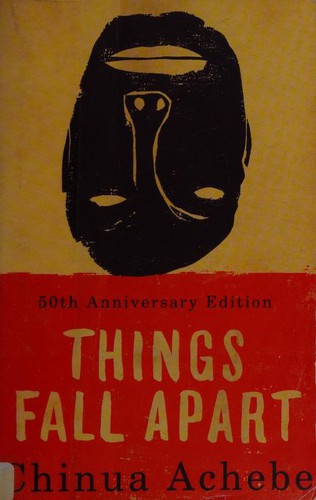
Things Fall Apart by Chinua Achebe book cover

3. Things Fall Apart

Chinua Achebe · 1958

A respected Igbo wrestler and warrior builds a life on strength and tradition -- then watches colonialism dismantle everything his society valued, including him.

The structure is the argument – by the time the missionaries show up two-thirds of the way through, you already know Umuofia well enough that its unraveling feels like watching a real place get erased, not an abstract historical footnote.

Read it if: you want the novel that answered centuries of Western fiction depicting Africa as an unpeopled 'heart of darkness' -- a complex, specific society shown from the inside before it's destroyed from the outside

Skip it if: you want colonialism as background scenery -- Achebe structures the whole novel so the second half's arrival of missionaries and colonial administrators lands as a genuine rupture, not just context

Full verdict: Things Fall Apart →

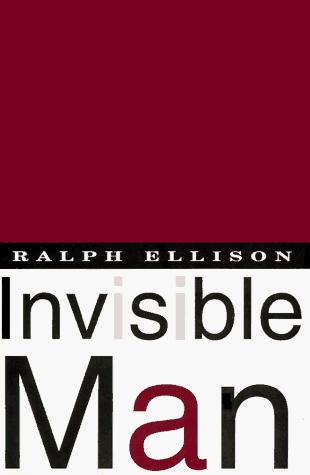
Invisible Man by Ralph Ellison book cover

4. Invisible Man

Ralph Ellison · 1952

An unnamed Black narrator claws his way through a series of institutions built to use him, and slowly realizes none of them ever intended to actually see him.

The battle royal scene alone justifies the book’s reputation: blindfolded Black boys made to fight each other for a room full of drunk white men, then paid in coins that turn out to be fake. Ellison sets that template in the first chapter and spends five hundred pages proving it repeats in every “respectable” institution the narrator tries next – the college, the factory, the party.

What makes it better than most protest fiction of its era is that it doesn’t let any side off the hook, including the political left. If Native Son made you angry at a system, this one will make you suspicious of every group that claims to be the solution to it.

Read it if: you want the defining American novel about identity, race, and being used by every system you try to join -- and you're willing to sit with a narrator who takes 500 pages to stop apologizing for himself

Skip it if: you want a tight, fast plot -- this is a sprawling, essayistic, sometimes surreal novel of ideas, closer to a series of escalating set pieces than a conventional arc

Full verdict: Invisible Man →

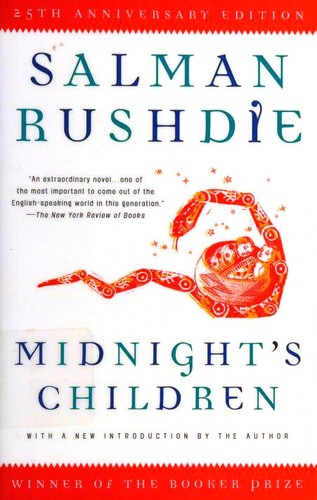
Midnight's Children by Salman Rushdie book cover

5. Midnight's Children

Salman Rushdie · 1981

A boy born at the exact stroke of India's independence gets telepathic powers and an entire nation's history tangled into his life story.

The premise sounds like a gimmick – a boy magically tied to his nation’s birth – and then Rushdie spends 500-plus pages proving it isn’t one. Saleem’s unreliability as a narrator is the whole point: he gets dates wrong, contradicts himself, and keeps going anyway, because the book’s real argument is that memory (personal or national) was never going to be objective.

Skip it if you want tight, linear plotting – this sprawls on purpose, closer to an oral epic than a conventional novel. But if you want to see magical realism used to actually say something about a specific country’s history rather than just add color, this is one of the best examples written in English.

Read it if: you want ambitious, maximalist literary fiction that treats a country's history as inseparable from one unreliable narrator's personal story

Skip it if: you want a tight, linear plot -- this is sprawling, digressive, and self-consciously unreliable, closer to a shaggy oral epic than a conventional novel

Full verdict: Midnight's Children →

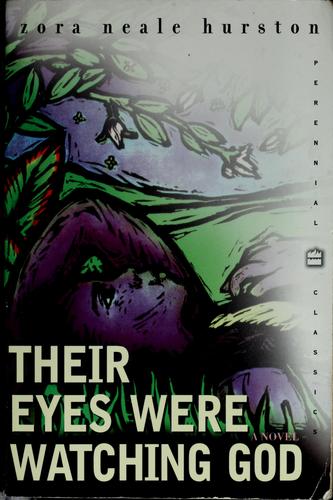
Their Eyes Were Watching God by Zora Neale Hurston book cover

6. Their Eyes Were Watching God

Zora Neale Hurston · 1937

A Black woman in early-1900s Florida survives three marriages to find out what she actually wants love to feel like.

Janie’s arc across three marriages does something a lot of “find yourself” narratives fake – it makes you feel the real cost of the security she gives up to get something honest. Jody’s marriage in particular, where he literally silences her in public, is one of the sharpest depictions of a marriage hollowing out a person while looking successful from the outside.

Skip it only if the phonetic vernacular dialogue is a genuine barrier for you right now – it takes a chapter or two to find your footing in it. Once you do, this is one of the best-written American love stories, full stop, not just “for its era.”

Read it if: you want a beautifully written, dialect-rich novel about a woman's search for self-determination and real love, told entirely on her own terms

Skip it if: you're not ready for the Southern Black vernacular dialogue Hurston writes phonetically throughout -- it's a deliberate stylistic choice, not a barrier to push past quickly, but it does take some adjustment

Full verdict: Their Eyes Were Watching God →

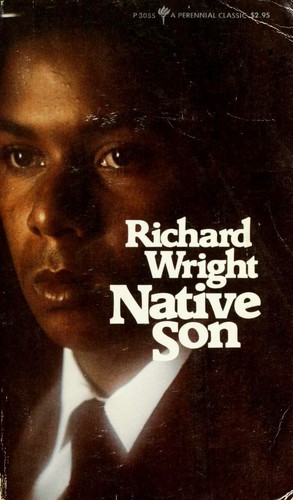
Native Son by Richard Wright book cover

7. Native Son

Richard Wright · 1940

A young Black man in 1930s Chicago accidentally kills a white woman -- and the novel forces you to watch a racist system produce exactly the monster it claimed to fear.

The courtroom section is where the book turns from novel to argument, and it works because Wright lets the legal defense’s sociological framing feel both true and still somehow insufficient – explaining Bigger doesn’t excuse him, and the book never pretends otherwise.

Read it if: you want the novel that broke ground for showing systemic racism's psychological damage from inside a character society had already decided to condemn

Skip it if: you want a sympathetic protagonist in the conventional sense -- Bigger Thomas is written to be genuinely hard to like, which is the point, not a flaw

Full verdict: Native Son →

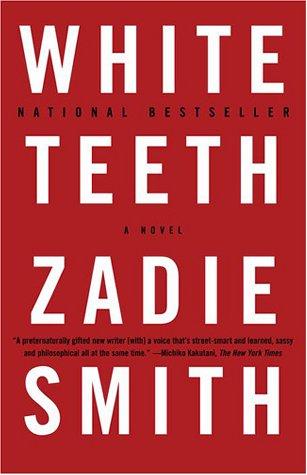
White Teeth by Zadie Smith book cover

8. White Teeth

Zadie Smith · 2000

Two WWII army buddies, one English and one Bangladeshi, raise their families in multicultural North London -- and their kids' generation has to figure out identity in a country that never fully lets them belong or leave.

The genetic-engineering subplot late in the book gets the most criticism, but it’s doing real work – Smith is asking whether you can engineer a ‘perfect,’ controlled identity any more successfully than Samad could engineer a ‘pure’ one for his son. The answer, in both cases, is no.

Read it if: you want the novel that redefined British fiction about immigration, race, and generational identity, with real comedy alongside the weight

Skip it if: you want a tight, minimalist novel -- this is sprawling and maximalist by design, juggling multiple families and timelines, which some readers find overstuffed

Full verdict: White Teeth →

Frequently Asked Questions

What is the best world literature novel to start with?

One Hundred Years of Solitude. Gabriel Garcia Marquez founded the modern idea of magical realism with the Buendia family's seven generations, and nearly every magical-realist novel written since is answering this one.

What's the difference between this list and the classic novels list?

The classic novels list is the standard Western canon, England, Russia, France, Spain. This one covers what that list skips: Latin American magical realism, Indian postcolonial fiction, and Black American literature examining race and history directly.

Which book is the hardest read on this list?

Midnight's Children, structurally. Salman Rushdie ties Saleem Sinai's life to the exact moment of India's independence, and the prose is dense and playful in ways that reward patience more than speed.

What's the best pick if I want something rooted in African history?

Things Fall Apart. Chinua Achebe tells the story of Igbo village life and its collision with British colonialism from inside the culture, not as an outside observer, which is the whole point of the book.

Is Beloved as difficult as its reputation suggests?

Yes, and it should be. Toni Morrison writes about slavery's psychological aftermath through a literal haunting, and the difficulty is the argument, not a flaw to push through.

Keep Reading