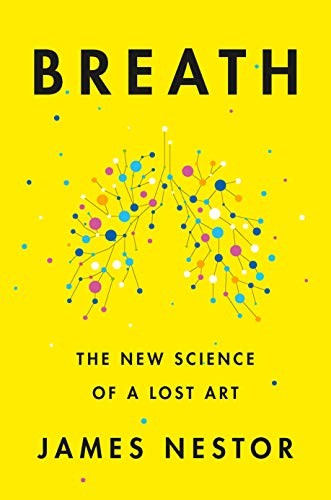
Breath
by James Nestor · 2020
Nestor's case that most people breathe wrong, chronically, and that fixing it (mostly: breathe through your nose) changes sleep, anxiety, and health more than any supplement.
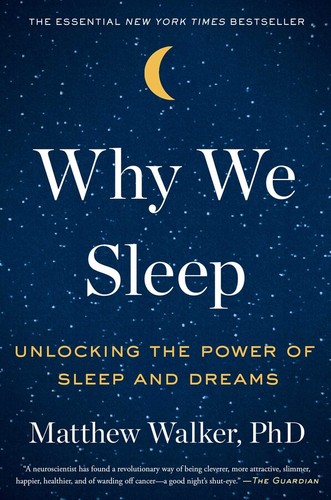
Worth reading? Breath works as science journalism: Nestor plugs his own nose for ten days as an experiment, tours ancient breathing traditions, and translates decades of overlooked research on nasal breathing, CO2 tolerance, and jaw structure into something readable. Compared to Why We Sleep, it covers narrower ground but with the same "one overlooked mechanism explains a lot" energy. It leans on self-experimentation and older studies more than large modern trials, so treat some specific claims skeptically. Skip it if you want a clinical review. Read it if you've never questioned whether you're breathing correctly.
| Full Title | Breath: The New Science of a Lost Art |
|---|---|
| Author | James Nestor |
| Published | 2020 |
| Publisher | Riverhead Books |
| Category | Self-Improvement & Psychology |
| Favorite quote | “No matter what we eat, how much we exercise, how resilient our genes are, how skinny or young or wise we are, none of it will matter unless we're breathing correctly.” |
The Verdict
Nestor’s pitch lands because it’s testable in a weekend: tape your mouth shut at night, breathe slower during the day, and see what changes. The science leans more journalistic than clinical, but the core claim, most people breathe wrong and it costs them more than they realize, holds up.
you mouth-breathe, snore, or want a plain-English tour of why breathing technique actually matters
you want a rigorous clinical trial review -- this is journalism plus self-experimentation, not a meta-analysis
Book Summary
Modern humans have narrower jaws and airways than ancestral humans, largely due to softer, processed diets changing childhood jaw development, and that structural shift makes mouth-breathing and airway problems far more common now than in the past.
Nasal breathing filters, warms, and humidifies air, and adds nitric oxide that supports oxygen uptake, mouth breathing skips all of that. Chronic mouth breathing is linked to worse sleep, more snoring, and even facial structure changes over years.
Breathing slower and less (not more) often improves oxygen efficiency, tolerance to carbon dioxide, not just oxygen intake, turns out to be a major, under-appreciated factor in stress response, endurance, and calm.
Top 8 Lessons from Breath
- Nasal breathing filters, warms, and humidifies air, and adds nitric oxide that helps oxygen uptake, mouth breathing skips all of it.
- Chronic mouth breathing is linked to worse sleep quality, more snoring, and long-term jaw and facial structure changes.
- Modern processed diets softened childhood jaw development, narrowing airways compared to ancestral humans.
- Slower, lighter breathing often improves oxygen efficiency more than deep, fast breathing does.
- CO2 tolerance, not just oxygen intake, is a major factor in stress response and physical endurance.
- Taping your mouth shut at night (carefully) is a low-cost experiment for chronic mouth-breathers and snorers.
- Ancient breathing traditions (pranayama, Tummo) anticipated mechanisms Western science is only now measuring.
- Simply switching to nose breathing during exercise can change how your body handles exertion over time.
Top 3 Quotes from Breath
"No matter what we eat, how much we exercise, how resilient our genes are, how skinny or young or wise we are, none of it will matter unless we're breathing correctly."
James Nestor, Breath
"The mouth was meant for eating, the nose for breathing."
James Nestor, Breath
"Breathing is the missing pillar of health that's been overlooked by science, medicine, and 90 percent of the population."
James Nestor, Breath
Frequently Asked Questions
Is Breath worth reading?
Yes, if you've never questioned your breathing habits. The nasal-vs-mouth breathing case alone is worth the read, though treat specific claims with some skepticism since it leans on older studies and self-experimentation.
What is the main idea of Breath?
Most people chronically mouth-breathe or over-breathe, and correcting that (mainly: breathe through the nose, slower and lighter) improves sleep, stress response, and overall health.
Is Breath scientifically rigorous?
It's science journalism, not a clinical meta-analysis. Nestor draws on real research plus his own self-experiments and ancient traditions, so verify specific medical claims before treating them as settled.
Ready to read it?
Get Breath on Amazon