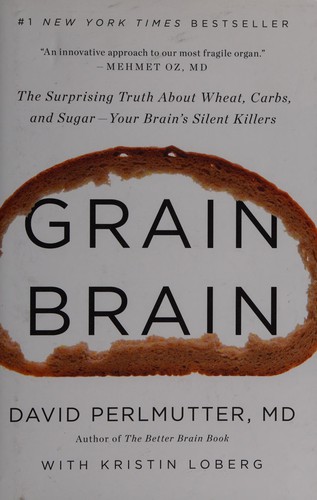
Grain Brain
by David Perlmutter · 2013
Neurologist David Perlmutter argues that carbohydrates, especially wheat and sugar, are a major driver of brain inflammation and neurological decline, and that a low-carb, high-fat diet can protect the brain.
Worth reading? Grain Brain makes a genuinely provocative and, in places, overstated case. Perlmutter's core argument -- that chronic inflammation and blood sugar spikes are bad for the brain, and that reducing refined carbs and sugar can help -- has real support in mainstream research on inflammation and metabolic health. But the book's most attention-grabbing claims, that gluten and carbohydrates broadly are a primary driver of Alzheimer's and other neurological disease, go further than the current evidence supports, and the book has been criticized by other physicians and researchers for that gap.
| Full Title | Grain Brain: The Surprising Truth About Wheat, Carbs, and Sugar -- Your Brain's Silent Killers |
|---|---|
| Author | David Perlmutter |
| Published | 2013 |
| Publisher | Little, Brown and Company |
| Category | Health & Fitness |
The Verdict
Perlmutter is a practicing neurologist, and the parts of the book grounded in inflammation and blood sugar research read as genuinely credible. That’s the honest scientific core underneath everything else.
The trouble is where the book goes past that core – treating gluten and carbohydrates broadly as a primary driver of Alzheimer’s and most neurological disease is a much bigger claim than the evidence supports, and it’s drawn real, public pushback from other physicians and researchers since publication. Read the specific claims with that context, not as settled fact.
Read it if you’re curious about the low-carb argument for brain health from a neurologist’s perspective and you’ll fact-check the boldest claims elsewhere. Skip it if you want mainstream-consensus nutrition science without wading through contested claims.
you're curious about the low-carb argument for brain health and want it from a practicing neurologist's perspective, framed around inflammation and blood sugar
you want mainstream-consensus nutrition science -- Grain Brain's strongest claims (that gluten and carbs are a primary cause of most neurological disease) go well beyond what most neurologists and nutrition researchers accept, and the book has drawn real scientific criticism for overstating its evidence
Book Summary
Perlmutter's central claim is that chronic low-grade brain inflammation, driven in part by high-carbohydrate, high-sugar diets and gluten sensitivity, is a major contributor to neurological conditions ranging from headaches and brain fog to more serious conditions like Alzheimer's disease.
He argues that blood sugar spikes from refined carbohydrates and sugar trigger inflammatory processes that can affect brain function over time, and that a diet lower in carbohydrates and higher in healthy fats can reduce that inflammatory load.
The book recommends a specific eating pattern: minimizing gluten and refined carbohydrates, increasing healthy fats (including saturated fats, a position that was itself controversial at publication), and incorporating regular exercise and sleep as complementary brain-health factors.
Perlmutter's most controversial claims -- that gluten sensitivity is widespread and underdiagnosed, and that carbohydrates are a primary driver of most major neurological disease -- go beyond what mainstream neurology and nutrition science currently support, and other physicians have publicly pushed back on the book's evidentiary claims.
Top 9 Lessons from Grain Brain
- Chronic inflammation is associated in mainstream research with a range of negative health outcomes, including some neurological ones, which is the legitimate scientific foundation under Perlmutter's broader argument.
- Diets high in refined carbohydrates and added sugar are linked to blood sugar spikes, which some research associates with inflammatory processes in the body.
- Reducing refined carbohydrate and added sugar intake, and prioritizing whole foods, is a widely supported general health recommendation independent of Grain Brain's more specific brain-disease claims.
- Perlmutter's claim that gluten sensitivity is widespread and a primary driver of neurological disease in the general population goes beyond current mainstream medical consensus, and readers should treat it as his own strong hypothesis, not settled science.
- The book's framing of carbohydrates broadly as a primary cause of Alzheimer's and other major neurological diseases has drawn direct criticism from other physicians and researchers for overstating the underlying evidence.
- Sleep and exercise are presented as meaningful contributors to brain health alongside diet, a claim with broader scientific support than the book's more specific carbohydrate claims.
- Perlmutter's push for a high-fat, saturated-fat-inclusive diet ran directly against the low-fat nutritional orthodoxy still dominant when the book published in 2013, which is part of why it landed as provocative.
- The book leans on individual case studies and mechanistic reasoning about how inflammation could plausibly affect the brain, rather than the large-scale clinical trials that would be needed to actually prove carbohydrates cause major neurological disease.
- The subtitle's 'silent killers' framing is characteristic of the book's broader pattern: taking a real, more modest finding and packaging it in language built for alarm rather than caution.
Frequently Asked Questions
Is Grain Brain worth reading?
Read it with skepticism -- the underlying inflammation-and-blood-sugar argument has real scientific support, but the book's strongest claims about gluten and carbs causing most neurological disease go beyond mainstream consensus and have drawn direct criticism from other physicians.
What is Grain Brain about?
Neurologist David Perlmutter argues that refined carbohydrates, sugar, and gluten drive chronic brain inflammation, and recommends a low-carb, high-fat diet to protect against neurological decline.
Is Grain Brain scientifically accepted?
Its core inflammation argument has mainstream support, but its central claims linking gluten and carbohydrates to most neurological disease go beyond current evidence and have been criticized by other researchers and physicians.
Does Grain Brain recommend a specific diet?
Yes -- lower carbohydrates and gluten, higher healthy fats, plus exercise and sleep, though readers should weigh the book's most specific medical claims against its mixed scientific reception.
Ready to read it?
Get Grain Brain on Amazon