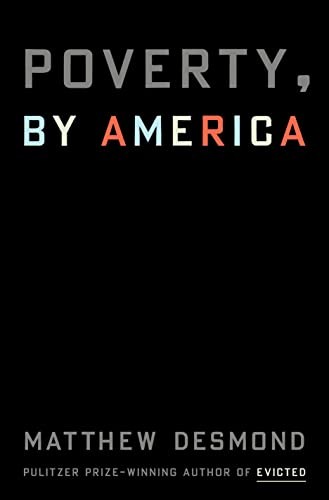
Poverty, by America
by Matthew Desmond · 2023
The follow-up to Evicted that asks who benefits from American poverty, not just who suffers from it.
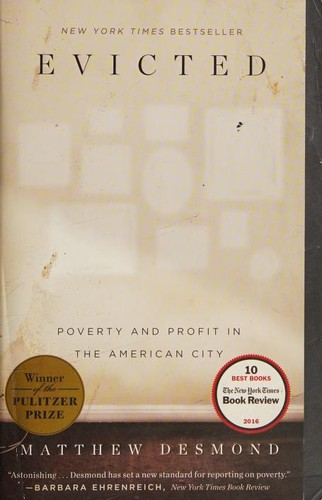
Worth reading? Poverty, by America is Desmond's follow-up to Evicted, and it's a different kind of book on purpose. Evicted was ground-level reporting -- you lived inside a handful of families' housing crises for a year. This one steps back and argues, with data and policy, that American poverty persists not because programs fail but because a large share of everyone else -- exploitative employers, tax-advantaged homeowners, exclusionary zoning boards -- benefits from keeping it that way. It's more polemical and less narrative than Evicted, and it works best as the second book, not the first.
| Author | Matthew Desmond |
|---|---|
| Published | 2023 |
| Category | Sociology & Culture |
| Favorite quote | “There is so much poverty in this land not in spite of our wealth but because of it.” |
The Verdict
Desmond spent Evicted showing you what poverty does to people. Poverty, by America spends its pages arguing why it persists – and the answer he lands on is uncomfortable: because enough of everyone else benefits from it staying that way. Low wages, high fees on the poor, tax breaks concentrated upward, zoning that locks the poor out of better neighborhoods. None of it is accidental, and none of it fixes itself.
It’s a harder read than Evicted in a different way – less heartbreak, more indictment. Read Evicted first for the human stakes, then this one for the argument about who’s responsible.
readers who finished Evicted and want the argument behind the reporting
you want more ground-level narrative reporting like Evicted -- this book is argument, not story
Book Summary
Poverty in America isn't primarily a failure of aid programs -- it's sustained by choices that benefit the non-poor. Low wages, high fees on the poor (overdraft charges, payday loans, rent-to-own), and tax breaks concentrated among homeowners and the wealthy all funnel resources upward.
The American welfare state is larger than people think, but much of it flows to the middle and upper class through the tax code (the mortgage interest deduction, employer health insurance exclusions) rather than to the poor through direct aid -- and that upper-class welfare gets called something other than "welfare."
Exclusionary zoning concentrates poverty geographically by keeping affordable housing out of opportunity-rich neighborhoods, which compounds disadvantage across generations.
Ending poverty requires the nonpoor to accept some material sacrifice -- lower returns on certain investments, higher taxes, less zoning control -- because the current system isn't neutral; it actively transfers value away from the poor.
Top 8 Lessons from Poverty, by America
- American poverty is sustained partly because it benefits people who aren't poor.
- The poor pay more for basic services -- banking, credit, housing -- than the middle class does for the same things.
- Government aid to the middle and upper class (tax deductions, subsidies) is rarely labeled 'welfare,' even though it's larger than aid to the poor.
- Exclusionary zoning keeps affordable housing out of opportunity-rich areas, concentrating disadvantage.
- Corporate wage suppression and weak labor power push more workers into poverty than most policy debates acknowledge.
- Poverty reduction requires the nonpoor to give something up, not just fund more programs.
- Poverty is as much a design choice embedded in policy as it is an individual circumstance.
- Desmond argues for 'poverty abolition' -- treating poverty as an engineered condition that can be dismantled, not an inevitability.
Top 5 Quotes from Poverty, by America
"This is who we are: the richest country on earth, with more poverty than any other advanced democracy."
Matthew Desmond, Poverty, by America
"Vocal segments of the American public, those with brain space to spare, seem to believe the poor should change their behavior to escape poverty. Get a better job. Stop having children. Make smarter financial decisions. In truth, it's the other way around: Economic security leads to better choices."
Matthew Desmond, Poverty, by America
"By one estimate, simply collecting unpaid federal income taxes from the top 1 percent of households would bring in some $175 billion a year. We could just about fill the entire poverty gap in America if the richest among us simply paid all the taxes they owed."
Matthew Desmond, Poverty, by America
"Being poor reduces a person's cognitive capacity more than going a full night without sleep. When we are preoccupied by poverty, we have less mind to give to the rest of life."
Matthew Desmond, Poverty, by America
"There is so much poverty in this land not in spite of our wealth but because of it."
Matthew Desmond, Poverty, by America
Frequently Asked Questions
Is Poverty, by America worth reading?
Yes, especially after Evicted. It's a more argumentative, policy-focused book that explains the structural forces Evicted showed you at ground level -- who benefits when poverty persists, and why.
What is the main argument of Poverty, by America?
American poverty isn't just a failure to help the poor -- it's actively sustained because employers, landlords, banks, and tax-advantaged homeowners benefit from the current arrangement. Ending it requires the nonpoor to accept real sacrifice.
How is Poverty, by America different from Evicted?
Evicted is narrative reporting -- you follow real families through eviction over a year. Poverty, by America is argument and policy analysis, built on data rather than a small set of personal stories. Read Evicted first if you want the human stakes before the argument.
Who should read Poverty, by America?
Readers who want to understand the systemic causes of poverty, not just its human toll. Skip it if you're looking for the narrative, character-driven style of Evicted -- this book trades story for argument.
Ready to read it?
Get Poverty, by America on Amazon