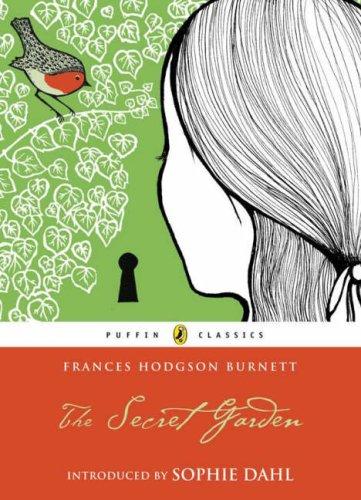
The Secret Garden
by Frances Hodgson Burnett · 1911
A sour, neglected orphan finds a locked garden and grows into a person by bringing it back to life.
Worth reading? This holds up better than most Edwardian children's fiction because the healing isn't magic, it's just fresh air, purpose, and friendship, done patiently. If you want a garden book with a more explicit magical element, try something like The Wizard of Oz instead -- this one keeps its feet on the ground even while it's making a fairly big emotional argument.
| Author | Frances Hodgson Burnett |
|---|---|
| Published | 1911 |
| Publisher | Puffin Classics |
| Category | Fiction |
| Favorite quote | “If you look the right way, you can see that the whole world is a garden.” |
The Verdict
The trick this book pulls off is making the healing feel earned instead of magical – Mary and Colin get better because they dig, plant, argue, and spend time outside, not because of a fairy godmother moment. Burnett trusts that a slow build pays off, and it does.
Skip it if you need momentum from page one – Mary is genuinely unpleasant for the first stretch, on purpose. But once the garden opens, the book’s argument (that purpose and connection are real medicine) still lands, over a century later.
you want a warm, well-built children's classic about healing through nature and purpose, without modern sentimentality laid on top
you want fast pacing -- the first third is deliberately slow, following Mary's isolation and unpleasantness before the garden (and the plot) opens up
Book Summary
Mary Lennox, orphaned and neglected in colonial India, is shipped to her uncle's isolated Yorkshire manor, where she's as unwanted and unloved as she is unpleasant. She discovers a locked garden, abandoned since her aunt's death a decade earlier, and a hidden cousin, Colin, who's been raised to believe he's a dying invalid. Reviving the garden in secret becomes the mechanism that revives both children.
Burnett's core idea is that neglect, not constitution, made Mary sour and Colin sickly -- fresh air, purpose, friendship, and useful work (digging, planting, tending) do more for both kids than any doctor or governess did. It's a very physical, unsentimental theory of healing: you get better by doing something, not by being cared for passively.
The garden itself works as a symbol without being heavy-handed about it -- something locked away and left to die can be brought back with patient, unglamorous daily effort, and the same is true of the children tending it.
Top 8 Lessons from The Secret Garden
- Mary's transformation from sour and demanding to curious and kind is driven by purposeful outdoor work, not by anyone lecturing her into good behavior.
- Colin's supposed invalidism turns out to be largely psychological, sustained by adults who expect him to be sick -- what he's told about himself becomes what he believes.
- The locked, neglected garden mirrors both children -- something abandoned that responds to patient daily tending rather than one big fix.
- Ben Weatherstaff and Dickon, the working-class characters, are treated as wiser and more trustworthy than most of the wealthy adults in the house.
- Physical activity and fresh air are presented as genuinely restorative, not just old-fashioned advice -- the book takes them seriously as treatment.
- Mary's colonial-India upbringing, where servants did everything for her, is shown as part of what made her incapable of caring for herself or others.
- Secrecy gives the children ownership -- the garden matters more to them because it's theirs and hidden, not assigned or supervised.
- Colin's father's grief, which kept him away from his son for a decade, shows how untreated grief can damage the people around the grieving person.
Top 4 Quotes from The Secret Garden
"Where you tend a rose, my lad, a thistle cannot grow."
Frances Hodgson Burnett, The Secret Garden
"If you look the right way, you can see that the whole world is a garden."
Frances Hodgson Burnett, The Secret Garden
"One of the strange things about living in the world is that it is only now and then one is quite sure one is going to live forever and ever and ever."
Frances Hodgson Burnett, The Secret Garden
"Might I have a bit of earth?"
Frances Hodgson Burnett, The Secret Garden
Frequently Asked Questions
Is The Secret Garden worth reading?
Yes -- it's a well-constructed children's classic with a genuinely moving arc, and the slow start pays off once the garden opens up.
Is The Secret Garden just for kids?
It's shelved as children's fiction, but the themes of grief, neglect, and healing through purposeful work land for adult readers too.
What is the main theme of The Secret Garden?
That neglect and isolation, not constitution, are what damage people -- and that purpose, fresh air, and connection can undo a lot of that damage.
Is The Secret Garden slow to start?
Yes, deliberately -- the first third follows Mary's isolation and unpleasant personality before the garden and the plot open up.
Ready to read it?
Get The Secret Garden on Amazon