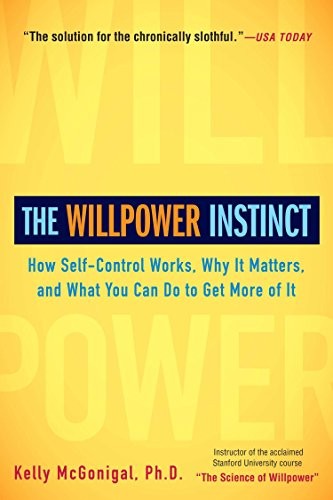
The Willpower Instinct
by Kelly McGonigal · 2011
Willpower is a finite, trainable resource, not a personality trait -- this is the training manual.
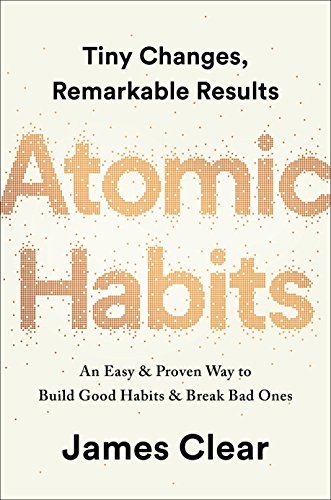
Worth reading? The Willpower Instinct grew out of a Stanford course, and it reads like one: dense, well-organized, one willpower "experiment" and self-control mechanism per chapter. Read it if you want to actually understand why willpower fails (stress, sleep loss, the "what the hell" effect after a slip) rather than just be told to try harder. McGonigal's later book, The Upside of Stress, complicates some of this book's assumptions about stress as pure depletion, so reading them in order is worth doing. Skip it if you want James Clear's tighter, more immediately actionable system. This book is closer to a course than a quick-start guide, and it rewards patience more than Atomic Habits does.
| Full Title | The Willpower Instinct: How Self-Control Works, Why It Matters, and What You Can Do to Get More of It |
|---|---|
| Author | Kelly McGonigal |
| Published | 2011 |
| Publisher | Avery |
| Category | Self-Improvement & Psychology |
| Favorite quote | “The single most common reason for self-control failure is not really a mystery: we forget what we really want.” |
The Verdict
McGonigal built this out of an actual Stanford class, and it shows in the structure – one mechanism, one experiment, one week at a time. It’s slower than most habit books, but you walk away actually understanding why “just try harder” was never going to work at 11pm after a bad day.
you keep 'failing' at self-control and want to understand the mechanism, not just try harder
you want quick habit hacks -- this reads like a semester of psychology lectures, because it started as one
Book Summary
Willpower isn't one thing, it's three: "I will" power (doing the hard thing), "I won't" power (resisting temptation), and "I want" power (remembering what you actually care about). Most self-control failures are really failures of the third kind -- you forget what you want in the moment temptation shows up.
Willpower draws on a shared, limited resource that's also used by stress, sleep, and blood sugar regulation, which is why willpower failures cluster at the end of a long, stressful day rather than being randomly distributed. Protecting that resource (sleep, food, stress management) is as important as any "resist temptation" tactic.
Guilt and self-criticism after a slip make the next slip more likely, not less -- self-compassion, paradoxically, produces better self-control than self-punishment. The "what the hell" effect (one cookie becomes the whole bag because you've already "failed") is a predictable trap, and understanding it is the first step to avoiding it.
Top 8 Lessons from The Willpower Instinct
- Willpower has three faces: I will, I won't, and I want -- most failures are forgetting the I want.
- Stress, poor sleep, and low blood sugar all drain the same willpower resource.
- Self-criticism after a slip predicts more slips, not fewer -- self-compassion works better.
- The 'what the hell' effect turns one small slip into a total binge -- naming it helps you catch it.
- Meditation measurably strengthens the brain regions involved in self-control over time.
- Willpower failures cluster at the end of long, depleting days, not randomly.
- Delaying a craving by even ten minutes changes whether you act on it.
- Watching someone else exert self-control can actually deplete your own willpower.
Top 3 Quotes from The Willpower Instinct
"The single most common reason for self-control failure is not really a mystery: we forget what we really want."
Kelly McGonigal, The Willpower Instinct
"Self-control is like a muscle in only one way: using it can temporarily tire it out."
Kelly McGonigal, The Willpower Instinct
"Guilt and shame are far more likely to lead to poor self-control than any kind of celebration or reward."
Kelly McGonigal, The Willpower Instinct
Frequently Asked Questions
Is The Willpower Instinct worth reading?
Yes, if you want to understand the mechanics of self-control -- why it fails under stress, sleep loss, and guilt -- rather than just get told to try harder. It's more academic than a quick-tips book.
What is the main idea of The Willpower Instinct?
Willpower is a limited, shared resource (not a fixed trait) that's drained by stress and poor sleep, and self-compassion after a slip protects it better than self-criticism does.
How long does it take to read The Willpower Instinct?
About 6 hours. It's 288 pages, organized as a ten-week course with an experiment per chapter.
Should I read The Willpower Instinct or The Upside of Stress first?
Read The Willpower Instinct first. It treats stress mainly as a resource-drain to manage; The Upside of Stress, written later, complicates that view and is worth reading second.
Ready to read it?
Get The Willpower Instinct on Amazon