Lindy List: 8 Psychology Books That Still Explain You

Updated July 10, 2026 · 8 books

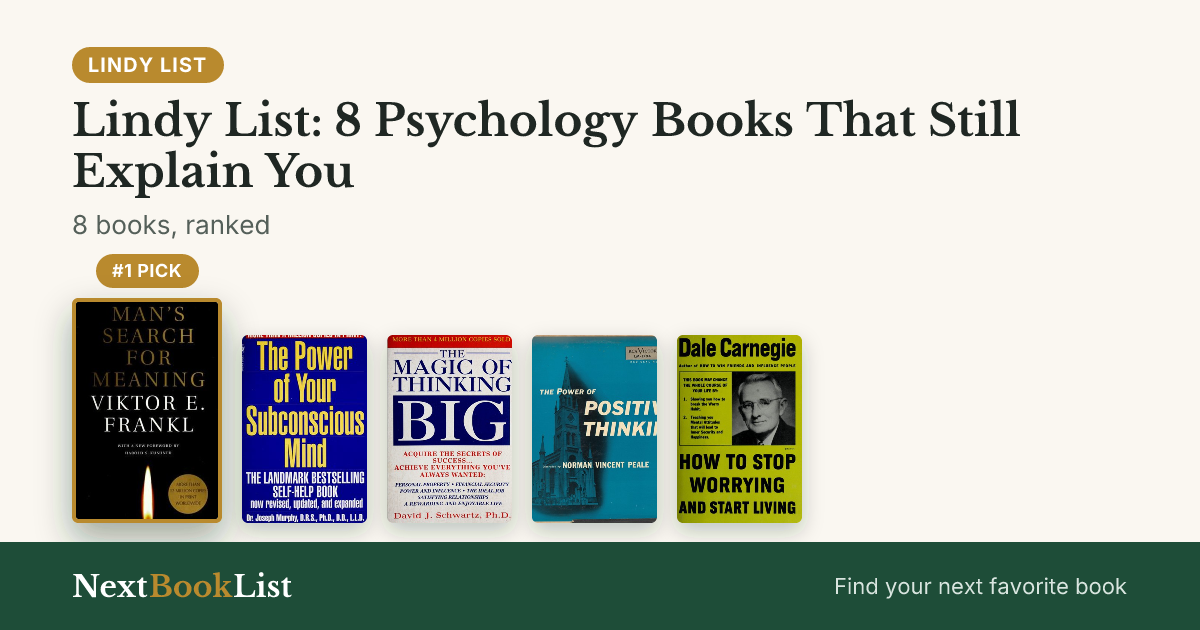
Lindy List: 8 Psychology Books That Still Explain You: ranked list of 8 books

Most psychology books have a short half-life, last year’s breakthrough is usually this year’s correction. That’s why a “Lindy psychology” list is almost an oxymoron: the genre is young and most of its blockbusters are barely old enough to drive.

We held this list to the standard: roughly 50 years of continuous readership, or an idea that was already old when the book appeared. Only three books in the catalog clear it. That’s not a knock on modern psychology, it’s just honest, most of it hasn’t had time to be wrong yet.

Start with Man’s Search for Meaning if you want the book that changed how the 20th century thought about suffering and purpose. Read the other two as the popular ancestors of every “change your mindset” book on the new-release shelf.

The genre warning: popular psychology sells certainty the underlying science doesn’t have. These three have earned their durability the slow way, by staying in print for generations, not by topping a chart for one season.

Quick Comparison

#BookBest for
1Man's Search for MeaningViktor E. Franklanyone facing suffering they can't change, which is eventually everyoneAmazon
2The Power of Your Subconscious MindJoseph Murphyreaders open to a faith-meets-psychology approach to self-beliefAmazon
3The Magic of Thinking BigDavid J. Schwartzanyone stuck in small-thinking habits who needs an old-school confidence joltAmazon
4The Power of Positive ThinkingNorman Vincent PealeRead it if you're held back by anxiety and want the original, gentle, faith-and-mind version of 'change your thinking, change your life.'Amazon
5How to Stop Worrying and Start LivingDale CarnegieRead it if your worry is chronic and you want simple, old-school, proven methods rather than a clinical diagnosis.Amazon
6The Art of LovingErich FrommRead it if your relationships keep failing and you suspect the problem is you, not your luck in partners.Amazon
7Psycho-CyberneticsMaxwell MaltzRead it if you intellectually know you should be more confident but your self-image keeps sabotaging you.Amazon
8See You at the TopZig ZiglarRead it if you respond to warm, story-driven motivation and want the original, pre-guru version of 'set a goal and believe you'll hit it.'Amazon

The Books

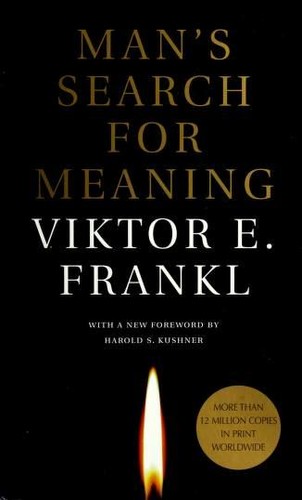
Man's Search for Meaning by Viktor E. Frankl book cover

1. Man's Search for Meaning

Viktor E. Frankl · 1946

A psychiatrist survives the camps and emerges with one claim: meaning, not happiness, keeps people alive.

Half memoir of Auschwitz, half introduction to logotherapy. Frankl’s observation (those who had a why survived the how) has carried this book through nearly eighty years and dozens of languages. Between stimulus and response there is a space, and in that space is your freedom. Short enough to read in two sittings. Stays with you for decades.

Read it if: anyone facing suffering they can't change, which is eventually everyone

Skip it if: nobody. If one book on this site is unskippable, it's this one.
Full verdict: Man's Search for Meaning →

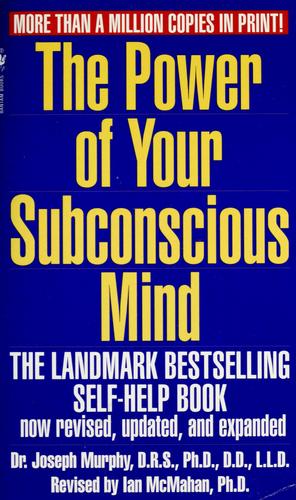
The Power of Your Subconscious Mind by Joseph Murphy book cover

2. The Power of Your Subconscious Mind

Joseph Murphy · 1963

The 1963 classic on reprogramming the deeper mind to work for your goals.

Murphy’s Power of Your Subconscious Mind is a mid-century self-help staple: visualize, affirm, and let the deeper mind deliver. The science is shaky, but the placebo of practiced belief helps many. Skip it if you need rigor over ritual.

Read it if: readers open to a faith-meets-psychology approach to self-belief

Skip it if: you want evidence-based psychology, not spiritual suggestion

Full verdict: The Power of Your Subconscious Mind →

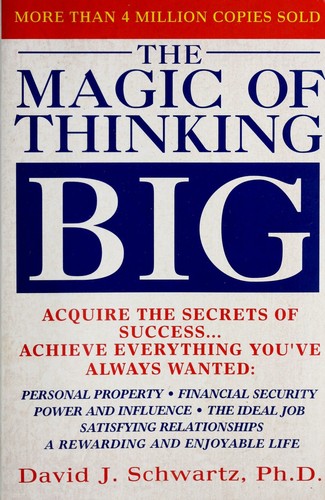
The Magic of Thinking Big by David J. Schwartz book cover

3. The Magic of Thinking Big

David J. Schwartz · 1959

The 1959 classic that says your accomplishments are capped by the size of your thinking.

Schwartz’s Magic of Thinking Big is dated but effective: aim high, expect success, watch your words and associations. It’s self-help predating the genre’s fluff, so it’s practical despite the era. Skip it if you already run big and just need systems.

Read it if: anyone stuck in small-thinking habits who needs an old-school confidence jolt

Skip it if: you already set ambitious goals and want specifics, not motivation

Full verdict: The Magic of Thinking Big →

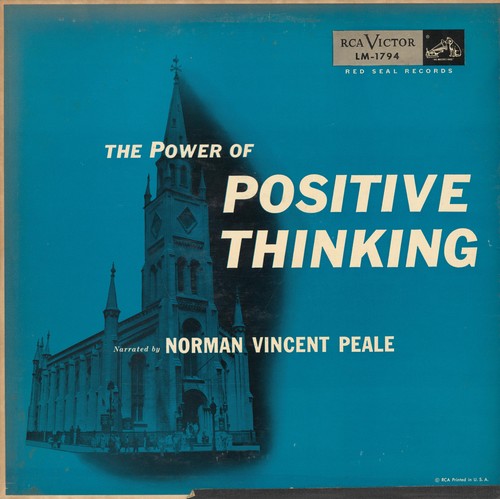
The Power of Positive Thinking by Norman Vincent Peale book cover

4. The Power of Positive Thinking

Norman Vincent Peale · 1952

The 1952 bestseller that taught millions to replace fear with belief, and launched the entire self-help genre that followed.

Peale’s 1952 bestseller is the trunk of the entire self-help tree, the original popular case that your inner monologue is a habit you can change. 70 years of reprints and a whole genre descended from it.

Read it if: Read it if you're held back by anxiety and want the original, gentle, faith-and-mind version of 'change your thinking, change your life.'

Skip it if: Skip it if you're allergic to religious framing or want evidence-based cognitive science. Peale predates the science and leans on faith.

Full verdict: The Power of Positive Thinking →

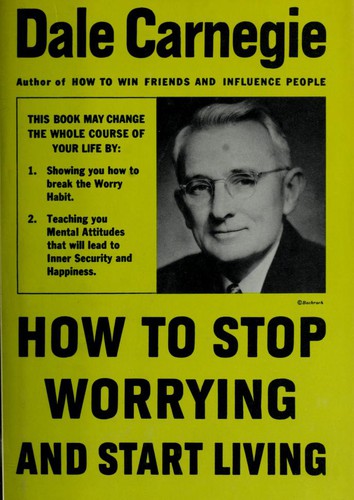
How to Stop Worrying and Start Living by Dale Carnegie book cover

5. How to Stop Worrying and Start Living

Dale Carnegie · 1948

Carnegie's 1948 antidote to anxiety: a set of plain, repeatable habits for not letting your mind torture you about tomorrow.

Carnegie’s 1948 companion to How to Win Friends tackles anxiety with plain, repeatable habits, live in day-tight compartments, face the worst case, stay busy. 75 years of print and the worry problem hasn’t changed.

Read it if: Read it if your worry is chronic and you want simple, old-school, proven methods rather than a clinical diagnosis.

Skip it if: Skip it if you need actual therapy for clinical anxiety. This is practical self-help, not a substitute for treatment.

Full verdict: How to Stop Worrying and Start Living →

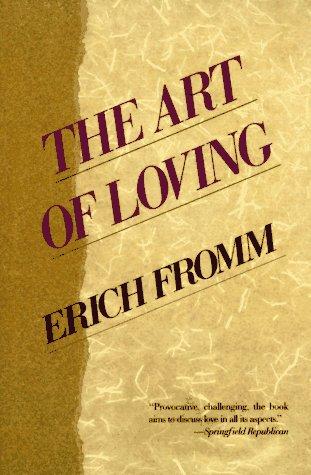
The Art of Loving by Erich Fromm book cover

6. The Art of Loving

Erich Fromm · 1956

Fromm's argument that love isn't a feeling you fall into, it's a skill you practice, and most people fail at it because they treat it as a passive state.

Fromm’s 1956 argument, love is a practiced skill, not a feeling you fall into, has been in print for 70 years because the problem it names is permanent. Most people wait to be loved instead of learning to love.

Read it if: Read it if your relationships keep failing and you suspect the problem is you, not your luck in partners.

Skip it if: Skip it if you want a warm, easy read about romance. Fromm is a psychoanalyst with a thesis, and it's challenging.

Full verdict: The Art of Loving →

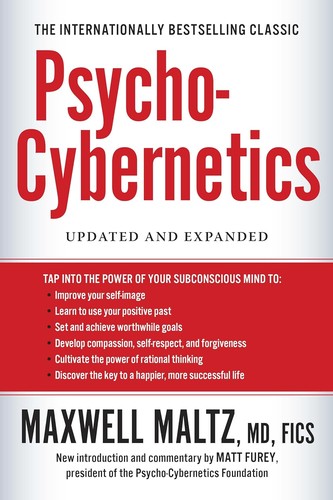
Psycho-Cybernetics by Maxwell Maltz book cover

7. Psycho-Cybernetics

Maxwell Maltz · 1960

A plastic surgeon's discovery that fixing the face didn't fix the self-image, so he reverse-engineered how the mind actually rewrites itself.

Maltz’s 1960 classic, written by a plastic surgeon who noticed the face wasn’t the lever, the self-image was, is the hidden ancestor of every visualization and self-image technique since. 60+ years and still in print.

Read it if: Read it if you intellectually know you should be more confident but your self-image keeps sabotaging you.

Skip it if: Skip it if you want hard science. Maltz was a surgeon, not a researcher, and the 'cybernetics' framing is a 1960s metaphor, not a mechanism.

Full verdict: Psycho-Cybernetics →

See You at the Top by Zig Ziglar book cover

8. See You at the Top

Zig Ziglar · 1977

Zig Ziglar's 1977 gospel of goal-setting and positive attitude, the most quotable motivational speaker America ever produced.

Ziglar’s 1977 classic is the root text of modern motivational speaking, warm, story-driven, and built on goals, self-image, and service. Nearly 50 years on, it’s still the book people hand a struggling friend.

Read it if: Read it if you respond to warm, story-driven motivation and want the original, pre-guru version of 'set a goal and believe you'll hit it.'

Skip it if: Skip it if you're cynical about cheerleading or want evidence-based productivity. Zig sells inspiration, not a system.

Full verdict: See You at the Top →

Frequently Asked Questions

Why are there only three books on a psychology Lindy list?

Because true Lindy psychology is rare. The field is young and most of its famous books, Thinking Fast and Slow, Predictably Irrational, Nudge, Quiet, Mindset, are from the last 20 years. A book needs about 50 years of continuous readership to earn this list, and almost none of modern pop-psychology has it yet. These three do.

What is the most important book here?

Man's Search for Meaning (1946). Viktor Frankl wrote it after surviving the Holocaust, and the core claim, that you can't always choose your circumstances but you can choose your response, has anchored a huge share of later self-help and therapy. It's the root text of meaning-centered psychology.

Is The Power of Your Subconscious Mind legit psychology?

It's New Thought more than clinical psychology, but it's been in continuous print since 1963 and shaped how millions think about self-suggestion and belief. Read it as popular mind-literature with a 60-year track record, not as a textbook.

Why include The Magic of Thinking Big?

Because Schwartz (1959) nailed the mechanism modern books still repackage: aim higher than feels comfortable, and your behavior follows. It's been selling for 65 years, which is more than can be said for the productivity fad of any given year.

Should I wait for modern psychology to age before reading it?

No, read the new stuff too. But treat this list as the foundation and the recent bestsellers as commentary. When a 2010s book is still selling in 2070, it can join.

Keep Reading