Best Behavioral Economics Books: 6 Ranked by How Counterintuitive They Get

Updated July 16, 2026 · 6 books

Best Behavioral Economics Books: 6 Ranked by How Counterintuitive They Get: ranked list of 6 books

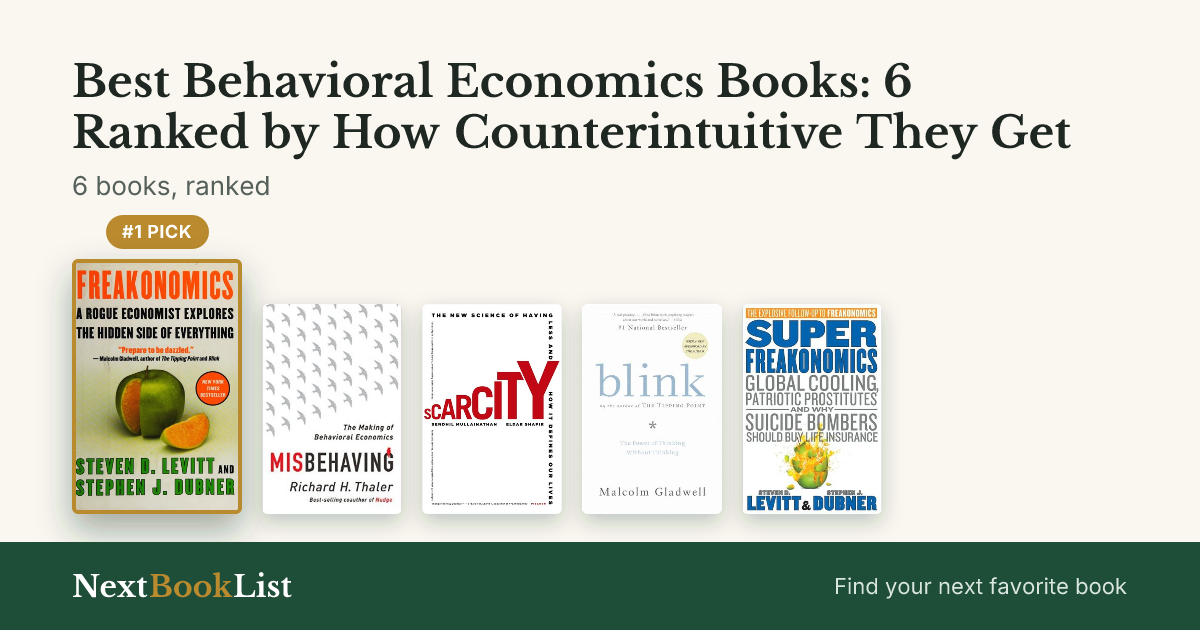
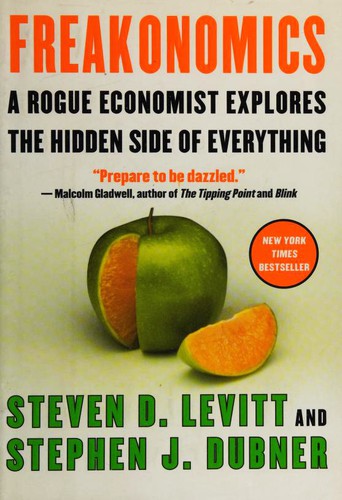
The best behavioral economics book to start with is Freakonomics, because it’s the one that made the field readable in the first place. Steven Levitt and Stephen Dubner take an economist’s obsession with incentives and point it at questions that have nothing to do with markets, teacher cheating scandals, drug dealer economics, and it holds up because the reasoning is the product, not the trivia.

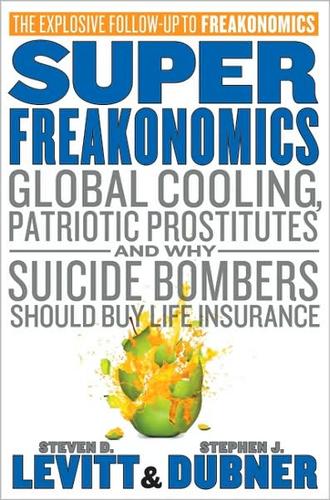
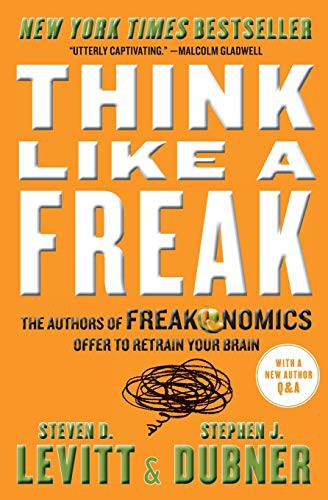
If Freakonomics hooks you, know before you buy: SuperFreakonomics and Think Like a Freak are the same two authors running the same trick on new material. Neither is bad, but neither is essential once you’ve got the method down from book one. Most readers should stop at one.

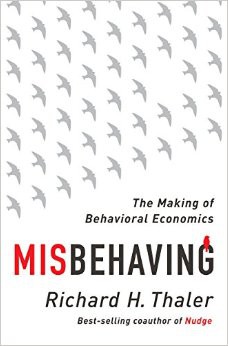
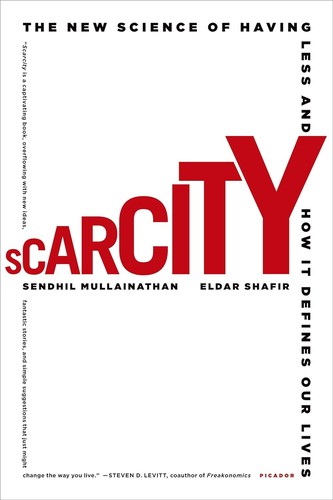
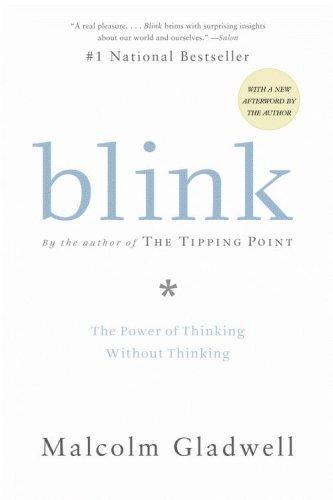
For the actual academic backbone, read Misbehaving. Richard Thaler won the Nobel for this work, and his own account of how behavioral economics fought its way into a discipline built on rational-actor models is more substantial than anything in the Freakonomics trilogy. Pair it with Scarcity, Sendhil Mullainathan and Eldar Shafir’s research on how having too little money or too little time actually narrows your thinking, not just your options. Blink rounds things out from a different angle: Gladwell on how snap judgment works, which sits close enough to the scarcity and bias research here to earn its place without repeating it.

One warning: this genre loves a clever anecdote more than a replicated finding. Several of the studies that made behavioral economics famous in the 2000s and 2010s have had rocky replications since. Read these books for the way of thinking, not as a settled catalog of facts about human behavior.

Quick Comparison

#BookBest for
1FreakonomicsSteven D. Levittanyone weighing whether Freakonomics belongs on their business and money shelfAmazon
2MisbehavingRichard H. Thaleryou want the origin story of behavioral economics from the economist who fought the field's rational-actor orthodoxy from inside itAmazon
3ScarcitySendhil Mullainathan & Eldar Shafiryou want to understand why busy, broke, or lonely people make worse decisions -- and it's not about willpowerAmazon
4BlinkMalcolm Gladwellyou make fast, high-stakes calls (hiring, triage, negotiation) and want to know when to trust your first readAmazon
5SuperfreakonomicsSteven D. Levittanyone weighing whether Superfreakonomics belongs on their business and money shelfAmazon
6Think Like a FreakSteven D. Levittanyone weighing whether Think Like a Freak belongs on their self-improvement and psychology shelfAmazon

The Books

Freakonomics by Steven D. Levitt book cover

1. Freakonomics

Steven D. Levitt · 2005

Steven D. Levitt's take on business, the honest verdict is below.

Levitt and Dubner prove economics is just the study of incentives applied to anything, sumo, drugs, baby names. Read it before you trust any ‘common sense’ social claim; skip it if you hate playful stats, because that’s the whole vibe.

Read it if: anyone weighing whether Freakonomics belongs on their business and money shelf

Skip it if: you want a different angle than Steven D. Levitt's
Full verdict: Freakonomics →

Misbehaving by Richard H. Thaler book cover

2. Misbehaving

Richard H. Thaler · 2015

The Nobel laureate who spent a career annoying classical economists by proving people don't behave the way their models say.

Thaler spent decades getting told his findings were interesting anomalies, not real economics – right up until behavioral economics won a Nobel Prize. Misbehaving is his own account of that fight, and it reads more like a memoir than a textbook.

Read it if: you want the origin story of behavioral economics from the economist who fought the field's rational-actor orthodoxy from inside it

Skip it if: you want a practical nudge-your-life-choices guide -- read Nudge instead, this is the history and the fight, not a how-to

Full verdict: Misbehaving →

Scarcity by Sendhil Mullainathan & Eldar Shafir book cover

3. Scarcity

Sendhil Mullainathan & Eldar Shafir · 2013

Poverty isn't a character flaw -- it's a bandwidth tax that makes everyone worse at thinking.

Mullainathan and Shafir take a question that sounds obvious – why do poor people make decisions that seem to keep them poor – and show it’s the wrong question. It’s not about the poor. It’s about anyone under scarcity, of anything. The book earns that claim with experiments, not just theory, which is why it holds up better than the usual “poverty mindset” takes you’ve heard before.

Read it if: you want to understand why busy, broke, or lonely people make worse decisions -- and it's not about willpower

Skip it if: you're looking for a productivity book with action steps rather than a behavioral-economics argument

Full verdict: Scarcity →

Superfreakonomics by Steven D. Levitt book cover

5. Superfreakonomics

Steven D. Levitt · 2009

Steven D. Levitt's take on business, the honest verdict is below.

Levitt and Dubner’s second round of ‘the hidden side of everything,’ weirder and more trivia-driven than the first. Read it for fun on a plane, not for a coherent thesis. Skip it if you wanted Freakonomics’s tighter argument, this one wanders.

Read it if: anyone weighing whether Superfreakonomics belongs on their business and money shelf

Skip it if: you want a different angle than Steven D. Levitt's
Full verdict: Superfreakonomics →

Think Like a Freak by Steven D. Levitt book cover

6. Think Like a Freak

Steven D. Levitt · 2014

Steven D. Levitt's take on self-improvement, the honest verdict is below.

The Freakonomics duo teach their problem-solving mindset directly. Fun and useful for retraining how you frame questions; skip if you’ve already read their other books, since the flavor overlaps heavily.

Read it if: anyone weighing whether Think Like a Freak belongs on their self-improvement and psychology shelf

Skip it if: you want a different angle than Steven D. Levitt's
Full verdict: Think Like a Freak →

Frequently Asked Questions

What is the best behavioral economics book to start with?

Freakonomics. Steven Levitt and Stephen Dubner built the whole modern wave of pop behavioral economics off this one book, and it's still the sharpest entry point: real incentives explain weirder things than culture or morality usually gets credit for.

Do I need to read SuperFreakonomics and Think Like a Freak too?

No. They're the same duo running the same method on new questions, and the method is what you're actually buying. Read Freakonomics, and only pick up the sequels if you want more examples in the same voice rather than a new idea.

What's the difference between Freakonomics and Misbehaving?

Freakonomics applies economic thinking to strange real-world questions. Misbehaving, written by Nobel winner Richard Thaler, is the origin story of behavioral economics as a field, how a small group of academics spent decades proving that people don't act like the rational agents in economic models. Read Misbehaving if you want the theory behind the trend, not just the trend.

Is Blink a behavioral economics book?

Not strictly, it's Malcolm Gladwell on snap judgment and intuition. But it shares enough DNA with Scarcity and Misbehaving, how the brain actually decides under pressure, that it earns a spot here as a natural pairing rather than a duplicate.

Keep Reading