Best Books on Procrastination: 6 Ranked by Root Cause

Updated July 12, 2026 · 6 books

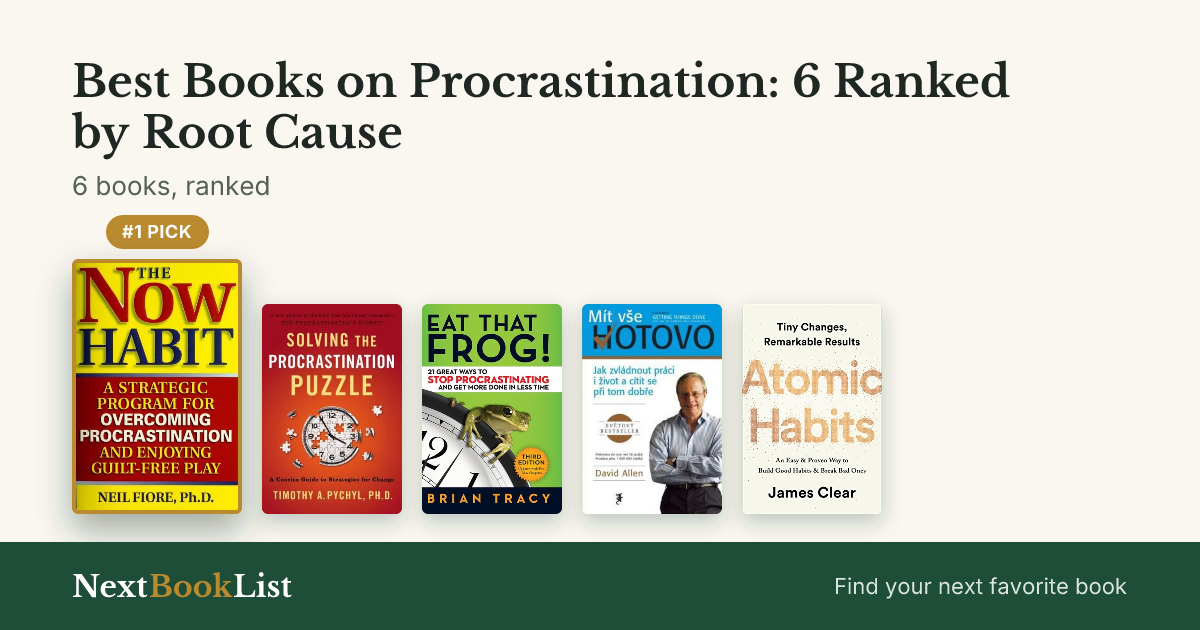
Best Books on Procrastination: 6 Ranked by Root Cause: ranked list of 6 books

Procrastination has more than one cause, so the best book depends on which one is yours. If it’s fear-driven – avoiding a task because failing at it (or doing it imperfectly) feels threatening – The Now Habit is the deepest treatment on this list, and its “schedule guilt-free play first” technique is genuinely counterintuitive in a useful way.

Want the research in the shortest possible form: Solving the Procrastination Puzzle is under 100 pages and reframes procrastination as mood repair, not laziness. Want a same-day fix you can apply immediately: Eat That Frog is one blunt idea, well executed. Procrastinating because your task list itself feels overwhelming and untrustworthy: Getting Things Done fixes the underlying system. Atomic Habits and The Willpower Instinct close the list out – one builds environments where you don’t need willpower to start, the other explains why willpower alone was never going to be enough.

One warning: procrastinating on choosing which procrastination book to read is, itself, procrastination. Pick the one that matches your actual pattern and start today.

Quick Comparison

#BookBest for
1The Now HabitNeil Fioreyou procrastinate out of fear or perfectionism specifically, and want the psychology behind it, not just a task-prioritization trickAmazon
2Solving the Procrastination PuzzleTimothy A. Pychylyou want the current research on procrastination in the shortest possible form, from someone who's studied it since 1995Amazon
3Eat That Frog!Brian Tracyyou want a short, no-nonsense procrastination fix without committing to a full system like GTDAmazon
4Getting Things DoneDavid Allenyour to-do list lives in your head and it's stressing you out, you want a complete external system insteadAmazon
5Atomic HabitsJames Clearanyone who wants a practical system for building habits, not just motivationAmazon
6The Willpower InstinctKelly McGonigalyou keep 'failing' at self-control and want to understand the mechanism, not just try harderAmazon

The Books

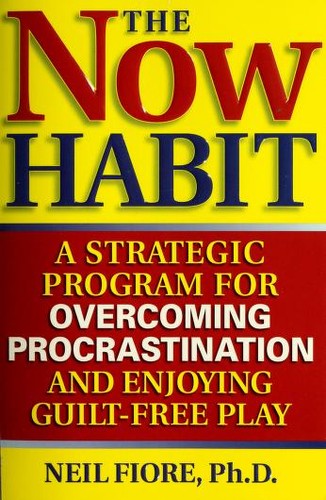
The Now Habit by Neil Fiore book cover

1. The Now Habit

Neil Fiore · 1988

A psychologist's clinical program for procrastination, built on a counterintuitive premise: scheduling guilt-free play, not forcing more work, is what actually breaks the cycle.

Fiore’s background as a clinical psychologist shows in how seriously he treats the fear underneath procrastination rather than dismissing it as a willpower gap. The Unschedule technique, guaranteeing play before demanding work, is the kind of counterintuitive idea that’s easy to dismiss until you actually try it on a task you’ve been avoiding for weeks.

Read it if: you procrastinate out of fear or perfectionism specifically, and want the psychology behind it, not just a task-prioritization trick

Skip it if: you want a quick tactical fix, this is a fuller psychological program addressing underlying fear and guilt, closer to a workbook than a single technique
Full verdict: The Now Habit →

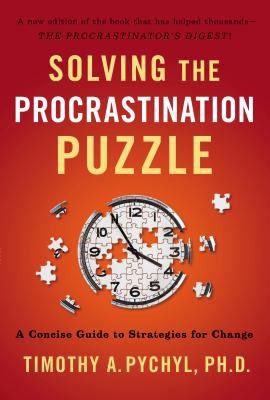
Solving the Procrastination Puzzle by Timothy A. Pychyl book cover

2. Solving the Procrastination Puzzle

Timothy A. Pychyl · 2013

A procrastination researcher's short, evidence-based guide, the academic counterweight to the genre's longer, more anecdotal books.

Pychyl doesn’t pad this out – it’s built to be read in one sitting and then acted on, which is fitting for a book about closing the gap between intention and action. If you want the research-backed core of procrastination psychology without committing to a longer program, this is the fastest path there.

Read it if: you want the current research on procrastination in the shortest possible form, from someone who's studied it since 1995

Skip it if: you want depth and case studies, this is deliberately concise (under 100 pages), a guide rather than a deep-dive; The Now Habit covers similar ground with more clinical narrative

Full verdict: Solving the Procrastination Puzzle →

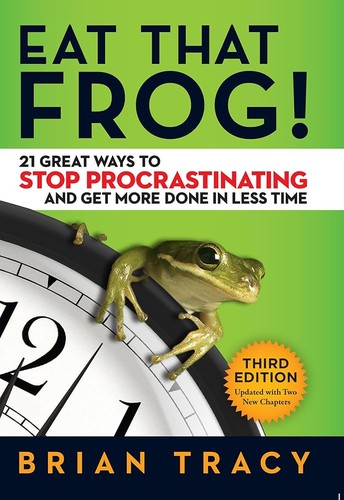
Eat That Frog! by Brian Tracy book cover

3. Eat That Frog!

Brian Tracy · 2001

One idea, stretched into 21 short chapters: do the hardest, most important task first, before anything else can distract you from it.

Tracy doesn’t overcomplicate a simple idea, which is exactly the point – this is the book to hand someone who finds GTD’s full system intimidating and just needs one habit to actually change tomorrow morning. Read the first few chapters for the core idea; the rest is repetition and reinforcement more than new material.

Read it if: you want a short, no-nonsense procrastination fix without committing to a full system like GTD

Skip it if: you already practice 'most important task first' consistently, there isn't much new material once you've got the core idea

Full verdict: Eat That Frog! →

Getting Things Done by David Allen book cover

4. Getting Things Done

David Allen · 2001

The productivity system that turned 'get it out of your head and onto paper' into a five-step method millions still swear by.

Allen’s core claim, that an unresolved commitment nags at you whether or not you’re thinking about it, is genuinely testable in your own life within a day of trying the capture step. The full system asks for real discipline to maintain, especially the weekly review, so treat this as a framework to adapt rather than a rulebook to follow exactly.

Read it if: your to-do list lives in your head and it's stressing you out, you want a complete external system instead

Skip it if: you want a light, minimal system. GTD has real setup overhead (folders, lists, weekly reviews) and it's easy to spend more time maintaining it than doing the work

Full verdict: Getting Things Done →

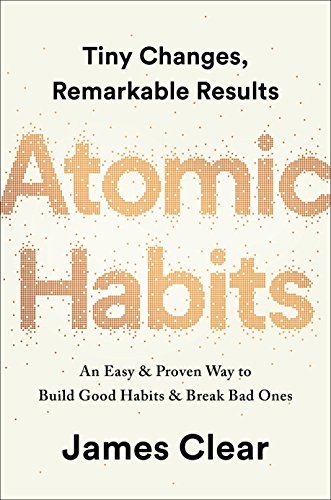
Atomic Habits by James Clear book cover

5. Atomic Habits

James Clear · 2018

The habit book that made every other habit book optional.

Clear took decades of behavior research and compressed it into one usable system: make it obvious, attractive, easy, and satisfying. The 1% better framing sounds like a slogan until you use it for a month and notice it working. Most habit books restate this one with worse examples. Start here.

Read it if: anyone who wants a practical system for building habits, not just motivation

Skip it if: you've already read it and implemented the four laws (rereading won't add much)

Full verdict: Atomic Habits →

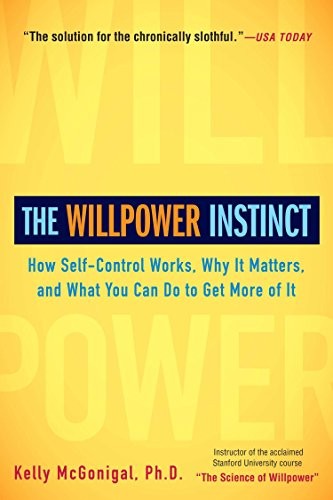
The Willpower Instinct by Kelly McGonigal book cover

6. The Willpower Instinct

Kelly McGonigal · 2011

Willpower is a finite, trainable resource, not a personality trait -- this is the training manual.

McGonigal built this out of an actual Stanford class, and it shows in the structure – one mechanism, one experiment, one week at a time. It’s slower than most habit books, but you walk away actually understanding why “just try harder” was never going to work at 11pm after a bad day.

Read it if: you keep 'failing' at self-control and want to understand the mechanism, not just try harder

Skip it if: you want quick habit hacks -- this reads like a semester of psychology lectures, because it started as one

Full verdict: The Willpower Instinct →

Frequently Asked Questions

What is the best book for procrastination?

The Now Habit, if your procrastination is tied to fear, perfectionism, or resentment rather than simple disorganization. It's the fullest clinical program on this list and addresses the psychology, not just the scheduling.

What is the fastest fix for procrastination?

Eat That Frog. It's one idea (do the hardest task first, before anything else can distract you) stretched to book length, which makes it an easy same-day read you can act on immediately.

Is procrastination a discipline problem or an emotional problem?

Research (covered in Solving the Procrastination Puzzle) points to emotional, not discipline: procrastination is usually a short-term mood-repair strategy, avoiding the negative feeling a task provokes right now, not laziness.

What book helps if I procrastinate because I have too many tasks to track?

Getting Things Done. If procrastination is really about a cluttered, untrustworthy mental to-do list rather than fear of a specific task, GTD's capture-everything system addresses that directly.

Keep Reading