Best Health and Longevity Books: 7 Ranked by What They Fix

Updated July 15, 2026 · 7 books

Best Health and Longevity Books: 7 Ranked by What They Fix: ranked list of 7 books

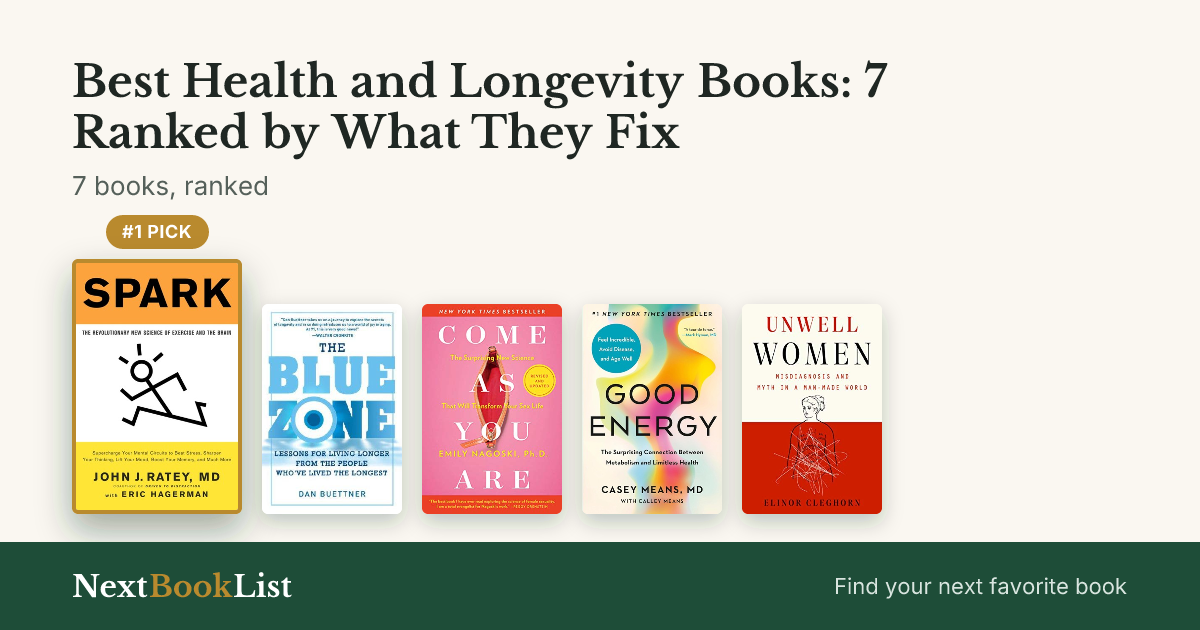
Start with Spark if your goal is simple: a reason to exercise that survives the first month. John Ratey’s case is that movement rewires the brain first and the body second — sharper focus, better mood regulation, real protection against depression — which is a stickier motivation than “look better in photos.” The Blue Zones sits next to it as the longer-horizon version, pulling the actual shared habits out of the five places on Earth where people routinely live past 100.

Three books here fix a specific, underdiscussed problem. Come as You Are rebuilds the science of sexual desire around what actually works instead of what magazines assume works, and it’s more useful for understanding your own body than anything sold as a “fix.” Good Energy connects metabolic health to a huge range of downstream problems most people treat as separate diagnoses. Unwell Women documents the specific historical pattern of women’s symptoms getting dismissed as hysteria or “in your head,” and reframes years of bad doctor’s visits as a systemic issue, not a personal one.

The last two are a pair, and read in this order: How to Change Your Mind first, for the clinical research on psychedelics treating depression, addiction, and end-of-life anxiety — the more essential and better-argued of the two. This Is Your Mind on Plants second, a looser, more personal exploration of three plant drugs, worth it once the first book has earned your interest.

None of these are diet books, and that’s deliberate. If you’re looking for a meal plan, this isn’t the list — everything here is mechanism, not menu.

Quick Comparison

#BookBest for
1SparkJohn J. Rateyyou want the neuroscience case for exercise as mental-health treatment, not just fitness advice -- the book leans hard into brain chemistry (BDNF, neurogenesis, stress hormones) with real studies behind itAmazon
2The Blue ZonesDan Buettneryou want longevity advice grounded in observed populations (Okinawa, Sardinia, Loma Linda, Nicoya, Ikaria) rather than a single researcher's theory or a supplement pitchAmazon
3Come As You AreEmily Nagoskiyou want an evidence-based, judgment-free explanation of how sexual desire and arousal actually work, especially if you've been told your normal is brokenAmazon
4Good EnergyCasey Meansyou want a root-cause framework connecting blood sugar, mitochondria, and chronic disease instead of a diagnosis-by-diagnosis approach to healthAmazon
5Unwell WomenElinor Cleghornyou want the historical why behind modern medicine's gender gap (pain dismissal, autoimmune misdiagnosis, the medicalization of women's bodies) traced from ancient Greece to todayAmazon
6How to Change Your MindMichael Pollanyou want a rigorously reported, skeptic's-eye account of the psychedelic research renaissance -- history, neuroscience, and Pollan's own guided trips -- rather than a countercultural manifestoAmazon
7This Is Your Mind on PlantsMichael Pollanyou liked How to Change Your Mind and want the same rigor applied to opium, caffeine, and mescaline -- three drugs most people don't think of as drugs at allAmazon

The Books

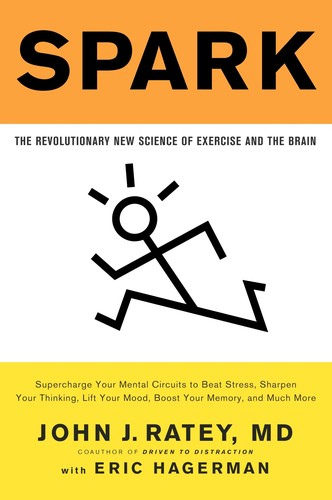
Spark by John J. Ratey book cover

1. Spark

John J. Ratey · 2008

A Harvard psychiatrist makes the case that exercise isn't just good for your body -- it's the single most underused drug for your brain, anchored by a school district that put PE before class and watched test scores jump.

Ratey isn’t the first to say exercise helps your mood, but he’s one of the first to make the mechanism-level case with actual brain chemistry, and the Naperville example does more persuasive work than most self-help anecdotes manage. If you’ve been treating exercise as purely cosmetic, this book is the reframe.

Read it if: you want the neuroscience case for exercise as mental-health treatment, not just fitness advice -- the book leans hard into brain chemistry (BDNF, neurogenesis, stress hormones) with real studies behind it

Skip it if: you want workout programming or a training plan -- Ratey makes the scientific argument for why to exercise, not a prescribed routine; pair it with an actual training book if you need the how
Full verdict: Spark →

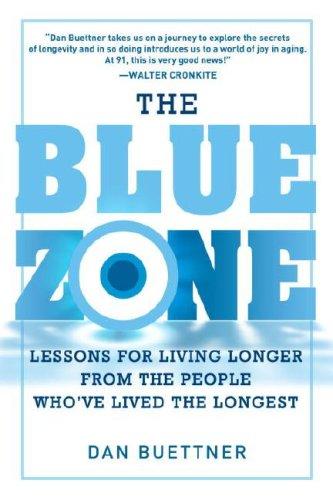
The Blue Zones by Dan Buettner book cover

2. The Blue Zones

Dan Buettner · 2008

A National Geographic explorer travels to the five places on Earth with the most documented centenarians and reverse-engineers what they actually do differently.

What makes this hold up better than most longevity books is that the patterns repeat across cultures that share almost nothing else – Seventh-day Adventists in California and elderly shepherds in Sardinia land on a similar mix of plant-heavy eating, daily movement, and tight community. That convergence is the actual argument. Just don’t treat every specific number in the book as settled fact; some of the original centenarian data has been challenged since publication.

Read it if: you want longevity advice grounded in observed populations (Okinawa, Sardinia, Loma Linda, Nicoya, Ikaria) rather than a single researcher's theory or a supplement pitch

Skip it if: you want a rigorous, footnoted scientific text -- this is journalism and travel writing built around demographic research, not a peer-reviewed academic work, and some of the original zones' data has since faced scrutiny

Full verdict: The Blue Zones →

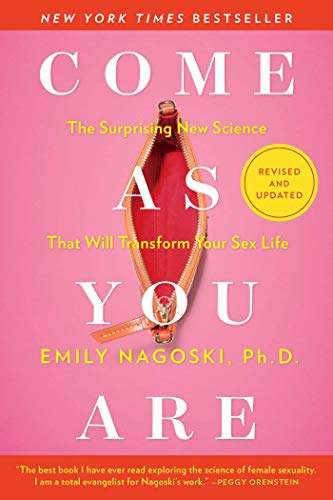
Come As You Are by Emily Nagoski book cover

3. Come As You Are

Emily Nagoski · 2015

A sex educator with a Kinsey Institute background makes the case that most sexual 'problems' are normal variation, not dysfunction, and gives you the science to prove it.

Nagoski’s real contribution isn’t a new technique, it’s a new mental model: accelerator and brakes instead of a single dial. Once you understand that most “desire problems” are the brakes staying on – stress, self-judgment, feeling unsafe – rather than a broken accelerator, a lot of well-meaning advice about spicing things up stops making sense as a fix.

It’s a longer, denser read than most books shelved next to it, closer to a textbook with jokes than a quick self-help read. Worth the time if you actually want to understand your own responses instead of copying someone else’s checklist.

Read it if: you want an evidence-based, judgment-free explanation of how sexual desire and arousal actually work, especially if you've been told your normal is broken

Skip it if: you want a technique-focused how-to guide -- this is closer to a biology and psychology text than a manual, though it changes how you'd approach technique

Full verdict: Come As You Are →

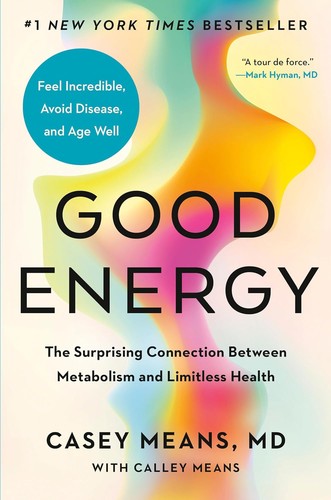
Good Energy by Casey Means book cover

4. Good Energy

Casey Means · 2024

A former surgeon turned metabolic-health evangelist argues that almost every modern chronic disease traces back to the same broken cellular process.

Means’s diagnosis is stronger than her cure. The case that insulin resistance and mitochondrial dysfunction sit upstream of a huge share of modern disease is well-argued and backed by real research, and the book will change how you read a lab report. Where it overreaches is treating metabolic dysfunction as close to a unified theory of illness – some of the disease links (infertility, depression, certain cancers) lean on correlational or early-stage evidence stretched further than it can hold.

If you want the same core idea with a tighter evidence bar, Rob Lustig’s Metabolical or Jessie Inchauspé’s Glucose Revolution cover similar ground with less system-wide grievance. Read Good Energy for the framework and the practical levers (sleep, muscle, ultra-processed food), and treat the sweeping causal claims as a hypothesis to raise with your own doctor, not a verdict.

Read it if: you want a root-cause framework connecting blood sugar, mitochondria, and chronic disease instead of a diagnosis-by-diagnosis approach to health

Skip it if: you want mainstream-consensus nutrition advice without the anti-establishment framing, or you're not going to track anything (glucose, sleep) to test the ideas yourself

Full verdict: Good Energy →

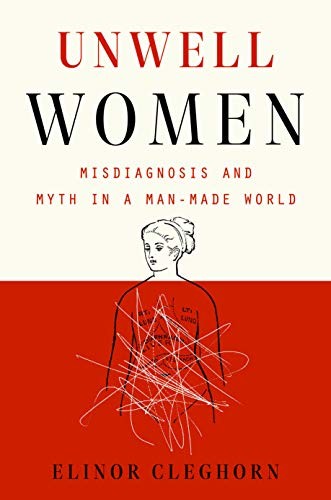
Unwell Women by Elinor Cleghorn book cover

5. Unwell Women

Elinor Cleghorn · 2021

A history of Western medicine told through centuries of women being disbelieved, misdiagnosed, and mythologized by the doctors treating them -- written by an author who lived it herself.

What makes this land harder than a typical advocacy book is the interleaving – every historical horror story (leeching for hysteria, forced sterilizations, dismissed pain) sits right next to Cleghorn’s own decade of being told her lupus symptoms were “just anxiety.” The history isn’t ancient; it’s the same pattern still running. If you’ve ever been told your pain was in your head, this book will make you furious in a useful way.

Read it if: you want the historical why behind modern medicine's gender gap (pain dismissal, autoimmune misdiagnosis, the medicalization of women's bodies) traced from ancient Greece to today

Skip it if: you want a purely practical, how-to-advocate-for-yourself guide -- this is a work of history and cultural criticism, not a patient handbook

Full verdict: Unwell Women →

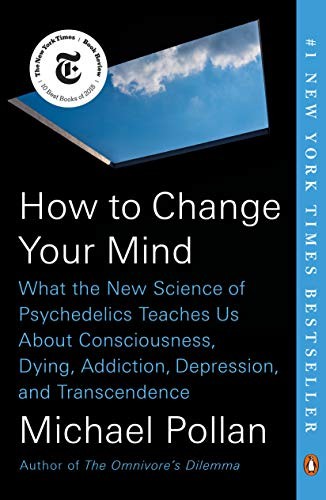
How to Change Your Mind by Michael Pollan book cover

6. How to Change Your Mind

Michael Pollan · 2018

A skeptical, sixty-year-old journalist takes LSD, psilocybin, and DMT himself while reporting on the clinical research showing psychedelics may be the most effective tool psychiatry has found for depression, addiction, and end-of-life anxiety.

What sets this apart from decades of psychedelics writing is Pollan’s refusal to perform either evangelism or dismissal – he goes in doubting the hype and comes out reporting real, replicated clinical results alongside his own unresolved discomfort with what he experienced. That tension is what makes the book credible. If Fantastic Fungi left you curious but wanting more rigor, this is the next stop.

Read it if: you want a rigorously reported, skeptic's-eye account of the psychedelic research renaissance -- history, neuroscience, and Pollan's own guided trips -- rather than a countercultural manifesto

Skip it if: you're looking for a practical how-to guide on dosing or sourcing psychedelics -- this is journalism and cultural history, not a usage manual, and Pollan is explicit about the risks and legal issues

Full verdict: How to Change Your Mind →

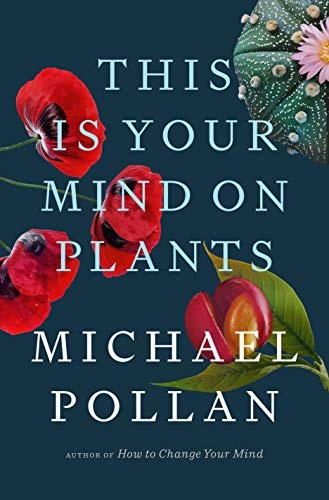
This Is Your Mind on Plants by Michael Pollan book cover

7. This Is Your Mind on Plants

Michael Pollan · 2021

Michael Pollan grows opium poppies, quits caffeine for months, and eats cactus to ask why some plant drugs are legal, some are demonized, and none of it tracks with actual danger.

The caffeine chapter does something rare for a nonfiction book: it changes how you experience your own body within a week of reading it. Pollan quitting coffee for three months and reporting the withdrawal in granular detail makes the “everyone’s on a drug and doesn’t know it” argument land harder than any lecture could.

The opium and mescaline sections are more historical and less personal, and the book overall reads like three good long-form magazine pieces rather than one unified argument – which it originally was. That’s fine if you’re reading in chunks, less satisfying if you want the throughline of How to Change Your Mind.

Read it if: you liked How to Change Your Mind and want the same rigor applied to opium, caffeine, and mescaline -- three drugs most people don't think of as drugs at all

Skip it if: you want a straightforward pro- or anti-drug argument -- Pollan is deliberately ambivalent and more interested in the question than a verdict

Full verdict: This Is Your Mind on Plants →

Frequently Asked Questions

What is the best book on exercise and the brain?

Spark. John Ratey makes the case that exercise isn't primarily about your body, it's about your brain — mood, focus, memory, even resistance to depression all respond to movement in ways most people never connect to their workout. It's the one that changes why you exercise, not just whether.

What's the best book about living longer?

The Blue Zones. Dan Buettner studied the five regions in the world with the highest concentration of people who live past 100 and pulled out the habits they actually share — diet, movement, community, sense of purpose. It's less a program and more a set of patterns worth stealing.

There are two Michael Pollan books on this list. Which one should I read first?

How to Change Your Mind, then This Is Your Mind on Plants if it interests you further. How to Change Your Mind covers the clinical research on psychedelics and mental health — depression, addiction, end-of-life anxiety — and is the more essential read. This Is Your Mind on Plants is a wider, more personal exploration of three plant drugs and is worth it once the first book has you hooked.

What's the best book on medical bias against women?

Unwell Women. Elinor Cleghorn traces centuries of women's symptoms being dismissed, misdiagnosed, or blamed on hysteria, and connects that history directly to diagnostic delays women still face today. It reframes a lot of frustrating doctor's-office experiences as a pattern, not a personal failure.

Keep Reading