Best Investing Psychology Books: 7 for Managing Your Own Behavior

Updated July 19, 2026 · 7 books

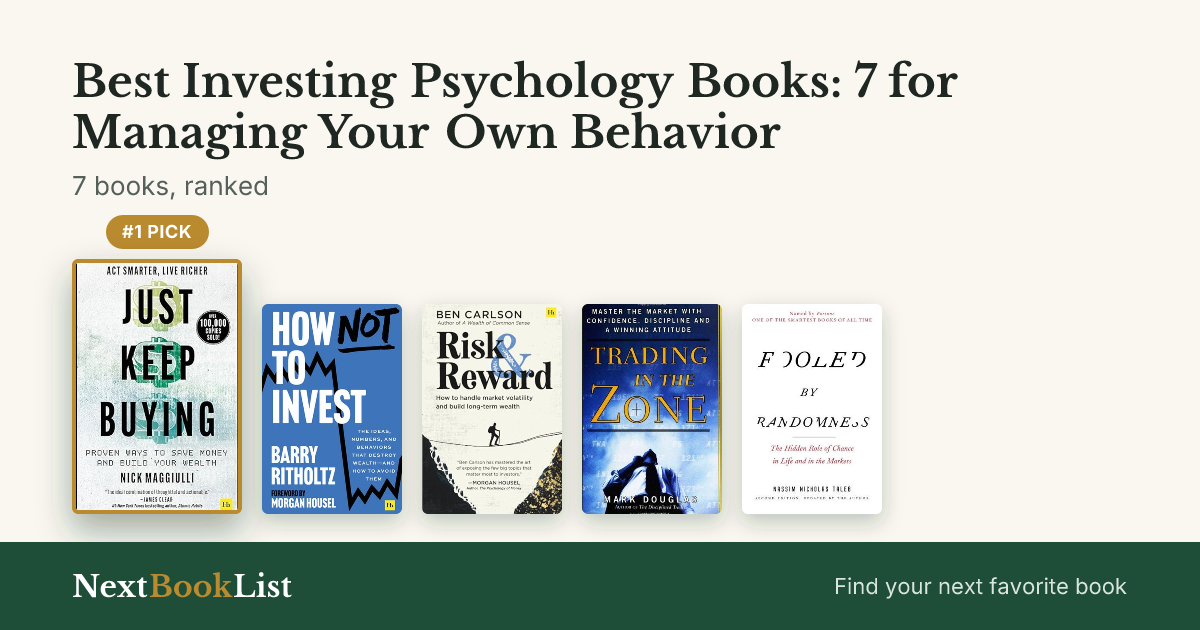
Best Investing Psychology Books: 7 for Managing Your Own Behavior: ranked list of 7 books

The best investing-psychology book to start with is Just Keep Buying, because Maggiulli backs the advice with actual historical data instead of motivational framing: consistent, automated investing beats trying to time either your savings or the market, and increasing income matters more than optimizing returns for most people.

How Not to Invest and Risk and Reward are the subtraction layer. Ritholtz cataloging the specific behaviors that quietly destroy returns, Carlson making the case that volatility is the toll for long-term returns, not a signal to exit. Both target the same underlying problem: not a bad strategy, a bad reaction to a normal market.

Trading in the Zone and Fooled by Randomness are for anyone doing something more active than indexing. Douglas on the psychological discipline that separates winning traders from losing ones; Taleb on how survivorship bias and short track records make luck look indistinguishable from skill. Nudge and Thinking in Bets close the list because good investing behavior is downstream of good decision-making generally. Thaler and Sunstein on how the design of a choice quietly steers you before you’ve weighed in, Duke on separating a good decision from a good outcome so a lucky bad call doesn’t get repeated.

One warning: investing-psychology books are compelling because hindsight makes bad decisions look obviously emotional. In the moment, they never feel that way. Read for the mechanism, not the smug certainty that you’d have done better.

Quick Comparison

#BookBest for
1Just Keep BuyingNick Maggiullisavers who overthink when and how much to invest instead of just automating itAmazon
2How Not to InvestBarry Ritholtzinvestors who want to know exactly which common habits are costing them moneyAmazon
3Risk and RewardBen Carlsoninvestors who panic-sell during downturns and need a behavioral resetAmazon
4Trading in the ZoneMark Douglasactive traders who have a system but still sabotage it emotionallyAmazon
5Fooled by RandomnessNassim Nicholas Talebinvestors and professionals who want to know how much of their success is actually skillAmazon
6NudgeRichard H. Thaler & Cass R. Sunsteinyou want the popular, foundational case for how defaults and choice design shape financial and health decisions -- including your ownAmazon
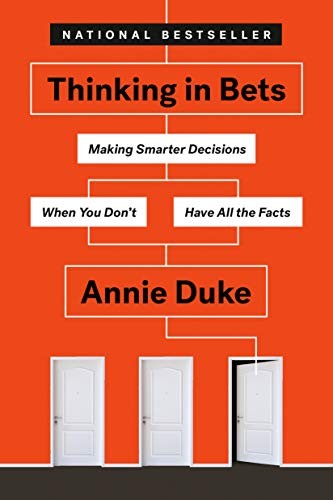
7Thinking in BetsAnnie Dukeyou keep judging your investing or business calls by outcome alone -- praising a lucky win, beating yourself up over an unlucky loss with a sound processAmazon

The Books

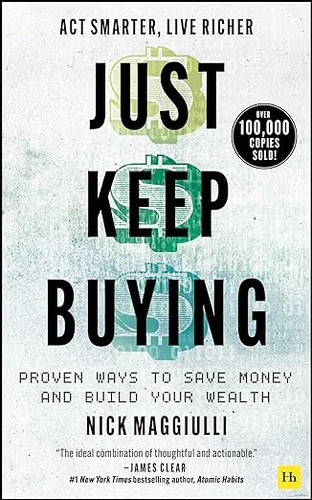
Just Keep Buying by Nick Maggiulli book cover

1. Just Keep Buying

Nick Maggiulli · 2022

Maggiulli's data-driven case that consistent, boring investing beats trying to time savings or the market.

Just Keep Buying earns its title: Maggiulli runs the actual numbers on saving rate versus investment returns and shows that, for most people, earning and saving more matters more than optimizing the investing itself. It’s refreshingly numbers-first rather than motivational, which makes the counterintuitive findings land harder. Skip it if you’ve already automated your investing and want portfolio-construction depth instead.

Read it if: savers who overthink when and how much to invest instead of just automating it

Skip it if: you already dollar-cost-average consistently and want advanced portfolio theory
Full verdict: Just Keep Buying →

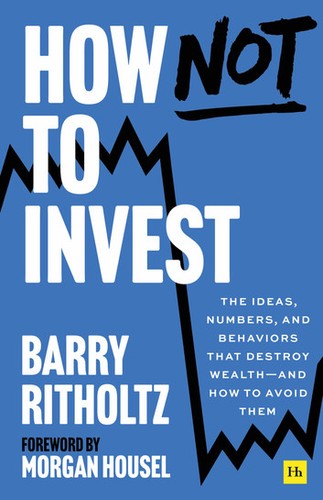
How Not to Invest by Barry Ritholtz book cover

2. How Not to Invest

Barry Ritholtz · 2025

Ritholtz catalogs the specific ideas and behaviors, market timing, hot stock tips, panic selling, that quietly destroy investor returns.

How Not to Invest works by subtraction: instead of another list of things to do, Ritholtz catalogs the specific, well-documented ways investors sabotage their own returns, from chasing hot sectors to panic-selling at the bottom. It’s a useful companion to more prescriptive investing books precisely because it targets the behaviors those books don’t spend enough time on. Skip it if you want a positive plan rather than a list of what not to do.

Read it if: investors who want to know exactly which common habits are costing them money

Skip it if: you want a positive step-by-step plan rather than a catalog of mistakes to avoid

Full verdict: How Not to Invest →

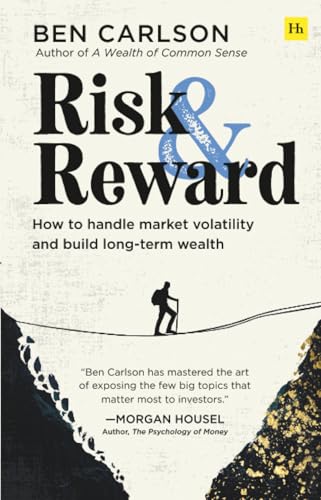
Risk and Reward by Ben Carlson book cover

3. Risk and Reward

Ben Carlson · 2024

Carlson's case for staying invested through volatility instead of trying to time the next crash.

Carlson’s angle is behavioral, not technical: volatility is the price of admission for long-term returns, and most investors destroy their own results by reacting to it emotionally rather than accepting it as normal. It’s aimed squarely at the investor whose actual enemy is their own reaction to a bad month. Skip it if drawdowns don’t rattle you, you’ve already internalized the lesson.

Read it if: investors who panic-sell during downturns and need a behavioral reset

Skip it if: you're already unbothered by drawdowns and just want asset-allocation specifics

Full verdict: Risk and Reward →

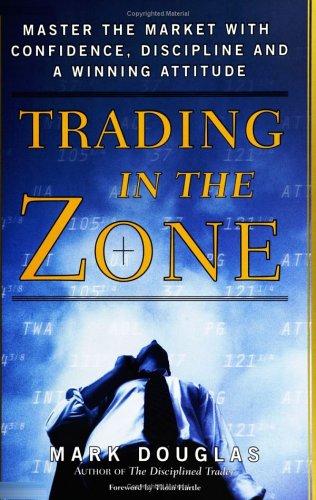
Trading in the Zone by Mark Douglas book cover

4. Trading in the Zone

Mark Douglas · 2000

Douglas's case that trading psychology, not strategy, is what actually separates winning traders from losing ones.

Trading in the Zone is less about strategy and almost entirely about the psychological discipline to execute one consistently: accepting risk, not needing to be right, and treating each trade as one of a large probabilistic sample instead of a personal referendum. It’s become a genre-standard recommendation precisely because most trading books teach systems while ignoring the mind that has to run them. Skip it entirely if you’re not an active trader, the whole framework assumes you are.

Read it if: active traders who have a system but still sabotage it emotionally

Skip it if: you're a long-term index investor with no interest in active trading

Full verdict: Trading in the Zone →

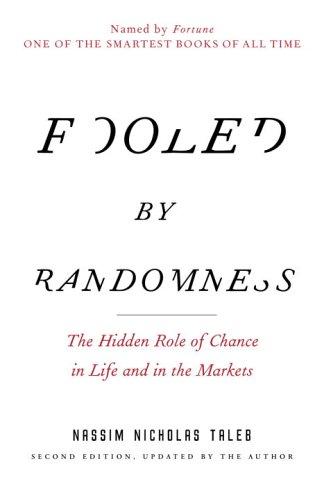
Fooled by Randomness by Nassim Nicholas Taleb book cover

5. Fooled by Randomness

Nassim Nicholas Taleb · 2001

Taleb's original argument that we systematically mistake luck for skill, especially in markets.

Fooled by Randomness is Taleb before Black Swan made him famous, and it’s arguably sharper: a direct attack on how survivorship bias and chance masquerade as skill, especially among traders who confuse a lucky streak with genius. Prickly and repetitive in places, but the core insight, that you can’t tell skill from luck over any short sample, is genuinely uncomfortable and genuinely correct. Skip it if you want tactics; this is a worldview book, not a manual.

Read it if: investors and professionals who want to know how much of their success is actually skill

Skip it if: you want tactical trading advice rather than a philosophical gut-check

Full verdict: Fooled by Randomness →

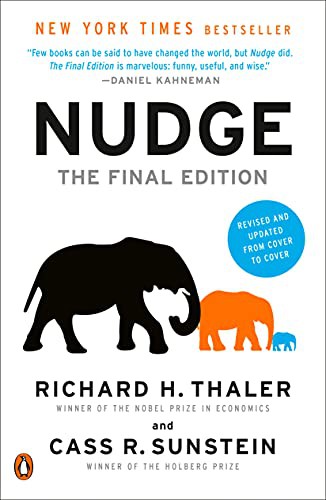
Nudge by Richard H. Thaler & Cass R. Sunstein book cover

6. Nudge

Richard H. Thaler & Cass R. Sunstein · 2008

The Nobel laureate who proved you're not a rational calculator, showing how the design of a choice quietly decides the outcome before you ever weigh in.

Thaler won a Nobel Prize largely for the research this book popularizes, and the “choice architecture” framing has since become standard vocabulary in policy, product design, and personal finance alike. Read it to recognize the defaults already steering your own decisions, then decide which ones actually deserve to keep steering you.

Read it if: you want the popular, foundational case for how defaults and choice design shape financial and health decisions -- including your own

Skip it if: you've already read Misbehaving or other behavioral economics -- Nudge is the accessible entry point, not the deepest treatment of the underlying research

Full verdict: Nudge →

Thinking in Bets by Annie Duke book cover

7. Thinking in Bets

Annie Duke · 2018

A professional poker champion's case for judging your decisions by process, not by whether you got lucky -- the investing-psychology skill most portfolios quietly fail at.

Duke’s poker background is the book’s real asset – few professions force you to confront the gap between a good decision and a good outcome as constantly and expensively as tournament poker does. The “resulting” trap is easy to nod along to and hard to actually stop doing; this book gives you the specific vocabulary to catch yourself in the act.

Read it if: you keep judging your investing or business calls by outcome alone -- praising a lucky win, beating yourself up over an unlucky loss with a sound process

Skip it if: you already separate decision quality from outcome quality instinctively -- that reframe is the entire book, and once it clicks you don't need the full treatment

Full verdict: Thinking in Bets →

Frequently Asked Questions

What is the best book on investing psychology to start with?

Just Keep Buying. Maggiulli uses actual historical data to show that consistent, automated investing beats trying to time savings or the market, and that increasing income matters more than optimizing returns for most people. It's the most immediately actionable book on this list.

I already know I should invest consistently. What's actually costing me returns?

How Not to Invest. Ritholtz catalogs the specific, well-documented behaviors, chasing hot sectors, panic-selling, market timing, that quietly destroy returns. It works by subtraction: stop doing these things before you add anything else.

I panic-sell every time the market drops. What do I read?

Risk and Reward. Ben Carlson's whole argument is that volatility is the toll you pay for long-term equity returns, not a signal to exit, and that your own reaction to a bad month is a bigger risk to your returns than the bad month itself.

These are mostly about long-term investing. What if I actively trade?

Trading in the Zone. Mark Douglas's classic is specifically about the psychological discipline to execute a trading system consistently, accepting risk, not needing to be right on any single trade, which most trading books skip in favor of strategy alone.

I keep judging my trades by whether they made money, not by whether the call was sound. What fixes that?

Thinking in Bets. Annie Duke's term for this is 'resulting', judging a decision purely by its outcome, and her poker-honed fix is separating decision quality from outcome quality, since a good call can still lose and a bad one can still win over a single trade.

Keep Reading