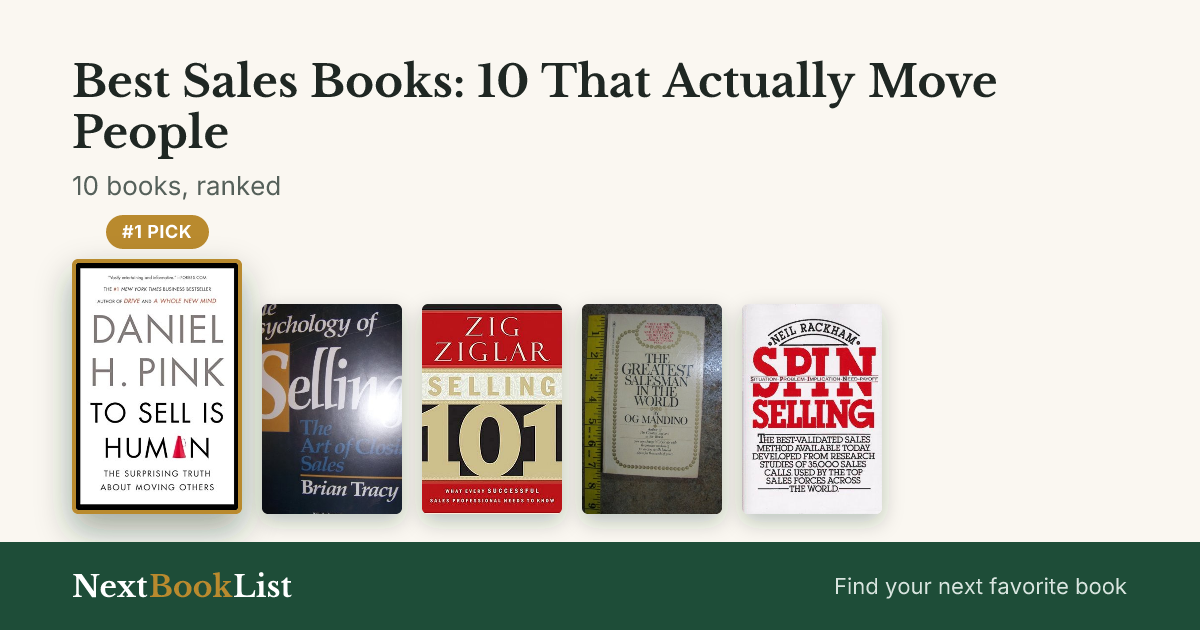
The best sales book for most people is To Sell Is Human, because Daniel Pink’s whole point is that you’re already selling, moving other people to act, long before you ever call it that. It resets the frame before you learn a single tactic, which is why it goes first even for readers who’d never call themselves salespeople.
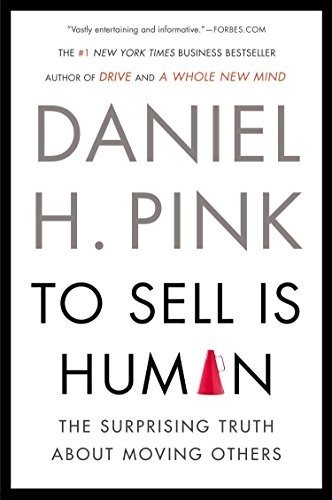
If you actually carry a quota, go straight to The Psychology of Selling. Brian Tracy skips the reframe and hands you the dense, repeatable mechanics: how buyers decide, how to structure a call, how to close. It assumes you already know you’re in sales and just want what works.
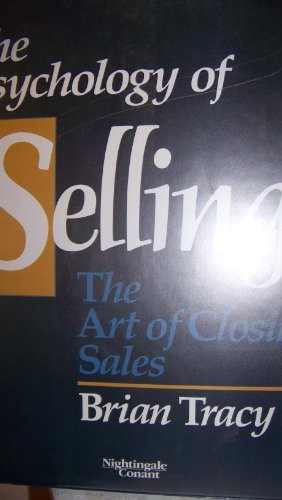
Selling 101 is the on-ramp if you’re brand new and Tracy feels like too much at once. Ziglar’s version is shorter, plainer, and built to get you functional in an afternoon.
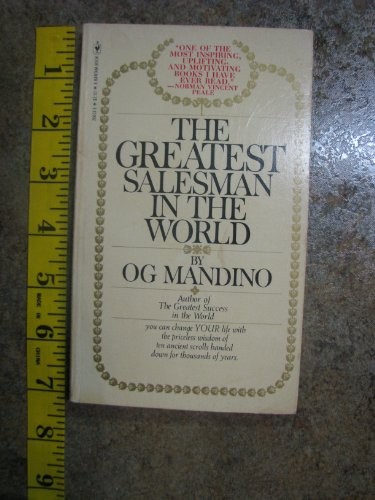
Close with The Greatest Salesman in the World. It’s not tactical, it’s a parable about persistence and daily discipline, dressed as ten ancient scrolls. Sentimental, but it earns its place for the days when none of the technique in the other three books feels like it’s landing.
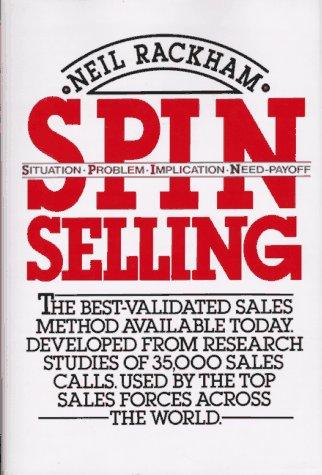
One exception to everything above: if you sell large, complex, multi-meeting deals, none of the first four quite fit. SPIN Selling is built from research on 35,000 real sales calls specifically for that case, and its central finding, that small-sale closing tricks backfire on big, considered purchases, is worth knowing even if you never touch the four-question framework itself.
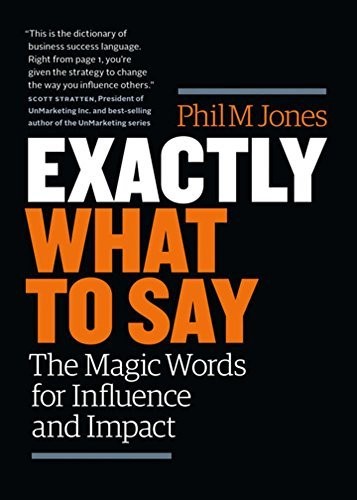
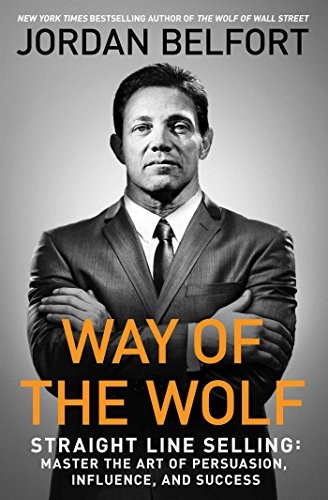
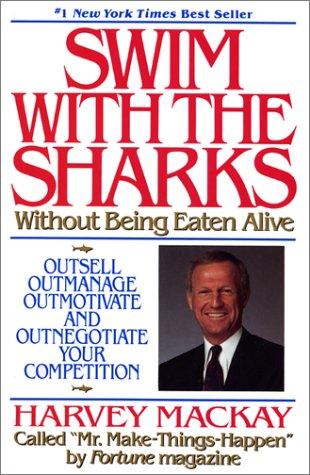
Five more for specific gaps. How to Master the Art of Selling and Secrets of Closing the Sale are both from the same generation as Ziglar, older, repetitive-by-design, built for memorizing a script. Exactly What to Say is the modern, minimal version of the same idea, short “magic word” phrases for specific moments instead of a full framework. Way of the Wolf is Jordan Belfort’s straight-line system, be aware of who’s writing it (the “Wolf of Wall Street” himself) before you take the ethics of any example at face value, even if the technique underneath is real. Swim with the Sharks is the oldest and bluntest entry, decades-old advice on negotiating from a position of strength that hasn’t softened with age.
One warning: sales books are where people confuse reading about persuasion with practicing it. Pick one, then have the actual conversation you’ve been rehearsing on paper.
Neil Rackham · 1988
The research-backed method for large, complex sales, built from studying 35,000 actual sales calls, and still the serious answer when your deals run six figures and multiple meetings.
Neil Rackham’s research-backed method for large, complex sales, still the serious book on the topic. Read it before any fluff sales seminar if your deals are big and slow. Skip it if you sell cheap, fast, or one-call, this is for six-figure sales cycles.
Read it if: you sell large, complex, multi-meeting deals where conventional small-sale closing tricks don't work
Skip it if: you sell cheap, fast, or one-call products -- SPIN was built specifically for large sales, and its findings explicitly don't transfer to quick, low-stakes transactions
Full verdict: SPIN Selling →
Tom Hopkins · 1980
Hopkins went from broke 19-year-old failed salesman to top real estate producer within a couple of years, and turned the specific scripts and techniques that got him there into one of the most detailed sales training books ever written.
Hopkins treats sales language the way a coach treats game film – specific, drillable, and meant to be rehearsed until it’s automatic under pressure. If you want exact scripts to practice rather than concepts to absorb, this is the more tactical choice on the shelf next to Ziglar.
Read it if: you want extremely detailed, script-level sales training. Hopkins covers specific word-for-word phrasing for prospecting, objection handling, and closing
Skip it if: you want conceptual sales philosophy over tactical scripts, this leans heavily into memorizable, word-for-word technique rather than broader principle
Full verdict: How to Master the Art of Selling →
Zig Ziglar · 1984
Ziglar's sales bible, hundreds of specific closing techniques, delivered with the folksy, motivational-speaker energy that made him a sales-training legend.
Ziglar’s genuine warmth comes through even in the most transactional-sounding closing scripts, which is probably why the book has stayed in print for four decades despite specific tactics aging out of fashion. Use it as a reference to pull specific techniques from, not a cover-to-cover read.
Read it if: you want a huge, practical reference of specific closing techniques and objection-handling scripts you can pull from directly
Skip it if: you're uncomfortable with old-school, pressure-oriented closing tactics, some techniques read as dated and more manipulative than modern consultative-selling approaches favor
Full verdict: Secrets of Closing the Sale →
Frequently Asked Questions
What is the best sales book for someone who doesn't think of themselves as a salesperson?
To Sell Is Human. Daniel Pink's argument is that almost everyone is moving someone else to act, a pitch, a job interview, convincing your kid to eat dinner, whether or not "sales" is in your job title. It reframes the whole subject before you touch a single closing technique.
What's the best book for someone actually working a sales job?
The Psychology of Selling. Brian Tracy compiles the dense, repeatable fundamentals, how buyers actually decide, how to structure a pitch, with none of the motivational padding. It's the closest thing on this list to a manual.
I'm brand new to sales. Where do I start?
Selling 101. Zig Ziglar's shortest, plainest book, built for someone who needs the fundamentals without a single wasted page. Read this first, then graduate to Tracy once you've got the basics running.
The Greatest Salesman in the World sounds like an old motivational book, not a sales book. Why is it here?
Because it's the oldest and most durable book on the emotional side of selling, persistence, daily discipline, loving your craft, dressed as a parable of ten ancient scrolls. It won't teach you a closing technique, but it'll get you to show up on the days none of the techniques feel like they're working.
I sell large, complex, multi-meeting B2B deals. Is there a book here for that specifically?
SPIN Selling. Neil Rackham's research on 35,000 real sales calls found that small-sale tactics actively backfire on large deals, and built a four-stage questioning sequence (Situation, Problem, Implication, Need-payoff) that builds the buyer's own case instead of asserting it.