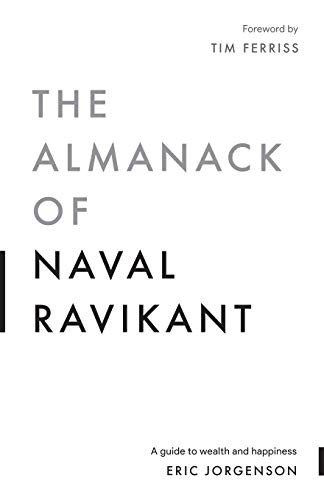
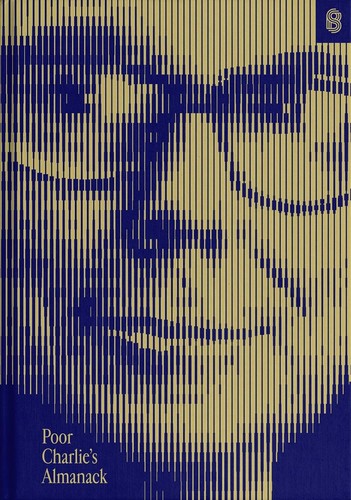
Naval doesn’t read for self-improvement, he’s said so directly: “The best book is the one you’ll devour.” Start with The Almanack of Naval Ravikant, the distillation of a decade of his own tweets and podcasts, then move to Poor Charlie’s Almanack, which he credits as the single biggest upgrade to how he thinks, Munger’s latticework of mental models in one volume.
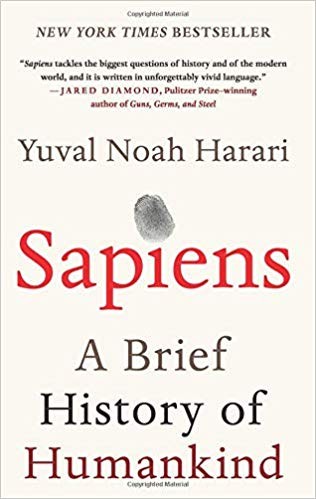
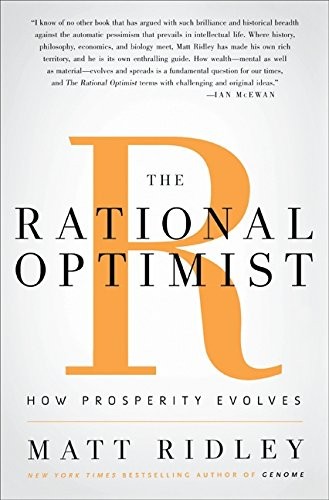
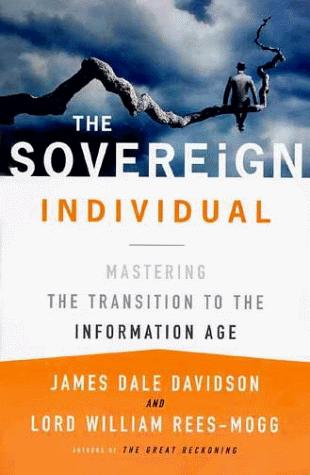
From there, his own words point straight to Sapiens, “the best book of the last decade I have read,” and a run of science and history he’s called some of his all-time favorites: The Rational Optimist (“the most brilliant and enlightening book I’ve read in years,” one of four Matt Ridley books he names), The Sovereign Individual (“the best book I’ve read since Sapiens”), Meditations (“absolutely life changing”), Six Easy Pieces (he’d give it to his kids directly), The Beginning of Infinity (“not the easiest read, but it made me smarter”), and The Lessons of History, which he praises for covering enormous ground in remarkably few pages.
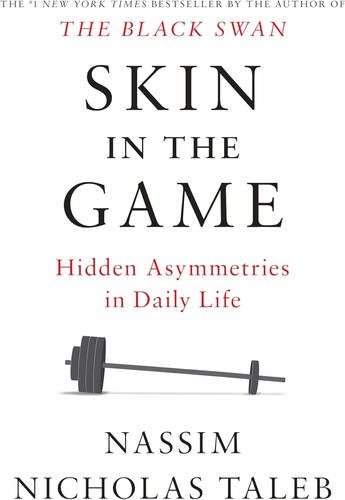
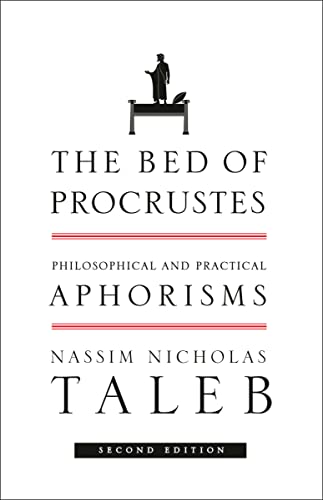
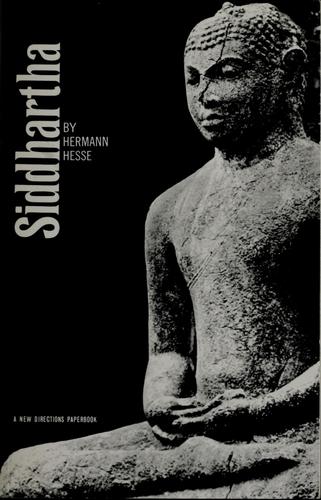
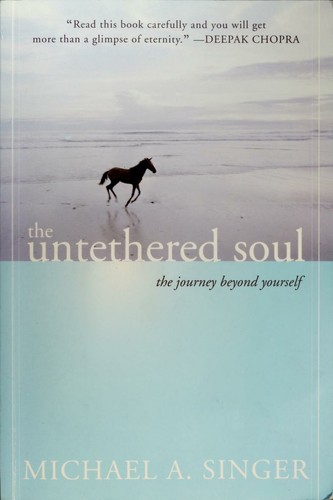
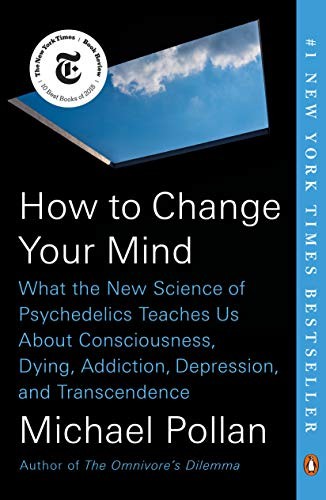
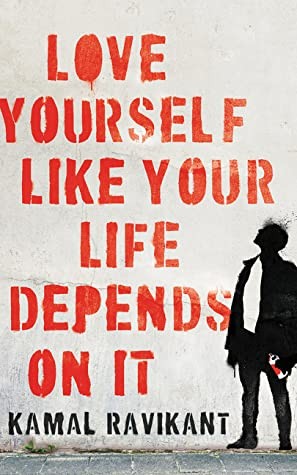
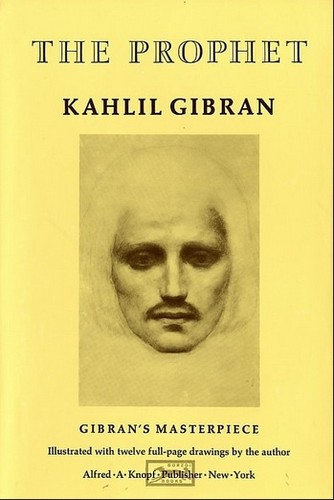
The philosophy and spirituality shelf is where Naval gets most personal: Siddhartha (“I’ve given out more copies of this book than any other”), The Untethered Soul, How to Change Your Mind, The Prophet, and Love Yourself Like Your Life Depends On It, written by his own brother Kamal, whom Naval calls “the philosopher in the family.” Taleb closes the non-fiction run: Skin in the Game (“the best book I’ve read in 2018”) and The Bed of Procrustes, Taleb’s “collection of ancient wisdom,” best read once you already know the arguments in his longer books.
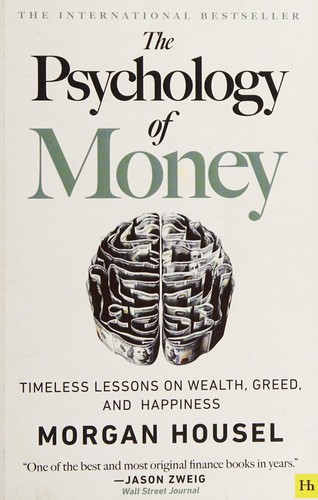
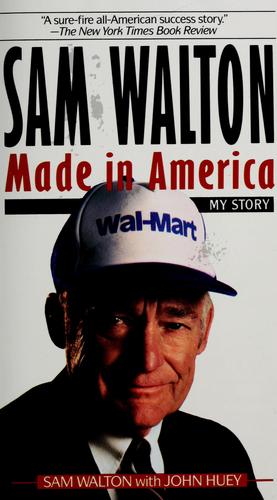
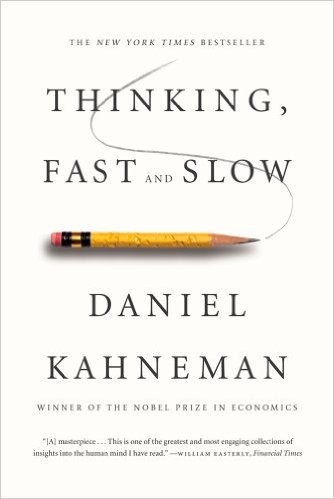
The last six titles, Zero to One, The Hard Thing About Hard Things, The Outsiders, The Psychology of Money, Made in America, and Thinking, Fast and Slow, are the founder and business shelf. These sit in Naval’s publicly stated wheelhouse and match how he talks about building and judgment, but unlike the rest of this list, they’re curated from our catalog rather than pulled from a direct quote. Read the sourced two-thirds first if you want Naval in his own words; treat the last six as “in his wheelhouse,” not a transcript.
Charlie Munger (ed. Peter D. Kaufman) · 2005
Munger's mental models and the psychology of human misjudgment, in one strange, wonderful book.
Munger’s talk on the 25 psychological tendencies that cause misjudgment is worth the whole volume, and the “latticework of mental models” idea launched a thousand blogs. The Stripe Press edition trimmed it well. Not really an investing book. A thinking book that happens to be written by an investor.
Read it if: readers who want to think better across disciplines, not just invest better
Skip it if: you want a linear how-to book (this is speeches, talks, and tangents)
Full verdict: Poor Charlie's Almanack →
Nassim Nicholas Taleb · 2018
Taleb's argument that nobody should be trusted with an opinion unless they bear the cost if it's wrong.
By the fourth Incerto book, Taleb isn’t building new theory so much as sharpening one filter into a weapon: does this person bear the cost of their own advice. Applied to pundits, bureaucrats, and consultants, it’s brutal and mostly correct.
Read it if: you've read Taleb's earlier books and want the more concrete, applied entry in the Incerto series
Skip it if: you're new to Taleb -- start with The Black Swan or Antifragile, since this one assumes you already know his core vocabulary
Full verdict: Skin in the Game →
Nassim Nicholas Taleb · 2010
Taleb's collection of blunt, standalone aphorisms, his version of ancient wisdom literature, named for the Greek myth of a host who mutilated guests to fit his bed.
This is Taleb at his most compressed, no sustained argument, just single lines meant to lodge in your head. Best read after his longer books, when you already have the underlying worldview to unpack each aphorism against.
Read it if: readers who already know Taleb's longer books and want his ideas distilled into single lines
Skip it if: you haven't read Antifragile or The Black Swan yet, the aphorisms land harder with that context
Full verdict: The Bed of Procrustes →
Yuval Noah Harari · 2015
A historian explains how an unremarkable ape came to dominate the planet, through a talent for believing collectively in things that don't physically exist.
Harari’s real skill is compression – distilling 300,000 years into a readable, argument-driven narrative without it collapsing into a dry timeline. Academic historians have pushed back on specific claims since publication, which is worth knowing going in, but the shared-fiction framework has genuinely changed how a lot of readers think about money, borders, and institutions.
Read it if: you want the single most influential big-picture history book of the last decade, spanning cognitive, agricultural, and scientific revolutions in one readable volume
Skip it if: you want rigorous, narrowly-scoped academic history -- Harari writes as a synthesizer covering 300,000 years in one book, which means broad strokes over granular precision by design
Full verdict: Sapiens →
Matt Ridley · 2010
Ridley's case that trade and idea-exchange, not any single genius or resource, is the actual engine behind every leap in human prosperity, and that pessimism about the future is usually wrong.
Ridley isn’t just cheerleading, he’s building a historical case, brick by brick, for why betting against human ingenuity has been the losing bet for two centuries straight. Naval calls him one of his favorite authors for a reason, and this is the book to start with before working through the rest of Ridley’s catalog.
Read it if: readers who want a rigorously argued, evidence-heavy case for optimism about human progress
Skip it if: you want a balanced weighing of risks, Ridley is explicitly making the optimist's case, not a neutral one
Full verdict: The Rational Optimist →
James Dale Davidson and Lord William Rees-Mogg · 1997
A 1997 prediction that the internet would break the nation-state's monopoly on taxation and force a new class of location-independent, self-sovereign individuals, cited for years by crypto and tech founders as eerily prescient.
This book was written before most people had heard of email, and its core prediction, that digital technology would let capable individuals exit the nation-state’s grip rather than just comply with it, reads less like speculation and more like a description of trends that actually played out. That’s exactly why it kept getting rediscovered by crypto and tech founders decades later.
Read it if: readers interested in how digital technology reshapes the balance of power between individuals and governments
Skip it if: you want current analysis, this was written in 1997 and some specifics are dated even as the core thesis proved influential
Full verdict: The Sovereign Individual →
David Deutsch · 2011
A physicist argues that good explanations, not just accumulated data, are the actual engine of unlimited human progress, and that almost no problem is permanently unsolvable.
Deutsch isn’t writing for a casual afternoon read, and Naval says as much even while recommending it. But the core distinction between good and bad explanations is one of those ideas that, once it clicks, changes how you evaluate arguments well outside physics.
Read it if: readers who want a demanding but genuinely mind-expanding case for unlimited progress through better explanations
Skip it if: this is a hard, dense read even by popular-physics standards, don't start here if you're new to the genre
Full verdict: The Beginning of Infinity →
Will Durant and Ariel Durant · 1968
Two historians distill their eleven-volume Story of Civilization into under 100 pages of the actual recurring patterns across all of recorded human history.
Most history books ask for a serious time commitment. This one asks for almost none and still leaves you with more genuinely transferable patterns than books ten times its length. Read it once fast, then keep it around to reread slowly.
Read it if: readers who want the highest-density, most re-readable summary of what actually repeats across history
Skip it if: you want detailed narrative history, this is pure distilled pattern-recognition, almost no storytelling
Full verdict: The Lessons of History →
Hermann Hesse · 1922
A young man walks away from both his father's religious tradition and the Buddha's own teaching to find enlightenment entirely on his own terms, in Hesse's slim, widely-gifted classic.
This is the book people actually give away, and it’s easy to see why: short enough to read in an afternoon, but built to be sat with for years after. Siddhartha’s refusal to simply accept the Buddha’s teaching secondhand is the whole book in miniature.
Read it if: readers who want the most accessible entry point into philosophical fiction about the search for meaning
Skip it if: you want a plot-driven novel, this is a quiet, contemplative journey, not a story built on external conflict
Full verdict: Siddhartha →
Michael Pollan · 2018
A skeptical, sixty-year-old journalist takes LSD, psilocybin, and DMT himself while reporting on the clinical research showing psychedelics may be the most effective tool psychiatry has found for depression, addiction, and end-of-life anxiety.
What sets this apart from decades of psychedelics writing is Pollan’s refusal to perform either evangelism or dismissal – he goes in doubting the hype and comes out reporting real, replicated clinical results alongside his own unresolved discomfort with what he experienced. That tension is what makes the book credible. If Fantastic Fungi left you curious but wanting more rigor, this is the next stop.
Read it if: you want a rigorously reported, skeptic's-eye account of the psychedelic research renaissance -- history, neuroscience, and Pollan's own guided trips -- rather than a countercultural manifesto
Skip it if: you're looking for a practical how-to guide on dosing or sourcing psychedelics -- this is journalism and cultural history, not a usage manual, and Pollan is explicit about the risks and legal issues
Full verdict: How to Change Your Mind →
Kamal Ravikant · 2012
Naval Ravikant's brother wrote this short, urgent book during his own darkest period, built around one simple, repeated practice: deliberately choosing to love yourself, on purpose, every single day.
This isn’t a book that hides behind research citations, it’s one person’s honest account of what actually worked when very little else did. Naval’s own description, calling his brother the family’s real philosopher, tells you exactly the register this book operates in: plain, sincere, and short enough to read in one sitting.
Read it if: readers who want a short, honest, first-person account of climbing out of a genuinely dark period
Skip it if: you want a research-heavy, citation-dense self-help book, this is personal narrative and a single practice, not a literature review
Full verdict: Love Yourself Like Your Life Depends On It →
Kahlil Gibran · 1923
A departing prophet answers a town's questions about love, marriage, work, and death in 26 poetic essays, written to feel like scripture without belonging to any single religion.
Gibran built this to feel like scripture without asking you to belong to anything, and that’s exactly why lines from it have outlived most people’s memory of where they came from. Short enough to read in one sitting, dense enough to reread for years.
Read it if: readers who want poetic, spiritually resonant writing that doesn't require belonging to any particular faith
Skip it if: you want prose argument, this is closer to prose poetry, more felt than argued
Full verdict: The Prophet →
Frequently Asked Questions
What book does Naval Ravikant recommend most?
He points people to The Almanack of Naval Ravikant itself as the distillation of his thinking on wealth, happiness, and decision-making. Beyond his own book, he's called Sapiens the best book of the last decade he's read, and he repeatedly returns to Charlie Munger's mental models and the Stoics.
Which Naval-recommended book should I read first?
Poor Charlie's Almanack. Naval credits Munger's latticework of mental models as the single biggest upgrade to how he thinks, and it's the most reusable idea-source on this list. Sapiens is the next natural stop if you want his own stated favorite.
Why are Zero to One and the founder books here?
Naval is a vocal admirer of understanding human nature and status through broad reading, and has publicly endorsed the Thiel/Horowitz founder canon and Munger's approach to business thinking. They're curated from our catalog to match his stated wheelhouse, not quoted verbatim picks like the rest of this list.
Are these all verified picks?
Most of this list is directly traceable to Naval's own words, his published reading list and interview transcripts, including The Almanack, Poor Charlie's Almanack, Sapiens, Skin in the Game, The Bed of Procrustes, The Rational Optimist, The Sovereign Individual, Meditations, Six Easy Pieces, The Beginning of Infinity, The Lessons of History, Siddhartha, The Untethered Soul, How to Change Your Mind, Love Yourself Like Your Life Depends On It, and The Prophet. The founder and business titles at the end (Zero to One, Hard Thing About Hard Things, The Outsiders, Psychology of Money, Made in America, Thinking Fast and Slow) reflect his publicly stated interests but are curated from our catalog rather than quoted directly.
What is the one Naval quote that best explains how he reads?
"The truth is, I don't read for self-improvement. I read out of curiosity and interest. The best book is the one you'll devour." He's said reading built his fortune the same way Buffett has, but treats it as pure appetite, not obligation.