Best Adventure Classics: 9 Ranked by How They Hold Up

Updated July 16, 2026 · 9 books

Best Adventure Classics: 9 Ranked by How They Hold Up: ranked list of 9 books

Start with Treasure Island. Robert Louis Stevenson wrote the fastest, tightest adventure on this list, and Long John Silver, parrot and all, is the reason every pirate story since has the same DNA.

“Adventure” covers more ground than it sounds like. Survival stories: Robinson Crusoe, twenty-eight years alone told in granular, believable detail, and The Call of the Wild, a stolen dog remembering he’s a wild animal in the Yukon gold rush. Ancient epic: The Odyssey, twenty years and one monster-strewn trip home that invented the hero’s journey template long before anyone had a name for it. Dickensian social adventure: A Tale of Two Cities, A Christmas Carol, and Oliver Twist, three very different registers of the same writer, from Revolutionary-era self-sacrifice to a ghost-driven redemption story to a child’s-eye view of London’s criminal underworld.

One more: The Count of Monte Cristo, Dumas’s revenge epic, is the longest and most purely plot-driven book on this list, an unjustly imprisoned man engineering an elaborate comeback over decades. If you want maximum story for your time investment, this is it.

One honest flag: Gone with the Wind is genuinely gripping as a survival-on-sheer-will story, but it’s also a product of its time, and its romanticized picture of the antebellum South hasn’t aged well. It belongs on this list for how it holds up as adventure fiction, not as an uncritical recommendation. Read it with that context in hand, not instead of it.

Quick Comparison

#BookBest for
1Treasure IslandRobert Louis Stevensonyou want the original pirate adventure -- fast, plot-driven, and the reason treasure maps, 'X marks the spot,' and one-legged pirates with parrots are cultural shorthand at allAmazon
2Robinson CrusoeDaniel Defoeyou want to read the source of every castaway story since (Swiss Family Robinson, Cast Away, even parts of survival-game design) and you're willing to sit with slow, journal-style 18th-century proseAmazon
3The Call of the WildJack Londonyou want a short, brutal, beautifully written survival story about an animal shedding domestication one hardship at a timeAmazon
4The OdysseyHomeryou want the foundational epic of Western storytelling in a translation that actually moves, not a museum piece you're obligated to admireAmazon
5A Tale of Two CitiesCharles Dickensyou want historical fiction with real stakes, a genuinely surprising redemption arc, and don't mind Dickens at his most plot-driven rather than his most comicAmazon
6A Christmas CarolCharles Dickensyou want the original, still-sharpest version of the Christmas redemption arc -- short enough to read in one sitting, funnier and darker than most adaptations let onAmazon
7Oliver TwistCharles Dickensyou want early Dickens at his most socially furious -- workhouses, child criminals, and a plot that never lets you forget how the Victorian poor law actually treated orphansAmazon
8Gone with the WindMargaret Mitchellyou want the sweeping, propulsive, morally messy Civil War epic that basically defined the historical romance genre, centered on one of fiction's most compelling, unlikeable protagonistsAmazon
9The Count of Monte CristoAlexandre Dumasyou want the original revenge thriller, one that takes patience and consequence seriously instead of just staging a satisfying comeuppanceAmazon

The Books

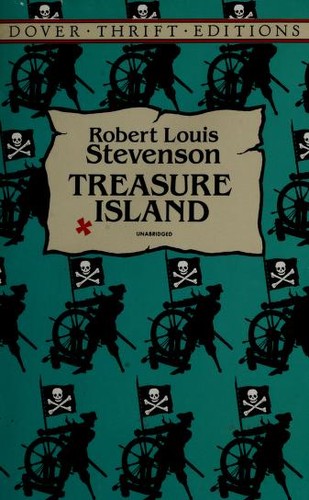
Treasure Island by Robert Louis Stevenson book cover

1. Treasure Island

Robert Louis Stevenson · 1883

A cabin boy, a treasure map, and the most influential pirate story ever written -- Long John Silver invented the pirate archetype (parrot, sea chest, moral ambiguity) every pirate story since has been copying.

What’s easy to forget, because the tropes got copied so thoroughly, is how tightly plotted this actually is – there’s barely a wasted chapter. If you’ve only encountered pirates through later, softer adaptations, the original is leaner and a little more dangerous than you’d expect.

Read it if: you want the original pirate adventure -- fast, plot-driven, and the reason treasure maps, 'X marks the spot,' and one-legged pirates with parrots are cultural shorthand at all

Skip it if: you want deep characterization or modern pacing -- this is a straightforward 19th-century boys' adventure novel, not a psychologically complex read
Full verdict: Treasure Island →

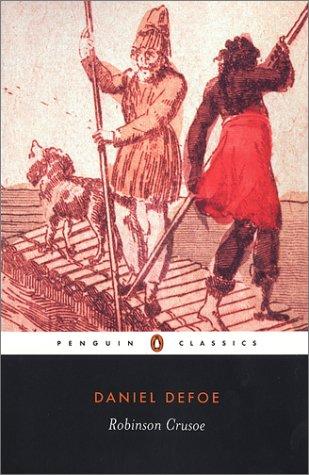
Robinson Crusoe by Daniel Defoe book cover

2. Robinson Crusoe

Daniel Defoe · 1719

The original stranded-on-an-island story -- 28 years alone, and the book that basically invented the realistic novel in English.

The survival details still work – rebuilding shelter, farming, keeping a calendar alone for years is genuinely gripping in a quiet way. What doesn’t work, and what you should go in expecting, is the second half’s treatment of Friday, which is a product of its era and needs to be read as one.

Skip it if you want a fast plot or a book that doesn’t require you to read critically at points. But as the actual origin of the castaway genre, and one of the first novels in English written like a believable first-person account, it’s a genuine landmark – just not an easy or uncomplicated one.

Read it if: you want to read the source of every castaway story since (Swiss Family Robinson, Cast Away, even parts of survival-game design) and you're willing to sit with slow, journal-style 18th-century prose

Skip it if: you want fast pacing or a modern sense of plot -- long stretches are inventory-taking and religious reflection, and the book's colonial-era attitudes toward Friday and non-European people have aged badly and need to be read with that context, not around it

Full verdict: Robinson Crusoe →

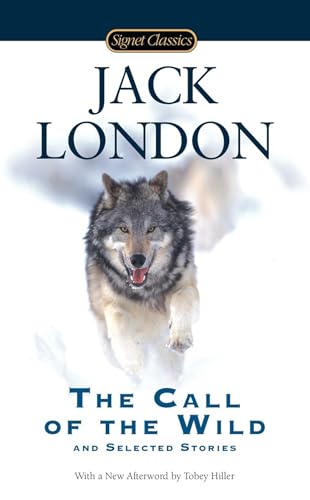
The Call of the Wild by Jack London book cover

3. The Call of the Wild

Jack London · 1903

A stolen family dog gets sold into the Yukon gold rush and slowly, brutally, remembers he's a wild animal.

This is the better starting point in London’s catalog over the longer White Fang, mostly because it doesn’t overstay its welcome. Buck’s transformation from house pet to wild animal happens across maybe 170 pages, and every chapter earns its place.

It’s not a comforting animal story. Dogs die, owners are cruel, and London treats all of it as simple fact rather than tragedy. That unsentimental streak is exactly what’s kept this in print for over a century.

Read it if: you want a short, brutal, beautifully written survival story about an animal shedding domestication one hardship at a time

Skip it if: you're looking for a gentle dog story -- this is closer to a survival novel with real violence in it than a Lassie-style pet tale

Full verdict: The Call of the Wild →

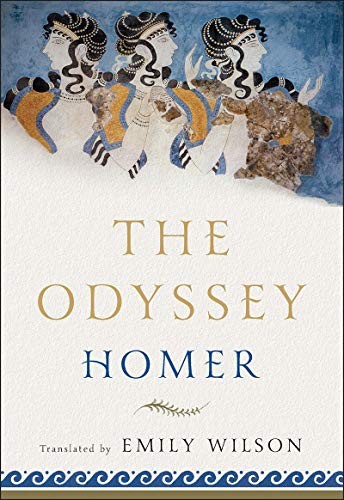
The Odyssey by Homer book cover

4. The Odyssey

Homer · -700

Twenty years, one monster-strewn commute home, and the template every hero's journey since has been quietly copying.

Most people who bounced off The Odyssey in school bounced off a translation, not the story. Wilson’s version reads like a story again: fast, plain, and propulsive, which is closer to what the poem actually was for its original audience than the ornate 19th-century English most of us grew up assigned. If you’ve never finished it, this is the edition to try before writing the whole poem off.

Read this before any modern “hero’s journey” story you’ve heard described as Homeric, most of the tropes trace straight back here: the monster gauntlet, the loyal-but-tested household, the disguised return.

Read it if: you want the foundational epic of Western storytelling in a translation that actually moves, not a museum piece you're obligated to admire

Skip it if: you want prose, this is verse, and you're not up for tracking a large cast of gods, suitors, and digressions along the way

Full verdict: The Odyssey →

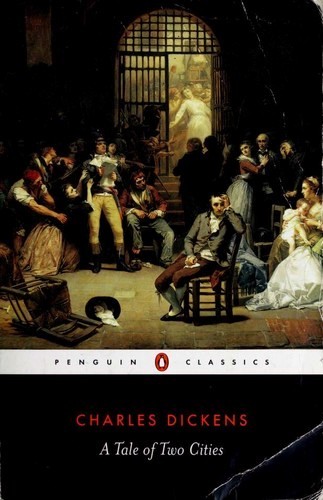
A Tale of Two Cities by Charles Dickens book cover

5. A Tale of Two Cities

Charles Dickens · 1859

The French Revolution as backdrop to a love triangle and one of the most famous self-sacrifices in fiction -- and yes, the opening line is doing a lot of work.

Everyone knows the opening line; fewer people remember how much narrative discipline Dickens shows getting from there to Carton’s closing one. This is Dickens without his usual sprawling cast of comic eccentrics, and the plot is tighter for it.

Carton’s sacrifice works because Dickens earns it – pages and pages of him wasting his own life first, so the final act actually costs him something instead of reading as a cheap twist.

Read it if: you want historical fiction with real stakes, a genuinely surprising redemption arc, and don't mind Dickens at his most plot-driven rather than his most comic

Skip it if: you came for Dickens's usual sprawling comic subplots and eccentric side characters -- this is his leanest, most focused novel, with almost none of that

Full verdict: A Tale of Two Cities →

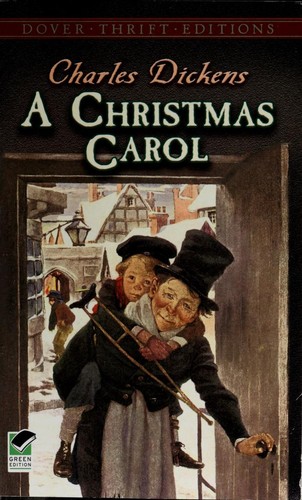
A Christmas Carol by Charles Dickens book cover

6. A Christmas Carol

Charles Dickens · 1843

A miserly old man gets one night, three ghosts, and a last chance to stop being the villain of his own life -- the novella that basically invented the modern Christmas redemption story.

The reason this outlasts almost every other Christmas story is that Dickens wasn’t just writing a ghost story – he was writing a direct argument against Victorian England’s casual cruelty to the poor, and he wrapped that argument in something entertaining enough to actually spread. It worked. Nearly two centuries later, “Scrooge” is still shorthand for miser, and that’s not an accident of marketing.

Read it if: you want the original, still-sharpest version of the Christmas redemption arc -- short enough to read in one sitting, funnier and darker than most adaptations let on

Skip it if: you've seen enough adaptations (the Muppets, Scrooged, a dozen TV specials) that you feel like you already know it beat for beat -- Dickens's actual prose is worth it, but don't expect big plot surprises

Full verdict: A Christmas Carol →

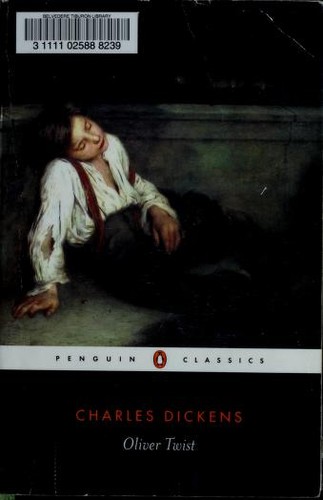
Oliver Twist by Charles Dickens book cover

7. Oliver Twist

Charles Dickens · 1838

An orphan asks for a second helping of gruel and gets sold into a criminal underworld run by a man who trains children to pick pockets for a living.

This is early, angrier Dickens, before he fully sanded down his plotting. The coincidences pile up by the end in ways his later novels handle more gracefully, and Fagin’s characterization has aged into a genuinely uncomfortable spot given its antisemitic caricature – worth knowing going in, not a reason to skip the book, but not something to wave away either.

What still lands is the fury at the workhouse system and at a society that treated child poverty as a character flaw. Read it for that anger, and for Nancy, who’s a more complicated, tragic character than the rest of the novel’s broader strokes would suggest.

Read it if: you want early Dickens at his most socially furious -- workhouses, child criminals, and a plot that never lets you forget how the Victorian poor law actually treated orphans

Skip it if: you want subtlety -- this is Dickens before he fully refined his craft, and the villains are cartoonish and the coincidences (long-lost relatives, convenient timing) are heavy-handed even by his standards

Full verdict: Oliver Twist →

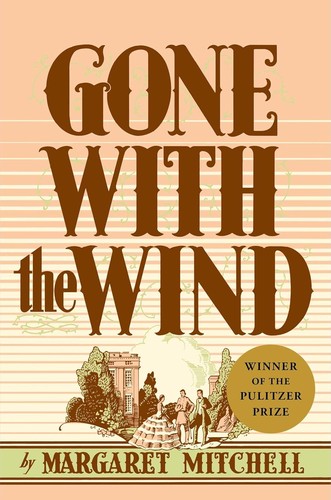
Gone with the Wind by Margaret Mitchell book cover

8. Gone with the Wind

Margaret Mitchell · 1936

A spoiled Georgia belle survives the Civil War and Reconstruction on sheer will, burning through fortunes, husbands, and her own better nature to keep her family's land.

The reason this has outsold nearly every other Civil War-era novel for almost a century isn’t subtle: Scarlett is a genuinely great, ruthless protagonist, and Mitchell never slows down long enough to let the plot sag. That’s the case for reading it.

The case against reading it uncritically is just as real – this is Lost Cause mythology dressed up as sweeping romance, and it shaped a lot of Americans’ (wrong) understanding of the antebellum South and Reconstruction for generations. Read it for the character and the pace. Don’t read it for the history.

Read it if: you want the sweeping, propulsive, morally messy Civil War epic that basically defined the historical romance genre, centered on one of fiction's most compelling, unlikeable protagonists

Skip it if: you want a book that treats slavery and the antebellum South honestly -- Mitchell's novel is deeply romanticized 'Lost Cause' mythology, and that framing hasn't aged well; go in aware of it rather than surprised by it

Full verdict: Gone with the Wind →

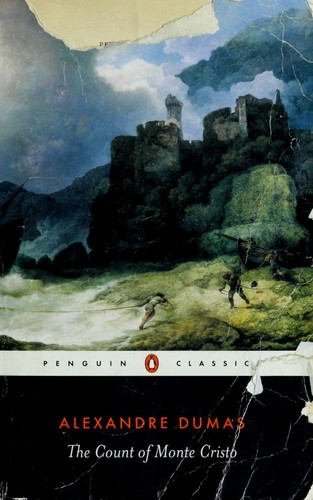
The Count of Monte Cristo by Alexandre Dumas book cover

9. The Count of Monte Cristo

Alexandre Dumas · 1844

A sailor is framed, buried alive in a fortress for fourteen years, and comes back rich, disguised, and patient enough to ruin every single person who put him there.

The escape from the Château d’If gets all the movie adaptations, but the real engine of the book is what comes after: fourteen years of patience compressed into a decade of precise, individually engineered revenge. Dumas never lets you forget that Dantès is settling actual debts against actual people, not just delivering satisfying comeuppance.

Read this over a modern revenge thriller when you want to see the genre’s actual founding text, one that takes both the planning and the moral cost seriously instead of rushing to the payoff.

Read it if: you want the original revenge thriller, one that takes patience and consequence seriously instead of just staging a satisfying comeuppance

Skip it if: you want something short, this is a genuine commitment (1,200+ pages depending on edition) with subplots that wander well past the prison-escape setup

Full verdict: The Count of Monte Cristo →

Frequently Asked Questions

What is the best adventure classic to start with?

Treasure Island. It's the shortest, the fastest-moving, and it basically invented the pirate archetype every story since has been copying. If you want survival over swashbuckling, start with Robinson Crusoe instead.

What's the best survival adventure on this list?

Robinson Crusoe. Twenty-eight years alone on an island, told with the kind of detail that makes it feel less like myth and more like a manual. It's the original stranded story, and it's genuinely the book that put the realistic novel on the map in English.

Is The Odyssey worth reading if I'm not into ancient literature?

Yes, and it's shorter and more propulsive than its reputation suggests. Twenty years, one monster-strewn commute home, and it's the template every hero's journey since has quietly been copying. Pick a modern translation and it reads faster than you'd expect.

Is Gone with the Wind worth reading today?

It's worth reading with your eyes open. The sheer-will survival story at its center is genuinely gripping, but it's also a product of its era, one that romanticizes the antebellum South in a way that hasn't aged well. Go in with that context, not blind.

What's the best Dickens novel for someone who's never read one?

A Christmas Carol. It's short, it moves fast, and it basically invented the modern redemption-story Christmas. Oliver Twist and A Tale of Two Cities are longer, denser Dickens, save those for once you know you like his style.

Keep Reading