Best Dystopian Books: 7 That Get More Relevant Each Year

Updated July 15, 2026 · 7 books

Best Dystopian Books: 7 That Get More Relevant Each Year: ranked list of 7 books

The best dystopia to start with is 1984, because it’s the one every other book on this list, and most political language since, is arguing with or borrowing from. Big Brother, thoughtcrime, doublethink — Orwell built the vocabulary the genre still runs on. It’s slower in the middle third than people expect (a long excerpt from a fictional political treatise), but it earns the reputation.

From there, sort by which mechanism of control you actually want to read about. Brave New World is control through manufactured pleasure rather than fear, arguably the more accurate prediction of how things went. The Handmaid’s Tale is control through theocratic law and forced reproduction, built from historical precedent rather than speculation. Animal Farm is the fastest read on the list, a full argument about revolutions curdling into tyranny in under 150 pages.

Lord of the Flies and One Flew Over the Cuckoo’s Nest widen the definition past nation-states: a stranded group of boys losing civilization within weeks, and a psychiatric ward where a nurse controls patients through humiliation instead of medicine. A Clockwork Orange closes the list as the hardest read, philosophically serious about free will but narrated by a genuinely repellent teenage voice in invented slang.

One warning: none of these end well, and none of them are supposed to. If you’re looking for a dystopia with a clean, hopeful resolution, this isn’t the genre — the discomfort is the point, not a flaw to push through.

Quick Comparison

#BookBest for
11984George Orwellyou want the foundational dystopia everything from Black Mirror to modern political rhetoric still borrows fromAmazon
2Brave New WorldAldous Huxleyyou want the dystopia that predicted control through pleasure and distraction, not just fear -- which is arguably the more accurate warning for how things actually turned outAmazon
3The Handmaid's TaleMargaret Atwoodyou want a dystopia built from things that have actually happened somewhere, to someone, rather than pure speculationAmazon
4Animal FarmGeorge Orwellyou want the fastest, sharpest political allegory ever written -- a full argument about how revolutions curdle into tyranny, delivered in barely 140 pagesAmazon
5Lord of the FliesWilliam Goldingyou want the sharpest, shortest argument that civilization is a thin, fragile agreement rather than something innate to human natureAmazon
6One Flew Over the Cuckoo's NestKen Keseyyou want the defining novel about institutional control and the cost of resisting it -- narrated, unforgettably, by a patient everyone assumes is too far gone to understand what's happeningAmazon
7A Clockwork OrangeAnthony Burgessyou want the most philosophically serious novel ever built around a genuinely repellent narrator -- a real argument about free will wrapped in one of fiction's most inventive made-up languagesAmazon

The Books

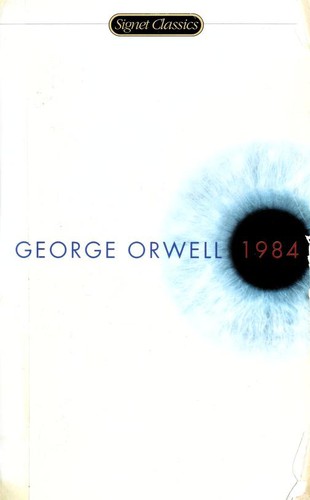
1984 by George Orwell book cover

1. 1984

George Orwell · 1949

The book that gave surveillance states, propaganda, and thought control their permanent vocabulary -- Big Brother, doublethink, thoughtcrime, Newspeak.

Orwell’s actual achievement isn’t the plot, which is fairly simple once you strip the political architecture away – it’s that he built a self-consistent totalitarian logic (doublethink, Newspeak, the mutability of the past) so complete that the vocabulary escaped the novel and became how we talk about real surveillance states.

The middle section, a long excerpt from a fictional book on the theory of the Party’s power structure, is where most readers stall out – it’s essay, not narrative. Push through it; the ending is worth it, and it’s the part of the book that explains why the Party wants belief, not just obedience.

Read it if: you want the foundational dystopia everything from Black Mirror to modern political rhetoric still borrows from

Skip it if: you want fast-paced plot -- the middle third is a long, dense excerpt from a fictional political treatise that tests patience even among fans
Full verdict: 1984 →

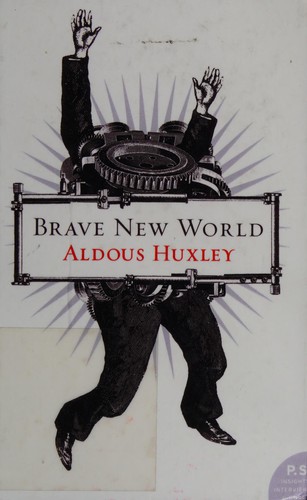
Brave New World by Aldous Huxley book cover

2. Brave New World

Aldous Huxley · 1932

A future where nobody needs to be oppressed into obedience because everyone's been engineered, drugged, and entertained into never wanting to rebel.

The genius of the premise is that nobody in the World State is lying to you – they really are happy, mostly. Huxley’s argument isn’t that the system is built on deception, it’s that contentment this total is itself the horror. That’s a harder, sadder point than “the government is bad,” and it’s why this one still lands.

Read it if: you want the dystopia that predicted control through pleasure and distraction, not just fear -- which is arguably the more accurate warning for how things actually turned out

Skip it if: you want a plot-driven thriller with a clear villain -- this is more idea-novel than page-turner, and the ending is deliberately unresolved rather than triumphant

Full verdict: Brave New World →

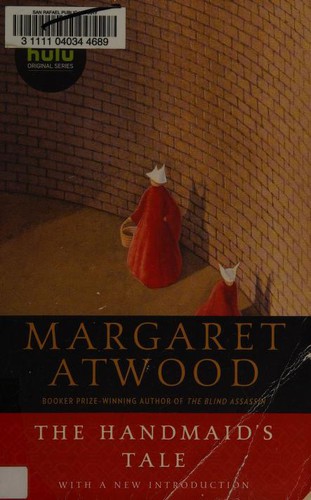
The Handmaid's Tale by Margaret Atwood book cover

3. The Handmaid's Tale

Margaret Atwood · 1985

A theocratic coup strips American women of every right in one stroke, and a fertile woman is conscripted into forced childbearing for the ruling class -- told in a voice too dryly observant to ever feel like propaganda.

The detail that makes this book more unsettling than most dystopias is that Atwood didn’t invent anything – she’s said every practice in Gilead has a real historical precedent. That’s a harder thing to shake off than pure invention, and it’s the reason the book keeps getting rediscovered by new readers who assume it must be more speculative than it is.

Read it if: you want a dystopia built from things that have actually happened somewhere, to someone, rather than pure speculation

Skip it if: you want a fast-plotted thriller with a clean resolution -- this is a slow, interior, fragmented narration, and the ending is deliberately ambiguous

Full verdict: The Handmaid's Tale →

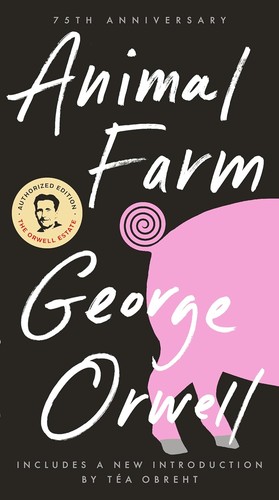
Animal Farm by George Orwell book cover

4. Animal Farm

George Orwell · 1945

Farm animals overthrow their farmer to build an equal society, and within a hundred pages the pigs running it are indistinguishable from the humans they replaced.

Orwell’s real trick here isn’t the Soviet allegory (though it’s precise enough to double as a history lesson if you know where to look). It’s the pacing of the betrayal – every single compromise is small enough that you understand why no pig or horse objects in the moment, and that’s what makes the ending land instead of feeling like a twist.

At under 150 pages, there’s no excuse not to have read this one. If you liked it, 1984 is the longer, colder version of the same argument.

Read it if: you want the fastest, sharpest political allegory ever written -- a full argument about how revolutions curdle into tyranny, delivered in barely 140 pages

Skip it if: you already know the Soviet allegory beat for beat and want deeper, more granulated political theory -- this is deliberately simple by design, not a substitute for a longer history

Full verdict: Animal Farm →

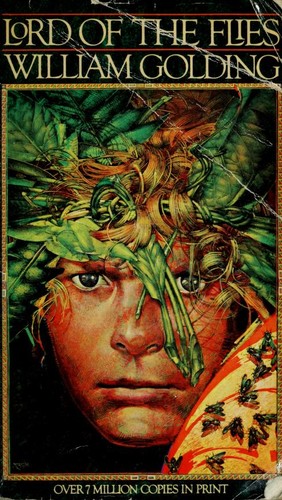
Lord of the Flies by William Golding book cover

5. Lord of the Flies

William Golding · 1954

A planeload of British schoolboys strands on a deserted island with no adults -- and within weeks, the veneer of civilization is gone and they're hunting each other.

What still lands is the ending’s tonal whiplash – the naval officer’s arrival, meant as rescue, instead exposes how small and childish the boys’ ‘war’ looks from outside, while quietly implying the adult world runs on the same impulses at a larger scale.

Read it if: you want the sharpest, shortest argument that civilization is a thin, fragile agreement rather than something innate to human nature

Skip it if: you want a hopeful survival story -- this is closer to a warning, and it doesn't let the boys, or by extension the reader, off easy

Full verdict: Lord of the Flies →

One Flew Over the Cuckoo's Nest by Ken Kesey book cover

6. One Flew Over the Cuckoo's Nest

Ken Kesey · 1962

A con man fakes insanity to dodge prison labor, lands in a psychiatric ward run by a nurse who controls patients through humiliation, not medicine, and starts a war he can't win.

The trick most readers don’t expect going in: this isn’t really McMurphy’s book. It’s Chief Bromden’s, and the choice to filter an institution-versus-individual story through a narrator everyone assumes is too far gone to understand it is what makes this land as literature and not just a well-told rebellion story.

The 1975 film is very good, but it strips out Bromden’s fog-machine hallucinations and the “Combine” entirely, which is most of what the novel is actually doing under the surface. Read the book even if you’ve seen the movie a dozen times.

Read it if: you want the defining novel about institutional control and the cost of resisting it -- narrated, unforgettably, by a patient everyone assumes is too far gone to understand what's happening

Skip it if: you're looking for a realistic clinical portrait of mental illness -- this is a symbolic, exaggerated indictment of institutions, not a documentary, and its treatment of mental illness and gender is very much a product of 1962

Full verdict: One Flew Over the Cuckoo's Nest →

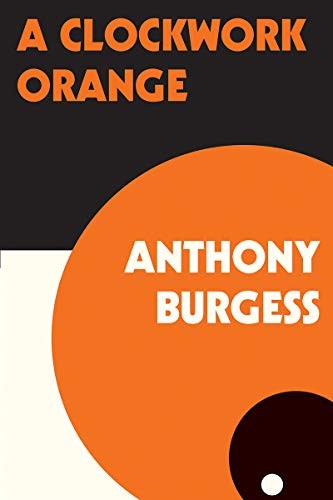
A Clockwork Orange by Anthony Burgess book cover

7. A Clockwork Orange

Anthony Burgess · 1962

A teenage gang leader narrates his own ultraviolence in an invented slang, then gets 'cured' of violence by the state, and the novel asks whether a good act means anything if you can't choose evil instead.

Nadsat is the reason this works as literature and not just shock value – Burgess forces you to actively decode Alex’s slang for the first chapter, which means you’re leaning in and building fluency in a violent teenager’s head whether you meant to or not. That’s a more effective trick than a straightforward English narration could pull off.

Note on sourcing: this page ships three quotes rather than the usual four-plus. Nadsat’s invented vocabulary makes exact wording harder to reconstruct with confidence from memory than standard English prose, so only lines with high verbatim confidence are included here.

Read it if: you want the most philosophically serious novel ever built around a genuinely repellent narrator -- a real argument about free will wrapped in one of fiction's most inventive made-up languages

Skip it if: you can't tolerate reading extended, casually narrated violence and sexual assault in a teenage narrator's voice, even in service of the book's larger argument -- that discomfort is by design, but it's real

Full verdict: A Clockwork Orange →

Frequently Asked Questions

What is the best dystopian book to start with?

1984. It's the one that gave the genre its permanent vocabulary — Big Brother, doublethink, thoughtcrime, Newspeak — and most political rhetoric today, whichever side is using it, is still quoting Orwell's terms whether it knows it or not.

1984 or Brave New World — which dystopia is closer to how things actually turned out?

Brave New World, according to most people who've read both. Orwell's fear was control through fear and surveillance. Huxley's fear was control through pleasure and distraction — nobody needs to be oppressed if they're too entertained to want anything else. Read 1984 first for the vocabulary, then Brave New World for the more uncomfortable diagnosis.

What's the best dystopian book about a specifically theocratic or religious takeover?

The Handmaid's Tale. Margaret Atwood built it from things that have actually happened somewhere to someone, rather than pure speculation, and the fertility-based caste system it depicts is the most singular premise on this list.

Is Animal Farm worth reading if I already know it's a Soviet allegory?

Yes, because knowing the allegory beat for beat doesn't dull how efficiently Orwell delivers it. Barely 140 pages, and the pigs are indistinguishable from the farmer they overthrew before the book is even two-thirds done.

Keep Reading