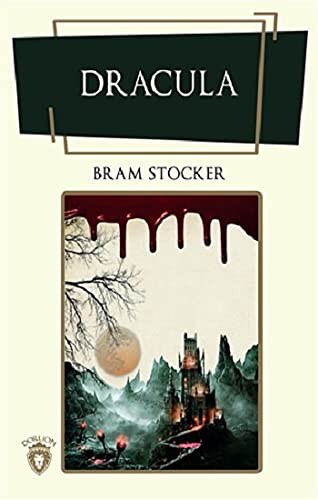
Dracula
by Bram Stoker · 1897
A Transylvanian count relocates to London to feed, and the novel that codified the modern vampire tells the whole story through letters, diaries, and newspaper clippings.
Worth reading? Dracula is the reason every vampire story since has to either use or consciously reject its rules -- garlic, crosses, no reflection, invitation required. It's stronger as atmosphere and dread than as a tightly plotted thriller; the epistolary structure is a genuine asset early on and a mild slog by the Lucy Westenra chapters. If you want vampires with more romance, skip to Anne Rice. If you want the source code, this is it.
| Author | Bram Stoker |
|---|---|
| Published | 1897 |
| Publisher | Penguin Classics |
| Category | Fiction |
| Favorite quote | “I am Dracula; and I bid you welcome, Mr. Harker, to my house.” |
The Verdict
The first quarter, with Jonathan Harker trapped in Dracula’s castle slowly realizing what his host actually is, is as good as gothic horror gets. The back half, with a small army chasing Dracula back across Europe, is more procedural and less scary – but by then the book has already done its job.
you want the vampire before pop culture sanded off his menace -- Stoker's Dracula is genuinely unsettling, not brooding-romantic
you want a fast modern thriller -- the epistolary format (diary entries, letters, telegrams) slows the pace and the middle section drags around Lucy's illness
Book Summary
Dracula preys specifically on Victorian anxieties -- foreign contamination, female sexuality unleashed, and the fear that modern science and reason can't fully explain or defeat an ancient evil. Stoker built horror out of what respectable London feared most about itself.
The novel's epistolary format (diaries, letters, phonograph recordings, newspaper clippings) makes the reader assemble the truth the same way the characters do, piece by piece, which is part of why the slow reveal of Dracula's nature still works.
Mina Harker is arguably the real hero -- she's smarter and more resourceful than most of the men around her, and the novel's ambivalence about her (protected object versus active investigator) mirrors its larger anxiety about women stepping outside Victorian roles.
Top 7 Lessons from Dracula
- Dracula's power depends on rules (no reflection, can't enter uninvited, weak to sunlight and religious symbols) that give the heroes a fighting chance.
- Modern tools -- typewriters, blood transfusions, telegrams -- are deployed against an ancient threat, framing the novel as tradition versus modernity.
- Lucy's transformation into a vampire is punished harshly by the narrative, reflecting Victorian anxiety about female desire.
- Mina Harker's intelligence and organizational skill hold the hunting party together more than any single man's bravery.
- Van Helsing functions as the bridge between science and superstition, insisting both are needed to fight Dracula.
- The novel builds dread through accumulation of documents rather than a single omniscient narrator, forcing the reader to piece together the threat alongside the characters.
- Dracula's foreignness (accent, castle, customs) is coded as the source of the threat, reflecting the era's anxiety about immigration and empire.
Top 5 Quotes from Dracula
"I am Dracula; and I bid you welcome, Mr. Harker, to my house."
Bram Stoker, Dracula
"Listen to them -- the children of the night. What music they make!"
Bram Stoker, Dracula
"We learn from failure, not from success!"
Bram Stoker, Dracula
"There are darknesses in life and there are lights, and you are one of the lights, the light of all lights."
Bram Stoker, Dracula
"The blood is the life!"
Bram Stoker, Dracula
Frequently Asked Questions
Is Dracula worth reading?
Yes, if you want the source of nearly every vampire rule pop culture still uses. It's more atmosphere and dread than fast plot, and the middle section slows down.
Is Dracula hard to read?
It's more accessible than most Victorian novels -- the epistolary format (diary entries, letters) keeps chapters short, though the format takes a little adjusting to.
What is the main theme of Dracula?
Ancient evil versus modern reason, with a strong undercurrent of Victorian anxiety about foreignness and female sexuality.
Who should read Dracula?
Horror and classic-literature readers who want the vampire myth's origin point, not readers looking for a Twilight-style romance.
Ready to read it?
Get Dracula on Amazon