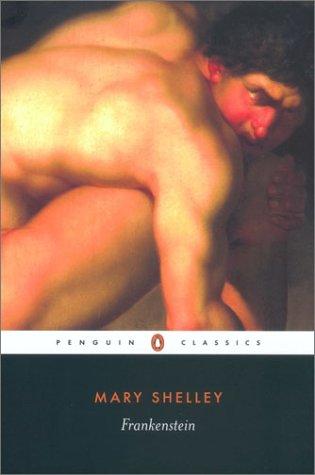
Frankenstein
by Mary Shelley · 1818
A scientist builds a man from dead flesh, immediately regrets it, and spends the rest of the book running from a monster he made and then abandoned.
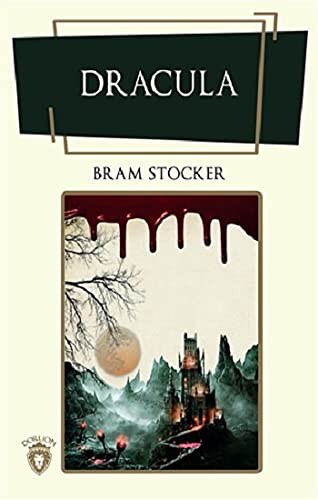
Worth reading? Frankenstein invented a whole genre and most adaptations still get it backwards -- the monster isn't the villain, Victor Frankenstein's cowardice is. Compare it to Dracula (also on this site) and Frankenstein is the more thoughtful book: less pure atmosphere, more moral argument about responsibility and abandonment. Read it for the creature's own chapters, which are the best writing in the book.
| Full Title | Frankenstein; or, The Modern Prometheus |
|---|---|
| Author | Mary Shelley |
| Published | 1818 |
| Publisher | Penguin Classics |
| Category | Fiction |
| Favorite quote | “I ought to be thy Adam, but I am rather the fallen angel.” |
The Verdict
The best chapters are the creature’s own, when Shelley hands him the narration and lets him explain, in his own articulate voice, how rejection turned him monstrous. Victor spends the whole book running from the consequences of his own choices, which makes him one of literature’s most frustrating protagonists – in a good way.
you want the actual origin of science fiction, and a genuinely tragic monster who's more sympathetic than his creator
you're expecting the lumbering, grunting movie monster -- Shelley's creature is articulate, well-read, and the book's moral center, which surprises people expecting a horror creature-feature
Book Summary
Victor Frankenstein's real sin isn't creating life, it's abandoning what he created the moment it repulsed him. The novel is less about the danger of playing God and more about the danger of walking away from your responsibilities once they become inconvenient.
The creature isn't born evil. He learns language, reads Milton and Plutarch, and wants companionship -- he turns violent only after repeated rejection by every human he approaches, including his own creator. Shelley is arguing that monsters are made by neglect, not born.
The novel's nested frame (Walton's letters, Victor's account, the creature's own testimony) forces the reader to weigh three unreliable narrators against each other, which is part of why sympathy keeps shifting away from Victor as the book goes on.
Top 8 Lessons from Frankenstein
- Creating something and taking responsibility for it are two different acts -- Victor only manages the first.
- The creature becomes violent only after sustained rejection, not from any innate evil.
- Ambition without foresight (Victor never considers what happens after the creature wakes) causes most of the novel's damage.
- Isolation radicalizes the creature the same way it radicalizes Victor -- both retreat from society into obsession.
- The novel frames scientific overreach as a moral failure of care, not just a technical one.
- Walton's own Arctic ambition mirrors Victor's -- the novel warns him (and the reader) before it's too late for him.
- Beauty and ugliness determine how other characters treat the creature long before his actions do.
- Revenge becomes a substitute relationship for the creature once companionship is permanently denied him.
Top 6 Quotes from Frankenstein
"Beware; for I am fearless, and therefore powerful."
Mary Shelley, Frankenstein
"I ought to be thy Adam, but I am rather the fallen angel."
Mary Shelley, Frankenstein
"Nothing is so painful to the human mind as a great and sudden change."
Mary Shelley, Frankenstein
"Life, although it may only be an accumulation of anguish, is dear to me, and I will defend it."
Mary Shelley, Frankenstein
"I was benevolent and good; misery made me a fiend."
Mary Shelley, Frankenstein
"If I cannot inspire love, I will cause fear."
Mary Shelley, Frankenstein
Frequently Asked Questions
Is Frankenstein worth reading?
Yes -- it's the founding text of science fiction and a genuinely moving tragedy about abandonment, not the mute monster movie its reputation suggests.
Is the monster in Frankenstein actually evil?
No. He's articulate and initially gentle; he turns to violence only after Victor and every other human he meets rejects him on sight.
Is Frankenstein hard to read?
It's more approachable than most 19th-century novels -- shorter, with a propulsive plot, though the frame-narrative structure (letters within a confession within a testimony) takes a chapter to get used to.
What is the main theme of Frankenstein?
The danger of abandoning responsibility for what you create, and how neglect and rejection -- not innate nature -- turn the creature toward violence.
Ready to read it?
Get Frankenstein on Amazon