Lindy List: 10 Classic Novels That Never Stopped Selling

Updated July 24, 2026 · 10 books

Lindy List: 10 Classic Novels That Never Stopped Selling: ranked list of 10 books

Skip the “canon” guilt trip. This is ten novels that kept selling because readers, not professors, kept choosing them. The youngest is under 100 years old; the oldest is over 400.

Start with The Great Gatsby. It’s short, it’s blunt about money and self-invention, and it doesn’t ask you to fight 19th-century sentence structure to get the point. From there, branch by what you actually want: dystopia (1984, Brave New World), moral weight (Crime and Punishment, War and Peace), romance that isn’t saccharine (Pride and Prejudice), or a world you can live in for 1,000 pages (The Lord of the Rings).

The genre warning: “classic” doesn’t mean “enjoyable” by default. Some of these are genuinely funny (Don Quixote) and some are a real commitment (Moby-Dick, War and Peace). Read the hook and the “skip it if” on each page before you buy, not just the reputation.

Quick Comparison

#BookBest for
1The Great GatsbyF. Scott Fitzgeraldyou want the sharpest, shortest classic on the gap between reinvention and reality -- 180 pages that still landAmazon
21984George Orwellyou want the foundational dystopia everything from Black Mirror to modern political rhetoric still borrows fromAmazon
3To Kill a MockingbirdHarper Leeyou want the single most durable American novel about moral courage and racial injustice, told through a child's eyes so it never lectures youAmazon
4Pride and PrejudiceJane Austenyou want sharp, funny, socially observant fiction about money, marriage, and getting your first impression of someone completely wrongAmazon
5Crime and PunishmentFyodor Dostoevskyyou want the foundational psychological novel, the one that basically invented the modern crime-and-guilt narrative before Freud had a name for any of itAmazon
6Moby-DickHerman Melvilleyou want the great American novel about obsession, and you're willing to sit through digressions on cetology to earn the endingAmazon
7War and PeaceLeo Tolstoyyou want the single biggest, most ambitious novel in the Western canon, and you're willing to track a large cast through war, marriage, and a genuine philosophical argument about how history worksAmazon
8Brave New WorldAldous Huxleyyou want the dystopia that predicted control through pleasure and distraction, not just fear -- which is arguably the more accurate warning for how things actually turned outAmazon
9The Lord of the RingsJ.R.R. Tolkienyou want the foundational modern fantasy epic, built with enough invented history, language, and geography that the world feels older than the plotAmazon
10Don QuixoteMiguel de Cervantesyou want the book that basically invented the modern novel, and you're fine with something that's part comedy, part tragedy, and genuinely longAmazon

The Books

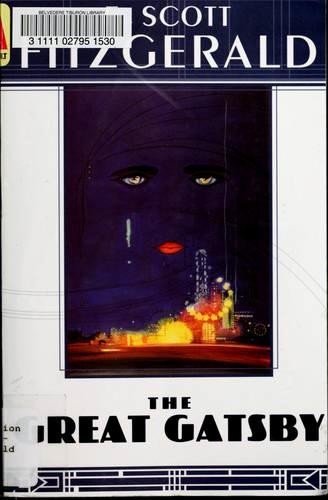
The Great Gatsby by F. Scott Fitzgerald book cover

1. The Great Gatsby

F. Scott Fitzgerald · 1925

A small-town nobody reinvents himself as a mysterious millionaire to win back the woman who married someone else -- and the American Dream turns out to be a very expensive lie.

What holds up is the control – every party, every glance across the bay, is doing double duty as plot and symbol, and Fitzgerald never once slows down to explain the trick. Read it once for the romance, once for the class critique; it survives both readings.

Read it if: you want the sharpest, shortest classic on the gap between reinvention and reality -- 180 pages that still land

Skip it if: you want a straightforward romance -- this is a tragedy about longing and status dressed up as a love story, and everyone involved is more compromised than they look
Full verdict: The Great Gatsby →

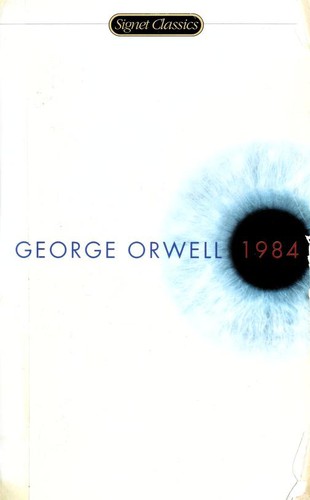
1984 by George Orwell book cover

2. 1984

George Orwell · 1949

The book that gave surveillance states, propaganda, and thought control their permanent vocabulary -- Big Brother, doublethink, thoughtcrime, Newspeak.

Orwell’s actual achievement isn’t the plot, which is fairly simple once you strip the political architecture away – it’s that he built a self-consistent totalitarian logic (doublethink, Newspeak, the mutability of the past) so complete that the vocabulary escaped the novel and became how we talk about real surveillance states.

The middle section, a long excerpt from a fictional book on the theory of the Party’s power structure, is where most readers stall out – it’s essay, not narrative. Push through it; the ending is worth it, and it’s the part of the book that explains why the Party wants belief, not just obedience.

Read it if: you want the foundational dystopia everything from Black Mirror to modern political rhetoric still borrows from

Skip it if: you want fast-paced plot -- the middle third is a long, dense excerpt from a fictional political treatise that tests patience even among fans

Full verdict: 1984 →

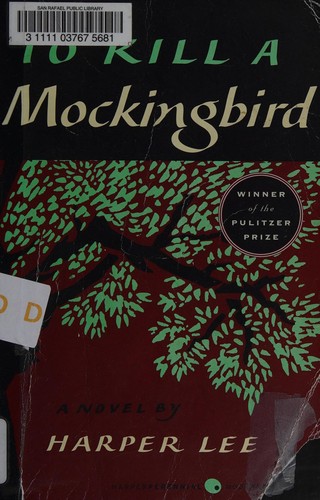
To Kill a Mockingbird by Harper Lee book cover

3. To Kill a Mockingbird

Harper Lee · 1960

A young girl in Depression-era Alabama watches her father defend a Black man falsely accused of rape -- and learns exactly how much decency costs in a town that doesn't want it.

Lee wrote only this one novel for over 50 years (Go Set a Watchman was an earlier draft, published later under murky circumstances), which makes Mockingbird’s staying power even more remarkable – it’s not propped up by a body of work, just this single book doing all the work itself. If you only read one novel about the Jim Crow South, this is still the correct default, six decades in.

Read it if: you want the single most durable American novel about moral courage and racial injustice, told through a child's eyes so it never lectures you

Skip it if: you want fast plot or moral ambiguity -- Atticus Finch is basically a fixed point of goodness, and the book moves at a slow, small-town pace for its first half

Full verdict: To Kill a Mockingbird →

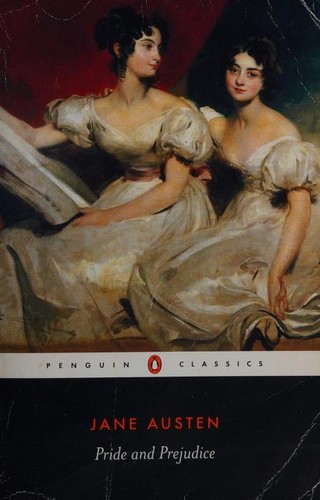
Pride and Prejudice by Jane Austen book cover

4. Pride and Prejudice

Jane Austen · 1813

The original enemies-to-lovers novel, and still the one every romance-comedy plot is quietly ripping off.

Everyone remembers the romance and forgets how funny this book is. Austen’s narration is dry and merciless about nearly every character except Elizabeth and Jane, and even they don’t get a total pass.

The reason this beats most “classic romance” recommendations is that Elizabeth is allowed to be wrong. She’s clever, she’s likable, and she still completely misreads Darcy and Wickham for most of the book. That’s a harder trick to pull off than a simple obstacle-then-happy-ending plot, and it’s why the book has outlasted two centuries of imitators.

Read it if: you want sharp, funny, socially observant fiction about money, marriage, and getting your first impression of someone completely wrong

Skip it if: you need constant plot momentum -- this is a novel of conversation and manners, not action, and the pace is closer to a slow-burn sitcom than a page-turner

Full verdict: Pride and Prejudice →

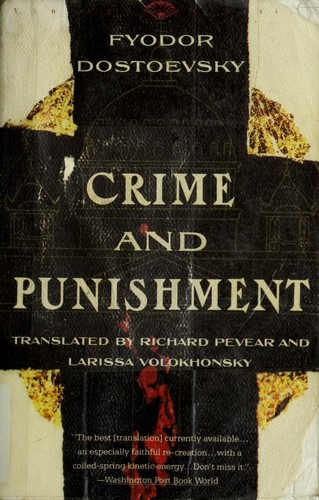
Crime and Punishment by Fyodor Dostoevsky book cover

5. Crime and Punishment

Fyodor Dostoevsky · 1866

A broke ex-student in St. Petersburg murders a pawnbroker to prove he's exempt from ordinary morality -- then spends 500 pages finding out he isn't.

What holds up best isn’t the murder plot – it’s Porfiry Petrovich, the detective who never needs to catch Raskolnikov in a lie because he understands his psychology better than Raskolnikov understands himself. That cat-and-mouse dynamic, built entirely on conversation rather than evidence, is the template a lot of modern psychological thrillers are still copying without crediting the source.

Read it if: you want the foundational psychological novel, the one that basically invented the modern crime-and-guilt narrative before Freud had a name for any of it

Skip it if: you're not ready for a genuine commitment -- this is a long, dense 19th-century Russian novel with a wall of patronymic names (Rodion Romanovich, Sofya Semyonovna) and a slow, interior first third; it rewards patience more than it grabs you

Full verdict: Crime and Punishment →

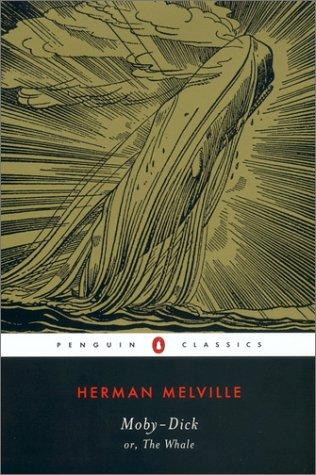
Moby-Dick by Herman Melville book cover

6. Moby-Dick

Herman Melville · 1851

A one-legged captain drags a whaling crew to the ends of the earth to settle a grudge with a fish, and somehow it's also a complete encyclopedia of 19th-century whaling.

The whale itself barely appears until the final chapters, and that’s the point – this is a book about the story Ahab builds around an animal, not the animal. Skip the cetology chapters if you must, but don’t skip Ahab’s monologues; they’re the reason this book outlasted every faster whaling adventure written alongside it.

Read it if: you want the great American novel about obsession, and you're willing to sit through digressions on cetology to earn the ending

Skip it if: you want a tight, fast-moving sea adventure -- entire chapters stop the plot cold to classify whale anatomy, and that's a dealbreaker for some readers

Full verdict: Moby-Dick →

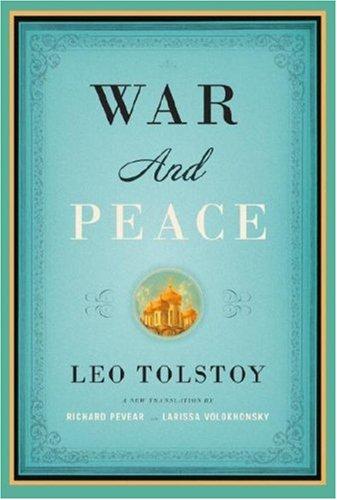
War and Peace by Leo Tolstoy book cover

7. War and Peace

Leo Tolstoy · 1869

Napoleon invades Russia, five aristocratic families live through it, and Tolstoy uses all 1,200 pages to argue that history isn't actually driven by great men.

The war sections get the reputation, but the domestic scenes – Natasha’s first ball, Pierre’s aimless wandering through Moscow society – are just as essential to what Tolstoy’s doing. He’s arguing that ordinary life carries the same historical weight as battles, and the structure of the book only works if you buy into both halves.

Go in for Pierre, Andrei, and Natasha, and let the historical-essay chapters slow you down on purpose. This isn’t a book to rush – it rewards the reader willing to sit in it for weeks, not days.

Read it if: you want the single biggest, most ambitious novel in the Western canon, and you're willing to track a large cast through war, marriage, and a genuine philosophical argument about how history works

Skip it if: you want a tight, plot-driven war novel -- Tolstoy periodically stops the story entirely for essay-length arguments about historical causation, and the unabridged text does not skip these

Full verdict: War and Peace →

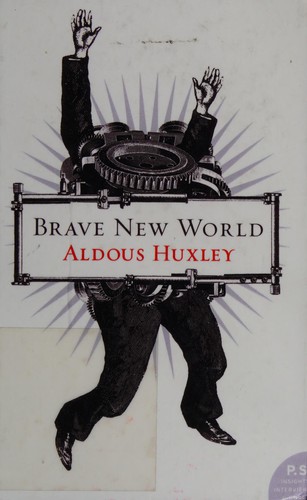
Brave New World by Aldous Huxley book cover

8. Brave New World

Aldous Huxley · 1932

A future where nobody needs to be oppressed into obedience because everyone's been engineered, drugged, and entertained into never wanting to rebel.

The genius of the premise is that nobody in the World State is lying to you – they really are happy, mostly. Huxley’s argument isn’t that the system is built on deception, it’s that contentment this total is itself the horror. That’s a harder, sadder point than “the government is bad,” and it’s why this one still lands.

Read it if: you want the dystopia that predicted control through pleasure and distraction, not just fear -- which is arguably the more accurate warning for how things actually turned out

Skip it if: you want a plot-driven thriller with a clear villain -- this is more idea-novel than page-turner, and the ending is deliberately unresolved rather than triumphant

Full verdict: Brave New World →

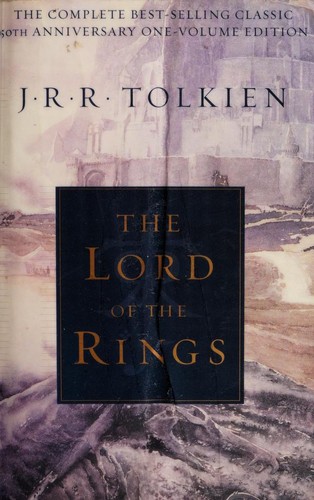
The Lord of the Rings by J.R.R. Tolkien book cover

9. The Lord of the Rings

J.R.R. Tolkien · 1954

A hobbit with no interest in adventure has to walk a cursed ring into the one volcano that can destroy it -- and the whole genre of modern fantasy is downstream of how Tolkien built the world around him.

What holds up best decades later isn’t the battles, it’s the ache underneath the ending – the sense that saving the world and getting to keep living in it peacefully are two different, not always compatible, things.

Read it if: you want the foundational modern fantasy epic, built with enough invented history, language, and geography that the world feels older than the plot

Skip it if: you want a fast read -- this is dense, slow in stretches (especially early in Fellowship), and rewards patience with world-building more than plot momentum

Full verdict: The Lord of the Rings →

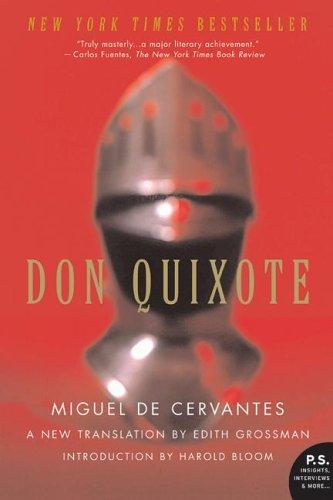
Don Quixote by Miguel de Cervantes book cover

10. Don Quixote

Miguel de Cervantes · 1605

A delusional old man convinces his neighbor to become his squire and go fight windmills he's certain are giants, and four hundred years later it's still the funniest, saddest book about believing your own story.

The windmill scene gets all the cultural shorthand, but the real reason this book has lasted four hundred years is Part Two, where Cervantes lets other characters read Part One and use it against Quixote. That move, a novel’s characters reacting to their own fictional fame, was genuinely radical, and it’s still funnier and stranger than most metafiction written since.

Read this over any modern picaresque or road novel when you want the original, the book that both invented and immediately started interrogating its own genre.

Read it if: you want the book that basically invented the modern novel, and you're fine with something that's part comedy, part tragedy, and genuinely long

Skip it if: you want tight, modern pacing, this is an episodic picaresque written across two parts a decade apart, and it wanders on purpose

Full verdict: Don Quixote →

Frequently Asked Questions

What's the best classic novel to start with?

The Great Gatsby (1925). Under 200 pages, no dated language to fight through, and it still nails what money does to people. It's the easiest entry point into 'serious' fiction that actually rewards the effort.

Is Don Quixote actually readable, or just famous?

Readable, and often funnier than books written last year. Cervantes invented the modern novel in 1605 by making fun of the fantasy tropes of his own time, which is a joke that still lands 400 years later.

Why both 1984 and Brave New World?

Because they predicted opposite futures and both turned out partly right. Orwell warned about control through pain and surveillance; Huxley warned about control through comfort and distraction. Read them together and you've covered the two ways a society loses its freedom.

Is War and Peace worth the length?

If you want one 19th-century Russian novel, yes, but start with Crime and Punishment instead. It's a third the length, hits just as hard, and you can tell in 50 pages whether Tolstoy and Dostoevsky are for you before committing to 1,200.

Why is The Lord of the Rings on a Lindy list next to Jane Austen?

Same reason: it created a genre and every imitator since has been working in its shadow. 70+ years on, high fantasy is still measured against it.

Keep Reading