Best Gothic Horror Classics: 6 That Still Unsettle

Updated July 15, 2026 · 6 books

Best Gothic Horror Classics: 6 That Still Unsettle: ranked list of 6 books

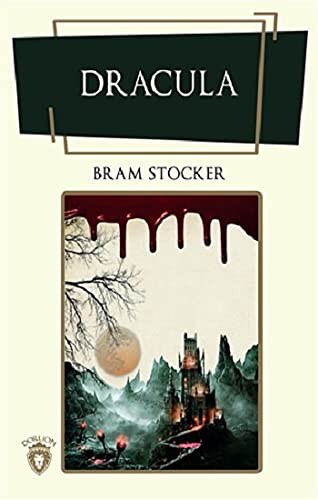
The best gothic horror classic to start with is Dracula, because it’s the purest version of the genre’s original promise: a menace that’s genuinely unsettling, not the brooding-romantic vampire pop culture eventually sanded him into. The epistolary structure, letters and diaries and newspaper clippings assembled into evidence, slows the pace but makes the dread feel documented rather than performed.

Frankenstein and The Picture of Dorian Gray are the two classics people misremember most. Shelley’s creature is articulate and sympathetic, not a grunting movie monster, and Wilde’s novel is as much a collection of the era’s best epigrams as it is a morality tale about a face with no consequences. Rebecca and Heart of Darkness carry the tradition forward into the 20th century — a new bride haunted by her husband’s dead first wife, and a steamboat captain traveling toward a man who’s declared himself a god over the people he’s exploiting.

These six have survived a century or more of readers each, which is the Lindy case for reading them over whatever gothic-flavored thriller is trending this month. Books that stay in print and in demand for decades have already passed a filter most new fiction hasn’t been tested against.

One necessary flag: Lolita is the outlier here, and we’re not going to pretend otherwise. It’s unsettling for entirely different, morally difficult reasons than the rest of this list — a beautifully written first-person account of a man’s abuse of a 12-year-old girl, where the whole design of the prose is to seduce you into distrusting it. Read it as an indictment of its narrator, not a romance, or skip it entirely. That discomfort isn’t a bug in the book, and it’s not ours to smooth over.

Quick Comparison

#BookBest for
1DraculaBram Stokeryou want the vampire before pop culture sanded off his menace -- Stoker's Dracula is genuinely unsettling, not brooding-romanticAmazon
2FrankensteinMary Shelleyyou want the actual origin of science fiction, and a genuinely tragic monster who's more sympathetic than his creatorAmazon
3The Picture of Dorian GrayOscar Wildeyou want a Gothic morality tale with the best epigrams in Victorian literature -- Wilde's wit is on every page, not just in the plotAmazon
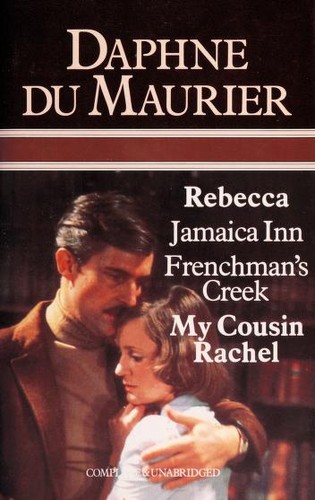
4RebeccaDaphne du Maurieryou want the gothic romantic thriller that basically invented the 'new wife haunted by the old wife' genre, with one of fiction's great unreliable, ominous housekeepersAmazon
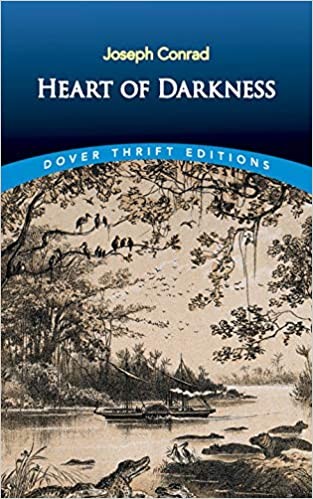
5Heart of DarknessJoseph Conradyou want the dense, still-controversial novella that shaped a century of colonialism critique and inspired Apocalypse Now, and you don't mind prose that's more atmosphere than plotAmazon
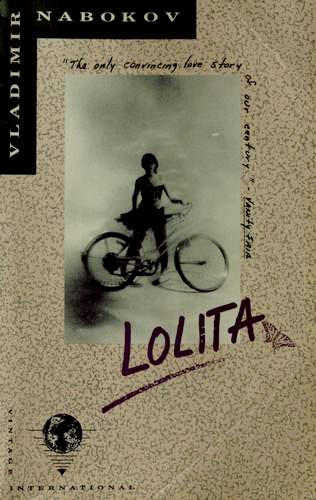
6LolitaVladimir Nabokovyou want to see how an unreliable narrator's voice can be gorgeous and monstrous at the same time, and you're prepared to read it as an indictment of Humbert, not a romanceAmazon

The Books

Dracula by Bram Stoker book cover

1. Dracula

Bram Stoker · 1897

A Transylvanian count relocates to London to feed, and the novel that codified the modern vampire tells the whole story through letters, diaries, and newspaper clippings.

The first quarter, with Jonathan Harker trapped in Dracula’s castle slowly realizing what his host actually is, is as good as gothic horror gets. The back half, with a small army chasing Dracula back across Europe, is more procedural and less scary – but by then the book has already done its job.

Read it if: you want the vampire before pop culture sanded off his menace -- Stoker's Dracula is genuinely unsettling, not brooding-romantic

Skip it if: you want a fast modern thriller -- the epistolary format (diary entries, letters, telegrams) slows the pace and the middle section drags around Lucy's illness
Full verdict: Dracula →

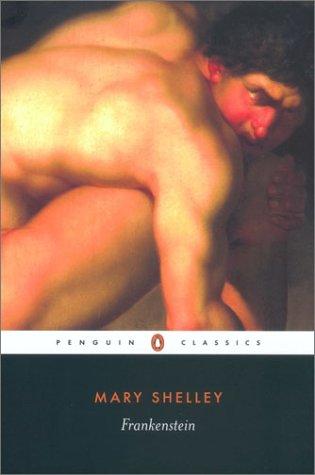
Frankenstein by Mary Shelley book cover

2. Frankenstein

Mary Shelley · 1818

A scientist builds a man from dead flesh, immediately regrets it, and spends the rest of the book running from a monster he made and then abandoned.

The best chapters are the creature’s own, when Shelley hands him the narration and lets him explain, in his own articulate voice, how rejection turned him monstrous. Victor spends the whole book running from the consequences of his own choices, which makes him one of literature’s most frustrating protagonists – in a good way.

Read it if: you want the actual origin of science fiction, and a genuinely tragic monster who's more sympathetic than his creator

Skip it if: you're expecting the lumbering, grunting movie monster -- Shelley's creature is articulate, well-read, and the book's moral center, which surprises people expecting a horror creature-feature

Full verdict: Frankenstein →

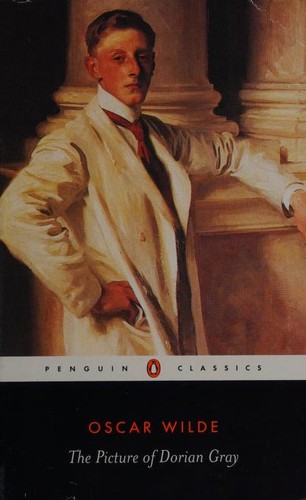
The Picture of Dorian Gray by Oscar Wilde book cover

3. The Picture of Dorian Gray

Oscar Wilde · 1890

A beautiful young man wishes his portrait would age instead of him, gets his wish, and spends the rest of the book finding out what a face with no consequences does to a soul.

Lord Henry Wotton says almost nothing that isn’t quotable, and that’s both the book’s greatest asset and the reason Dorian’s actual moral collapse can feel secondary to the conversation happening around it. Wilde was a playwright first – this reads like his best dialogue wrapped around a horror premise.

Read it if: you want a Gothic morality tale with the best epigrams in Victorian literature -- Wilde's wit is on every page, not just in the plot

Skip it if: you want fast-moving plot -- large stretches are essay-like digressions on aestheticism and hedonism delivered through Lord Henry's monologues

Full verdict: The Picture of Dorian Gray →

Rebecca by Daphne du Maurier book cover

4. Rebecca

Daphne du Maurier · 1938

A shy new bride moves into her husband's estate and finds she's living in the shadow of his dead first wife, whose presence still runs the house.

Mrs. Danvers never lays a hand on anyone and still manages to be one of the most menacing characters in 20th-century fiction, purely through devotion turned obsessive. Du Maurier makes you wait for the real story about Rebecca, and when it arrives it’s genuinely a gut-punch that changes how you read everything before it.

Read it if: you want the gothic romantic thriller that basically invented the 'new wife haunted by the old wife' genre, with one of fiction's great unreliable, ominous housekeepers

Skip it if: you want a straightforward romance -- this is a slow-building psychological thriller, and the narrator's own passivity can be frustrating for a while before it pays off

Full verdict: Rebecca →

Heart of Darkness by Joseph Conrad book cover

5. Heart of Darkness

Joseph Conrad · 1899

A steamboat captain travels up the Congo River to retrieve a man who's declared himself a god to the people he's exploiting -- the short novel that gave English literature 'The horror! The horror!'

What makes this one worth the slow read, despite its short length, is how much Conrad packs into deliberately unreliable narration – Marlow keeps telling you he can’t fully explain what he saw, and that failure to explain is the point. Approach it as a psychological horror story about power, not an adventure novel, and it lands the way it’s supposed to.

Read it if: you want the dense, still-controversial novella that shaped a century of colonialism critique and inspired Apocalypse Now, and you don't mind prose that's more atmosphere than plot

Skip it if: you want a fast or straightforward read, or you're specifically looking for a nuanced portrayal of colonized people -- Conrad's depiction of Africans has been criticized, most famously by Chinua Achebe, as dehumanizing even while indicting colonialism itself

Full verdict: Heart of Darkness →

Lolita by Vladimir Nabokov book cover

6. Lolita

Vladimir Nabokov · 1955

A literature professor's beautiful, hypnotic prose narrates his own abuse of a 12-year-old girl -- and the whole point is that you're not supposed to trust a word of it.

What actually holds the book together is the distance Nabokov keeps forcing between Humbert’s version of events and the real facts leaking through the cracks – a hotel register, a school report, a look on Dolores’s face he can’t quite narrate away. That gap is the novel.

Read it if: you want to see how an unreliable narrator's voice can be gorgeous and monstrous at the same time, and you're prepared to read it as an indictment of Humbert, not a romance

Skip it if: you want any ambiguity about the subject matter softened -- Nabokov doesn't soften it, and readers looking for comfort should skip this one entirely

Full verdict: Lolita →

Frequently Asked Questions

What is the best gothic horror classic to start with?

Dracula. It's the novel that codified the modern vampire before pop culture sanded off his menace, told entirely through letters, diaries, and newspaper clippings — which makes the horror feel like assembled evidence rather than a story someone's telling you.

Is Frankenstein's monster actually a mindless movie monster?

No, and this trips people up constantly. Mary Shelley's creature is articulate, well-read, and arguably the book's moral center — more sympathetic than the scientist who made and then abandoned him. The lumbering, grunting version is a Hollywood invention, not Shelley's.

Why is Lolita on a gothic horror list?

Because it belongs here more than a genre label would suggest, and we're not going to soften what it actually is. Nabokov's prose is gorgeous and the narrator is a child abuser — the whole design of the book is that you're not supposed to trust a word of his beautiful voice. It's the outlier on this list, unsettling for entirely different, morally difficult reasons than the others.

What does 'Lindy' mean for a horror book?

The Lindy filter says a book that's stayed in demand for a century-plus is stronger evidence of quality than a current bestseller. Every book on this list has cleared that bar — Frankenstein at over 200 years, Dracula and Heart of Darkness past 125, and even Lolita, published in 1955, has held its unsettling grip for 70 years without fading.

Keep Reading